Thomson's Bindweed
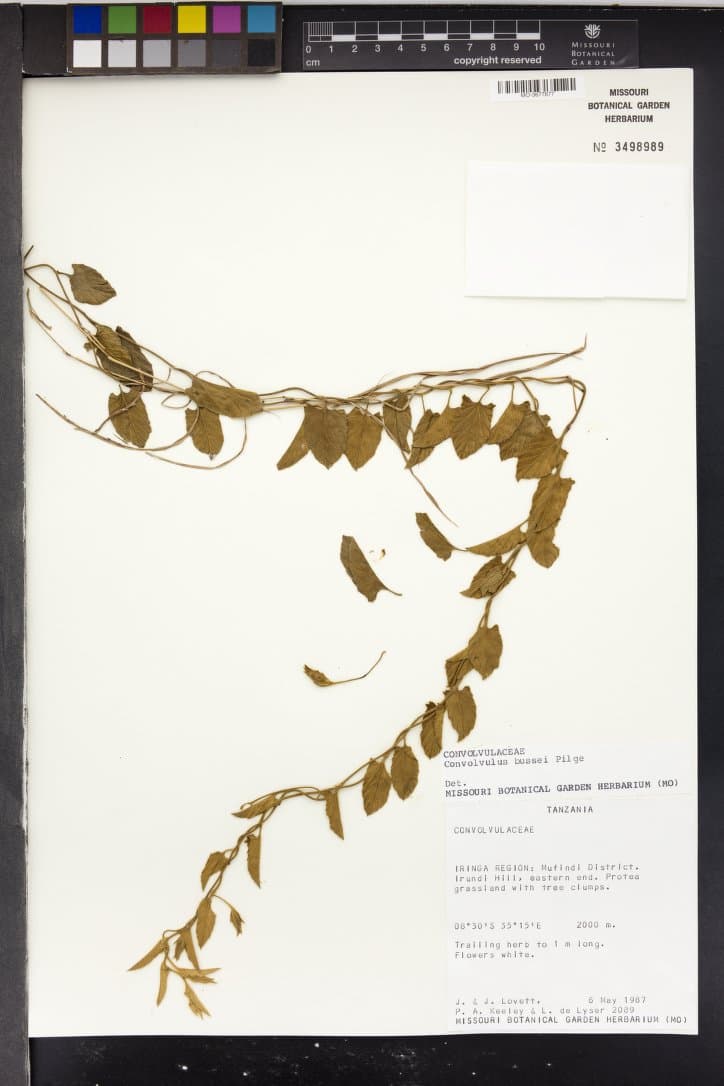
Image: MBG (cc-by-nc)
NameThomson's Bindweed
Scientific NameConvolvulus thomsonii
Common NamesThomson's Bindweed, Thomson's Convolvulus
Plant FamilyConvolvulaceae
Natural HabitatThis species is generally found in grasslands, open woodlands, and disturbed areas across parts of tropical Africa, including countries like Ethiopia, Kenya, and Tanzania, often at higher altitudes.
Parts Usedleaf,root
Medicinal Actionsanti-inflammatory, antimicrobial
Traditional UsesWhile specific traditional uses for Convolvulus thomsonii are not extensively documented, other species within the Convolvulus genus are traditionally used as strong purgatives and laxatives. Some have also been applied externally for skin conditions or wounds, suggesting potential anti-inflammatory or antimicrobial properties.
Active Constituentsresin glycosides, alkaloids
Preparation Methodsinfusion, decoction, poultice
Contraindications & WarningsDue to the presence of potent resin glycosides common in the genus, Convolvulus species can have strong purgative effects. They are generally contraindicated in pregnancy, breastfeeding, intestinal obstruction, and inflammatory bowel conditions, and can cause severe gastrointestinal upset.
Cultivation NotesConvolvulus thomsonii, like many bindweeds, is generally hardy and can be vigorous growers. It prefers full sun and well-drained soil, often thriving in disturbed areas. It can be considered invasive in some contexts.
Raritycommon
Description
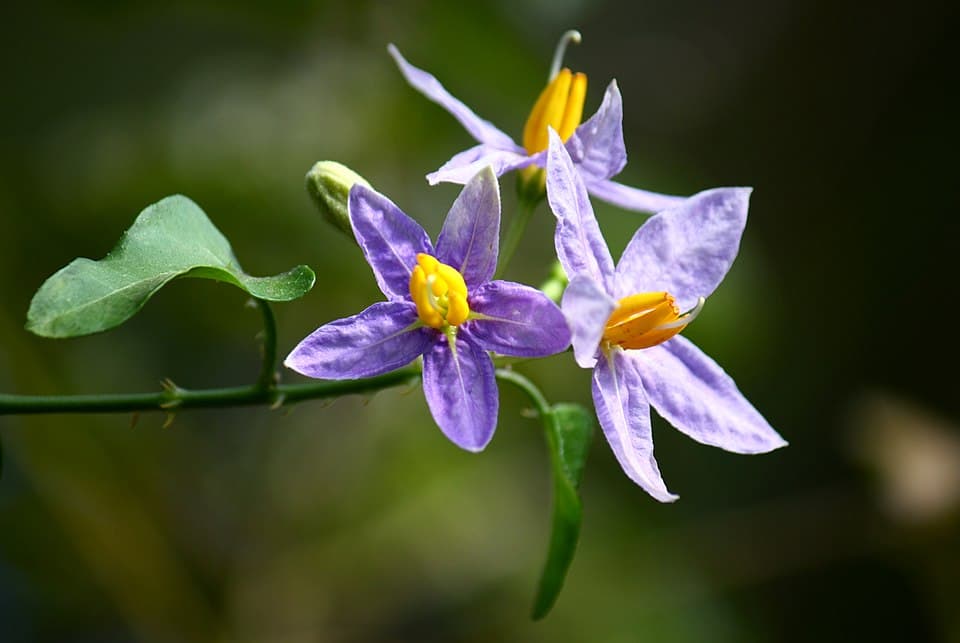
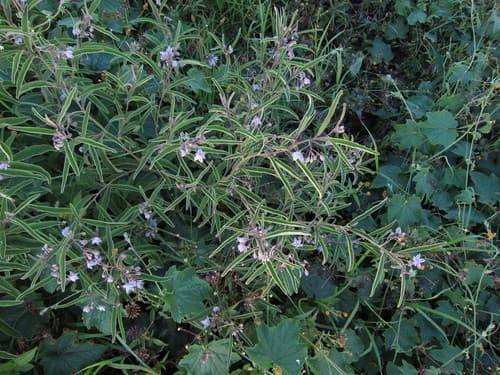
Convolvulus thomsonii is a perennial herbaceous climber or trailing plant, typically characterized by its twining stems and simple, alternate leaves. It produces funnel-shaped flowers, often white or pale, typical of the morning glory family.