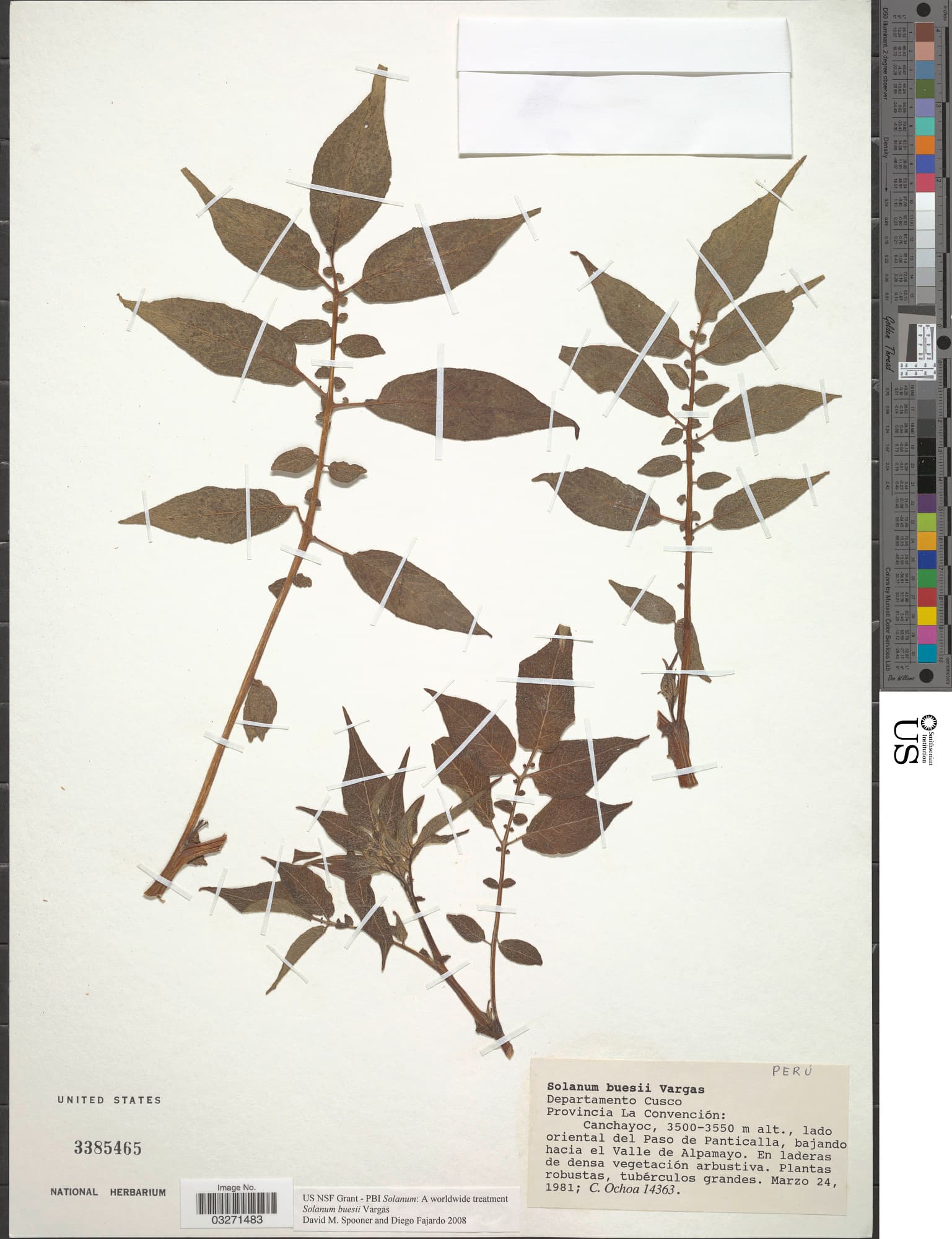
Texas wolfberry
Image: John A. Churchill (cc0)
NameTexas wolfberry
Scientific NameLycium texanum Correll
Common NamesTexas wolfberry
Plant FamilySolanaceae
Natural HabitatFound in dry, thorny scrublands and semi-arid regions of South Texas, often in association with other desert flora. The label specifies "Tamaulipas thorn scrub" habitat.
Parts Usedfruit,leaf,root
Medicinal Actionsantioxidant, anti-inflammatory, adaptogen
Traditional UsesWhile specific traditional uses for Lycium texanum are not widely documented, other Lycium species (like goji berries) have been traditionally used to support vision, boost immune function, and promote general vitality. It is plausible that L. texanum may share some of these properties, though specific research is limited.
Active Constituentspolysaccharides, carotenoids, flavonoids
Preparation Methodsinfusion, decoction, powder
Contraindications & WarningsSpecific contraindications for Lycium texanum are not well-documented. However, other Lycium species may interact with anticoagulant medications (e.g., warfarin) and potentially affect blood sugar levels, so caution is advised, especially for individuals on medication.
Cultivation NotesThis species is native to Texas and is well-adapted to arid and semi-arid conditions. It thrives in full sun and well-drained soils, exhibiting drought tolerance once established. It is a hardy plant suited for xeriscaping.
Rarityuncommon
Description
A thorny, woody shrub native to Texas, characterized by slender, often spiny branches. The specimen shows small, possibly deciduous leaves or leaf scars, and remnants of small white flowers. It produces small berries, typical of the genus.