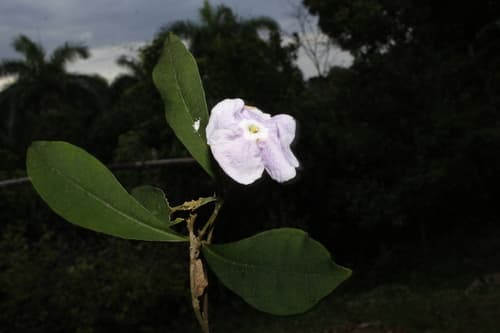
Tamarillo
NameTamarillo
Scientific NameSolanum betaceum
Common NamesTamarillo, Tree Tomato, Tomate de Árbol, Chilto
Plant FamilySolanaceae
Natural HabitatNative to the Andean regions of South America, particularly Peru, Bolivia, Ecuador, Colombia, and Chile. It thrives in subtropical climates at elevations between 1,000 and 2,000 meters.
Parts Usedfruit,leaf
Medicinal Actionsantioxidant, anti-inflammatory
Traditional UsesTraditionally consumed as a food for its rich nutritional content, including vitamins A, C, and E, and various minerals. It is used to support general health, boost immunity, improve vision, and promote skin health. In some folk traditions, crushed leaves are applied topically for inflammation or sore throats.
Active ConstituentsVitamins A, Vitamin C, Vitamin E, Carotenoids, Anthocyanins, Dietary Fiber, Potassium
Preparation Methodsinfusion, powder, poultice
Contraindications & WarningsGenerally considered safe as a food. Individuals with sensitivities to plants in the Solanaceae family might experience mild reactions. No significant drug interactions are widely reported.
Cultivation NotesPrefers well-drained, fertile soil and a subtropical climate with moderate rainfall. It is sensitive to frost and strong winds, requiring protection in such conditions. Regular watering is essential for optimal growth and fruit production.
Raritycommon
Description
The tamarillo is a small, fast-growing tree or shrub that produces egg-shaped, edible fruits. These fruits, which can be red, orange, yellow, or purple, are known for their tangy, sweet-sour flavor and are often striped.