Sweet Mock Orange
NameSweet Mock Orange
Scientific NamePhiladelphus coronarius
Common NamesSweet Mock Orange, English Dogwood, Syringa
Plant FamilyHydrangeaceae
Natural HabitatNative to Southern Europe and the Caucasus, it naturally grows in woodlands, forest edges, and rocky slopes. It is widely cultivated as an ornamental plant in temperate regions globally.
Parts Usedflower
Medicinal Actionsnervine
Traditional UsesPrimarily valued for its ornamental beauty and strong, sweet fragrance, the flowers of Sweet Mock Orange have been historically used to scent linens and make fragrant waters. These fragrant waters were occasionally used as a substitute for orange blossom water, which was traditionally believed to have mild calming or soothing properties, thus imparting a very gentle nervine effect through aromatherapy.
Active Constituentseugenol, linalool, phenylethyl alcohol
Preparation Methodsinfusion
Contraindications & WarningsGenerally considered non-toxic, but large quantities of any plant material can cause mild gastrointestinal upset. Due to its limited internal medicinal use, specific contraindications are not widely documented.
Cultivation NotesThis hardy shrub thrives in full sun to partial shade and prefers well-drained soil, tolerating a range of soil types once established. It is low-maintenance and benefits from pruning after flowering to maintain shape and encourage vigorous new growth.
Raritycommon
Description
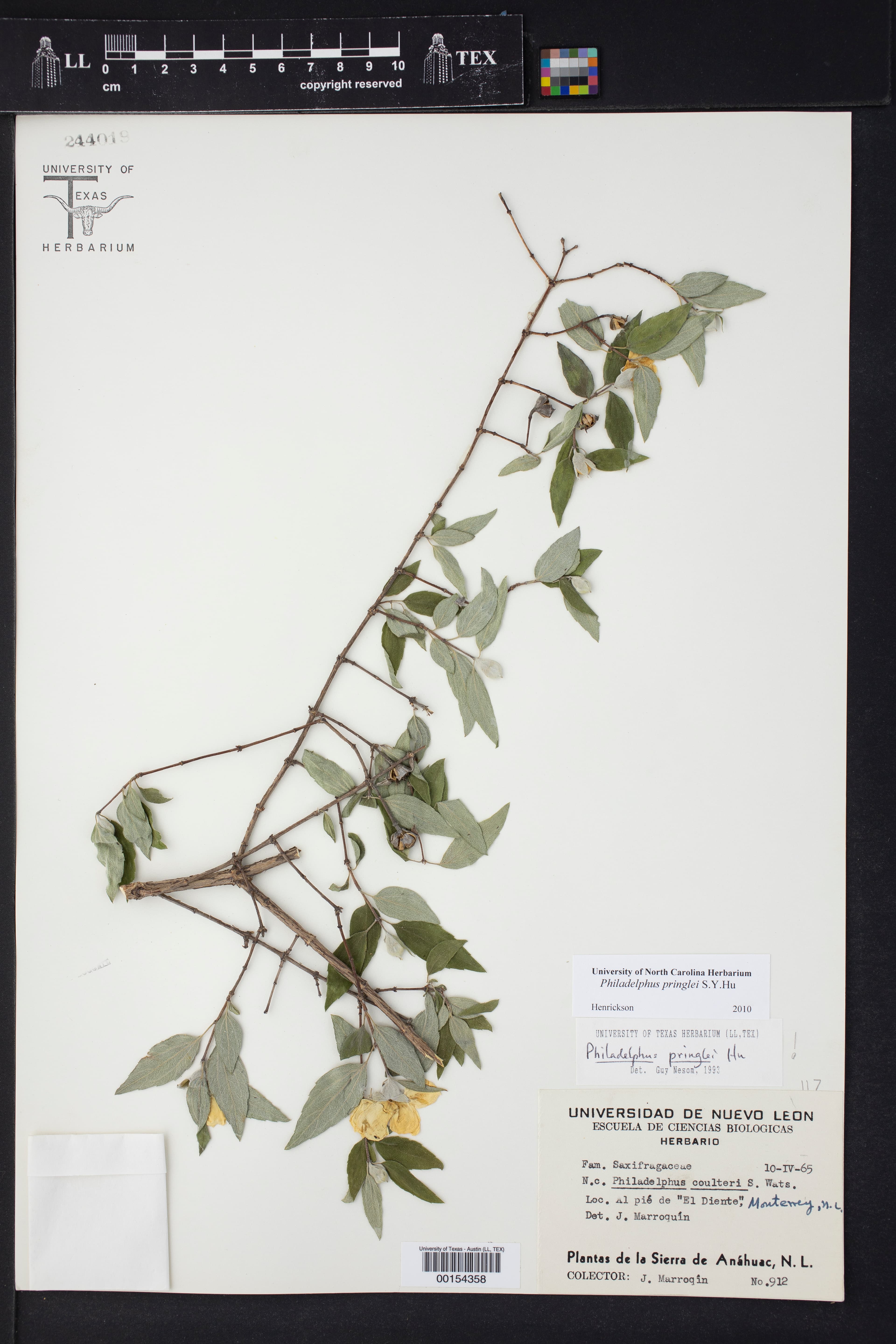
A deciduous shrub celebrated for its intensely fragrant white flowers that bloom in late spring to early summer. It features ovate, dark green leaves and an upright, arching growth habit, often reaching heights of 10-12 feet.