Amazon Raintree
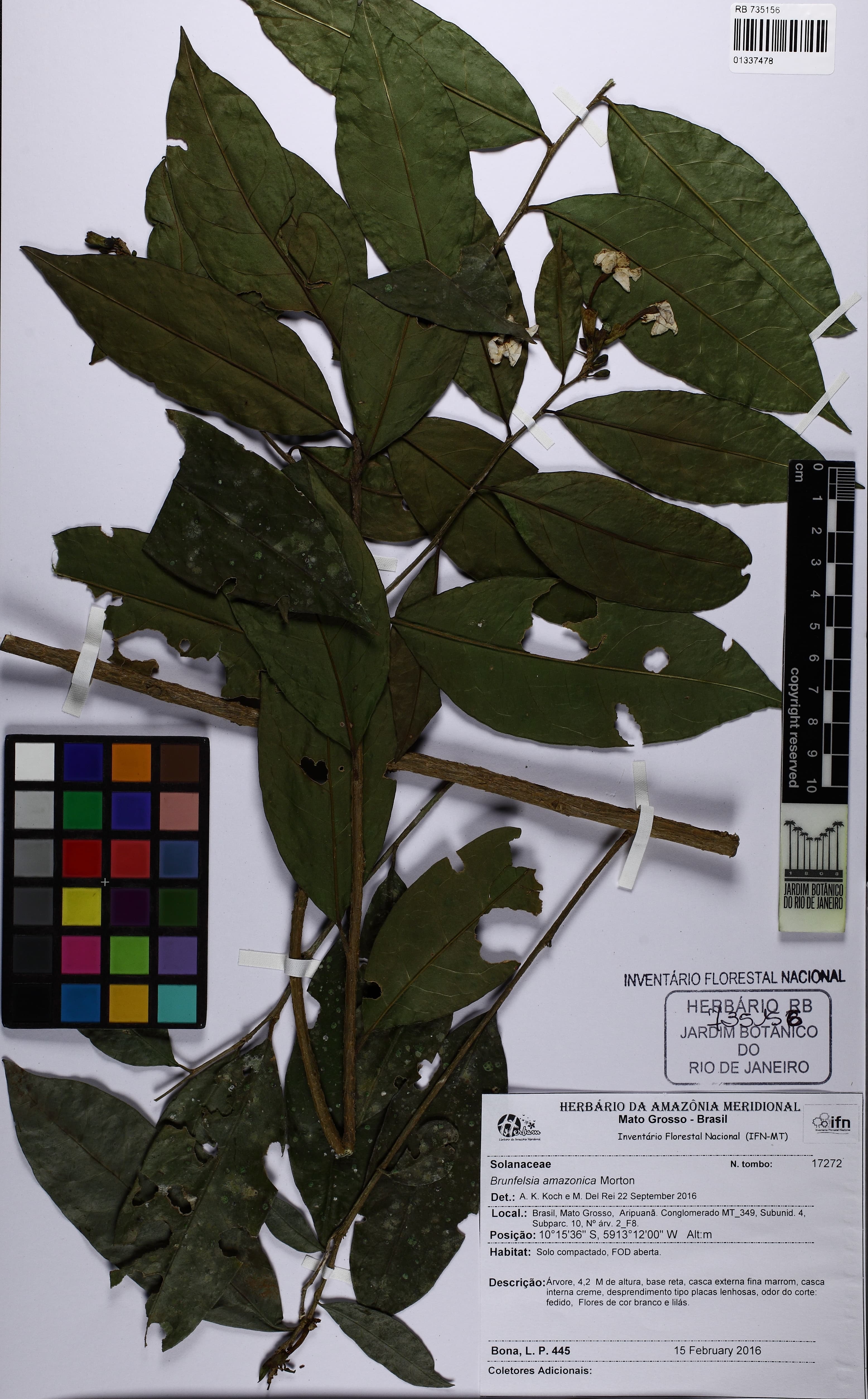
Image: Bona, L. P. (cc-by)
NameAmazon Raintree
Scientific NameBrunfelsia amazonica C.V.Morton
Common NamesAmazon Raintree, Manacá
Plant FamilySolanaceae
Natural HabitatNative to Brazil, specifically found in regions like Mato Grosso, growing in compact soil within open forest environments.
Parts Usedroot,bark
Medicinal Actionsdiuretic, nervine, sedative, anti-inflammatory
Traditional UsesTraditionally, various Brunfelsia species, including those related to B. amazonica, have been used in Amazonian folk medicine as purgatives, diuretics, and for treating fevers, rheumatism, and syphilis. Some indigenous groups also utilize them for their psychoactive effects in spiritual ceremonies.
Active ConstituentsScopoletin, Brunfelsamidine, Indole alkaloids
Preparation Methodsdecoction, tincture, powder
Contraindications & WarningsDue to the presence of potent alkaloids, Brunfelsia species can be toxic. Symptoms of overdose include nausea, vomiting, dizziness, tremors, and other neurological disturbances. Not recommended for pregnant or nursing women, children, or individuals with liver or kidney conditions. Interactions with central nervous system depressants or stimulants are possible.
Cultivation NotesPrefers tropical to subtropical climates with well-drained, fertile soil and partial shade. Requires consistent moisture but avoids waterlogging. Can be propagated from seeds or cuttings.
Rarityuncommon
Description
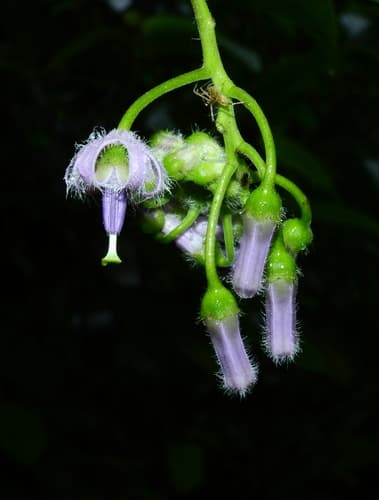
Brunfelsia amazonica is a tree growing up to 4.2 meters tall, characterized by a straight base and thin brown outer bark with a cream inner bark that detaches in woody plates. Its flowers are typically white and lilac, and the cut bark has a distinct odor.