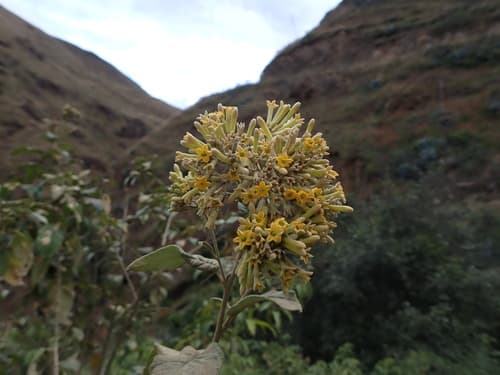
Cestrum zarucchianum
NameCestrum zarucchianum
Scientific NameCestrum zarucchianum
Plant FamilySolanaceae
Natural HabitatNative to the Andes of South America, particularly Ecuador and Peru, where it thrives in montane forests, cloud forests, and disturbed areas at elevations between 2000-3500 meters.
Parts Usedleaf,flower
Medicinal Actionsanti-inflammatory, analgesic, antimicrobial
Traditional UsesWhile specific traditional uses for Cestrum zarucchianum are not widely documented, other species within the Cestrum genus have been traditionally used externally for pain, inflammation, and skin conditions. Internal use is rare and highly cautioned due to the genus's known toxicity.
Active Constituentssteroidal saponins, alkaloids, flavonoids
Preparation Methodspoultice, salve
Contraindications & WarningsAll parts of Cestrum species, especially the berries, are considered toxic. Ingestion can cause severe gastrointestinal upset, neurological symptoms, and can be fatal. Not for internal use without expert guidance. Contraindicated in pregnancy, lactation, children, and individuals with liver or kidney conditions.
Cultivation NotesThis Andean shrub prefers well-drained soil and a climate mimicking its native montane habitat, with moderate temperatures and cool nights. It can tolerate full sun to partial shade. Not widely cultivated outside its native range.
Rarityuncommon
Description
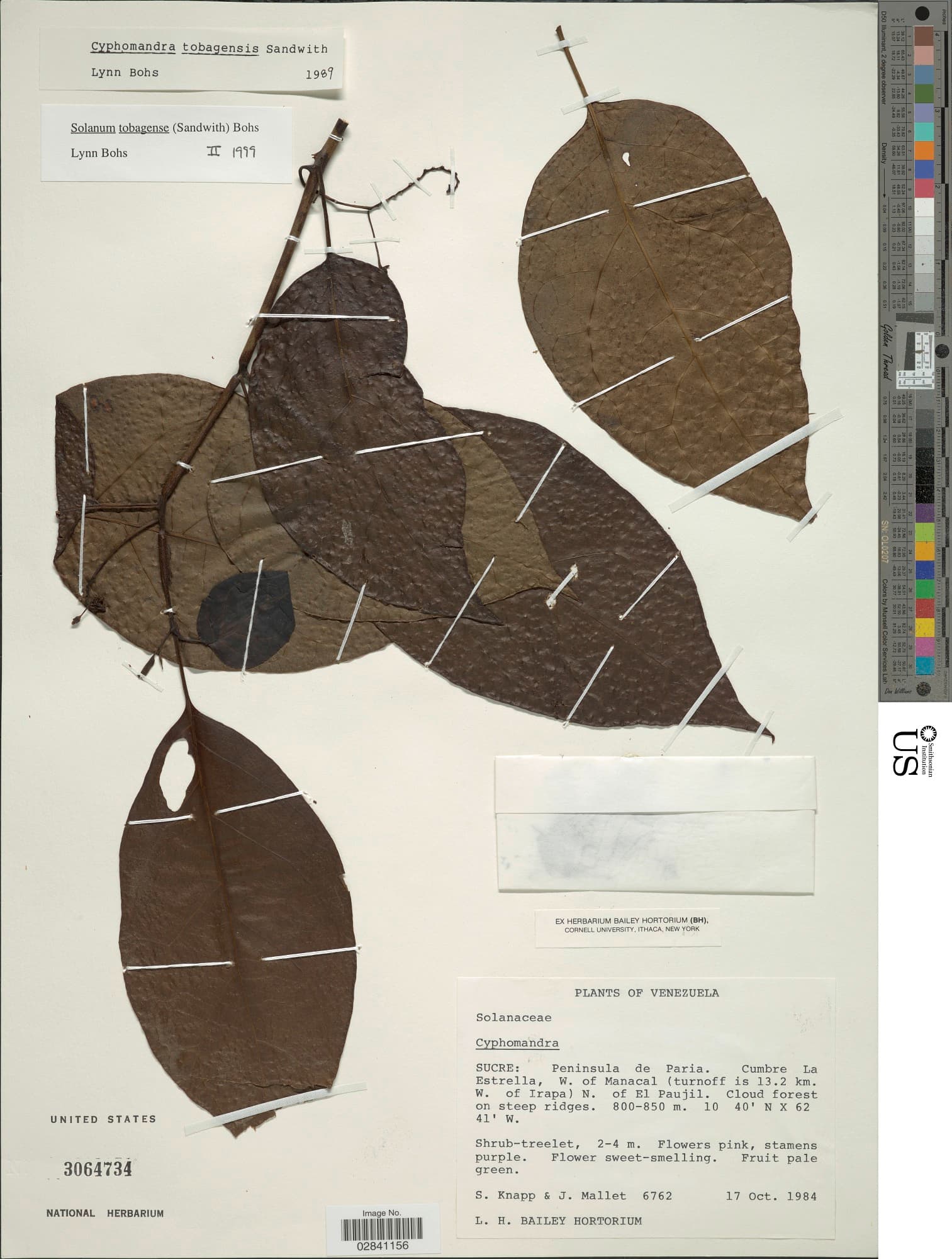
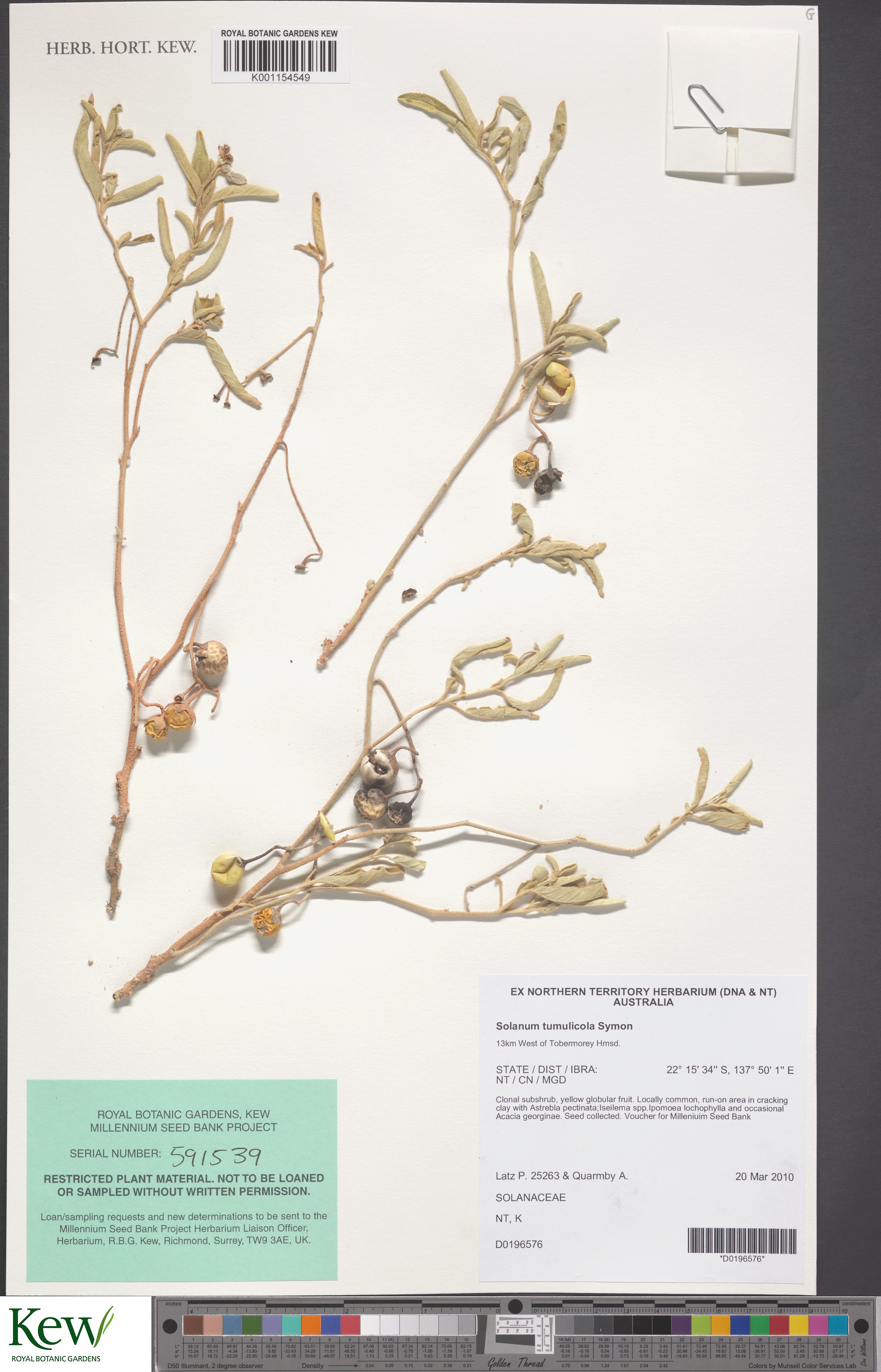
Cestrum zarucchianum is a shrub or small tree, typically growing 1-4 meters tall, characterized by simple, alternate leaves that are often pubescent on the underside. It produces dense clusters of small, tubular, yellow to orange flowers in terminal or axillary panicles, followed by small berries.