Solanum sumacaspi
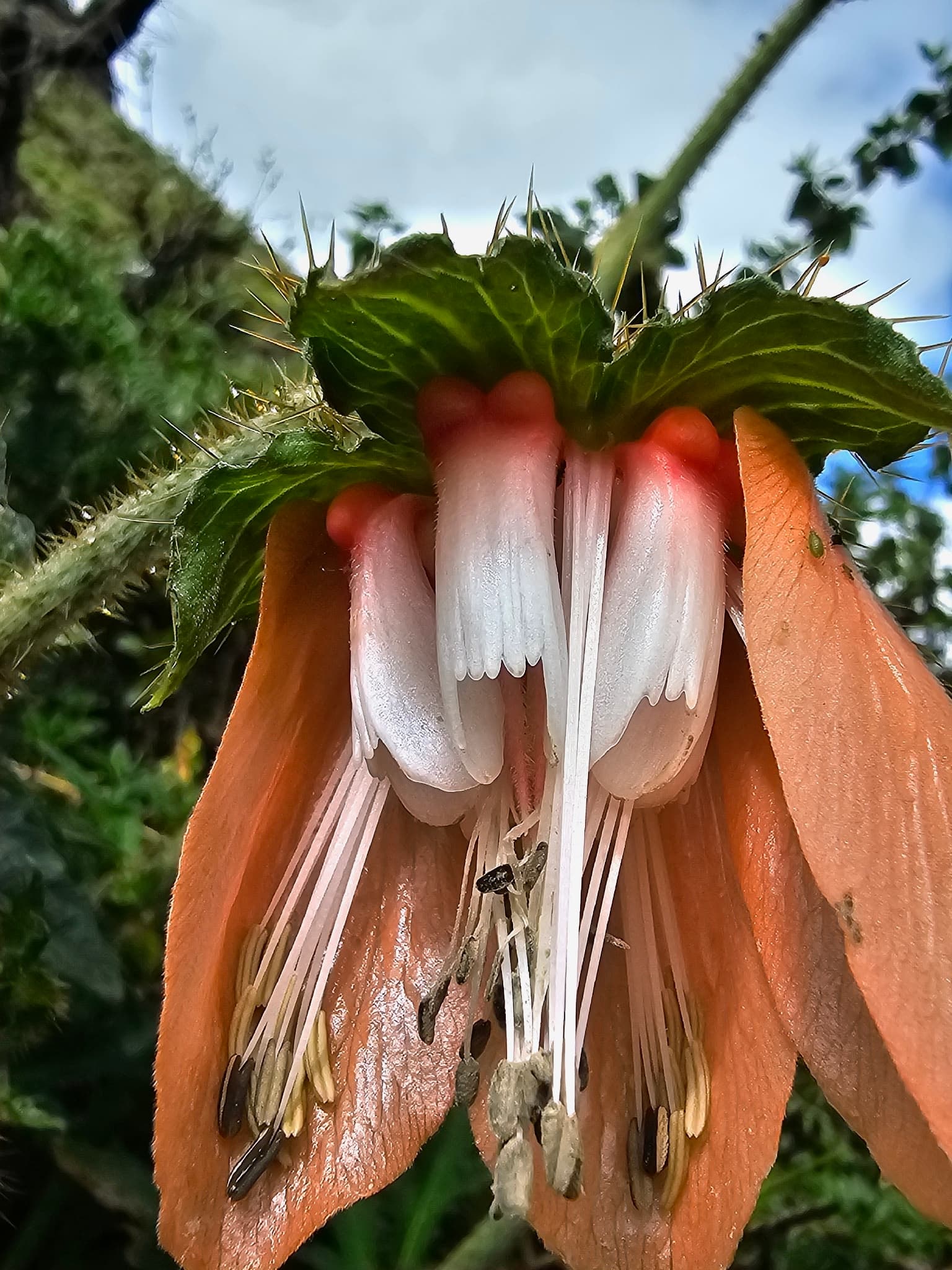
Image: A. Araujo (cc-by-nc)
NameSolanum sumacaspi
Scientific NameSolanum sumacaspi S.Knapp
Plant FamilySolanaceae
Natural HabitatThis species is native to the montane cloud forests and humid slopes of the Andean regions in South America, thriving in moist, subtropical to tropical environments.
Parts Used
Traditional UsesSpecific traditional medicinal uses for Solanum sumacaspi are not widely documented in ethnobotanical literature. Many species within the Solanum genus contain steroidal glycoalkaloids, which can be toxic, and therefore, caution is advised regarding any internal use without thorough scientific validation.
Active ConstituentsSpecific active constituents for Solanum sumacaspi are not well-documented. However, like many species in the Solanum genus, it is likely to contain steroidal glycoalkaloids (e.g., solanine-like compounds) which can be toxic.
Contraindications & WarningsDue to the likely presence of potentially toxic steroidal glycoalkaloids common in the Solanum genus, Solanum sumacaspi should be considered potentially toxic. Internal use is strongly contraindicated without extensive scientific validation. Pregnant or nursing women, children, and individuals with liver or kidney conditions should avoid use.
Cultivation NotesAs a native of Andean montane forests, Solanum sumacaspi likely prefers humid, subtropical to tropical conditions with well-drained, fertile soil. It would require consistent moisture and potentially partial shade, mimicking its natural understory habitat.
Rarityuncommon
Description
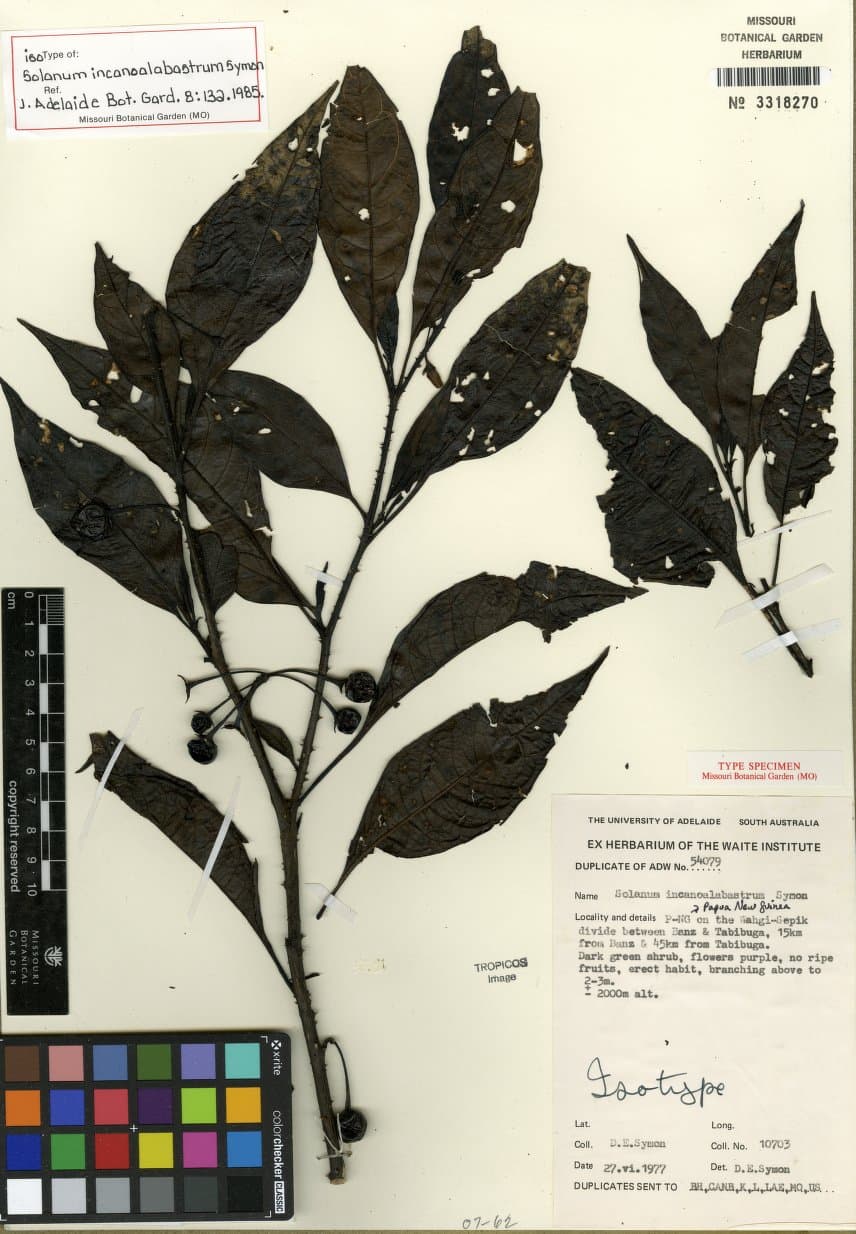
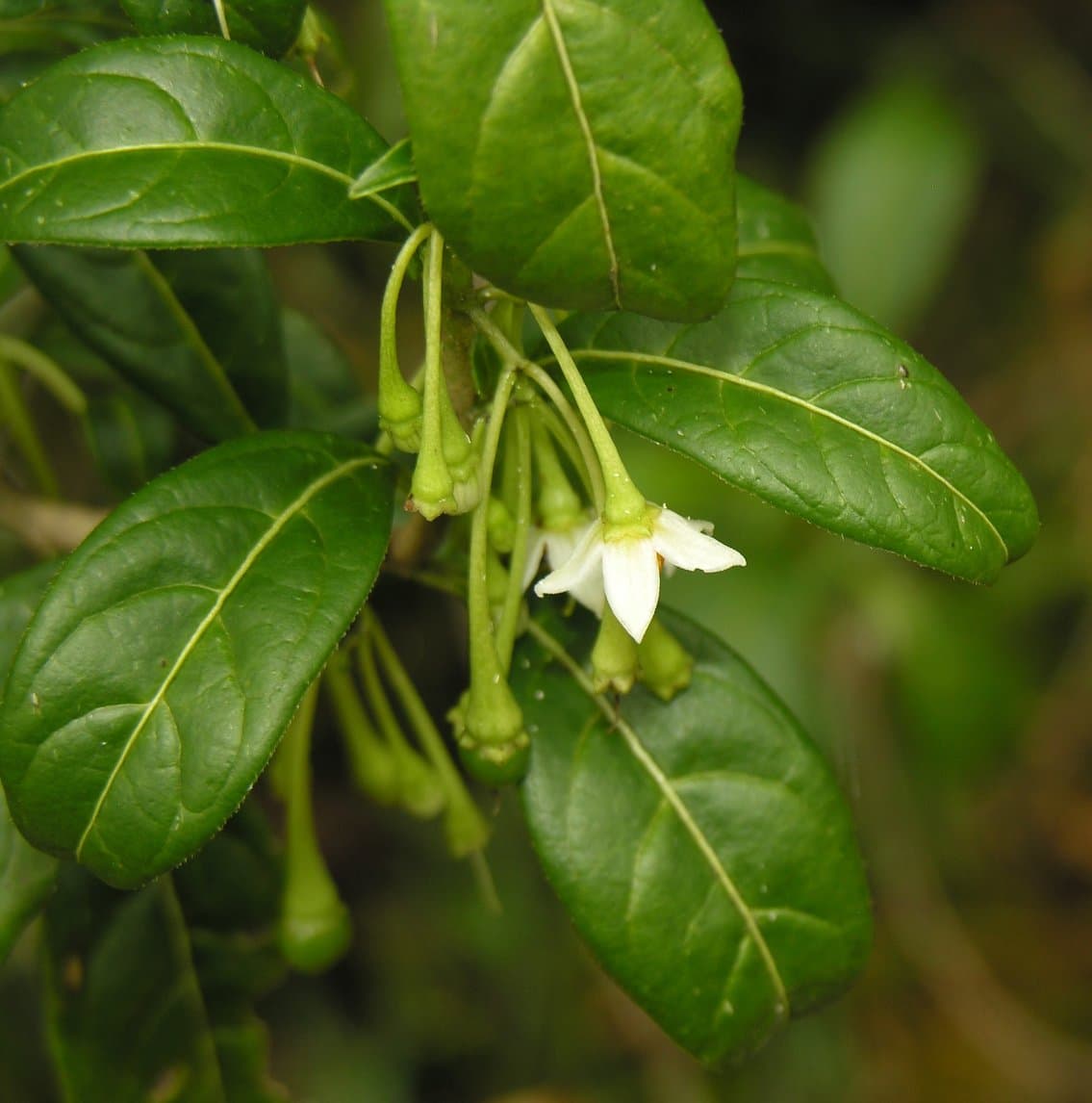
Solanum sumacaspi is a woody shrub or small tree characterized by its simple, ovate to elliptic, dark green leaves with prominent venation. It produces small, star-shaped white flowers, typical of the Solanum genus, often borne in clusters, which develop into green fruits.