Solanum splendens
NameSolanum splendens
Scientific NameSolanum splendens
Plant FamilySolanaceae
Natural HabitatNative to tropical and subtropical regions of Central and South America, particularly found in humid montane forests, cloud forests, and disturbed areas like forest edges and clearings.
Parts Usedleaf
Medicinal Actionsanti-inflammatory
Traditional UsesThere are no widely documented traditional medicinal uses specifically for Solanum splendens. While some species within the Solanum genus have historical medicinal applications, often for external anti-inflammatory purposes, specific ethnobotanical data for S. splendens is scarce. All parts should be considered potentially toxic.
Active Constituentssteroidal glycoalkaloids
Preparation Methodspoultice
Contraindications & WarningsAll parts of Solanum splendens should be considered potentially toxic due to the presence of steroidal glycoalkaloids. Ingestion can lead to severe gastrointestinal upset, neurological symptoms, and can be fatal. Internal use is strongly contraindicated. Avoid contact by pregnant or breastfeeding individuals, children, and those with liver or kidney conditions.
Cultivation NotesThis species thrives in humid, tropical to subtropical environments. It prefers well-drained soil and can tolerate conditions from full sun to partial shade. It can be grown as an ornamental vine or shrub.
Rarityuncommon
Description
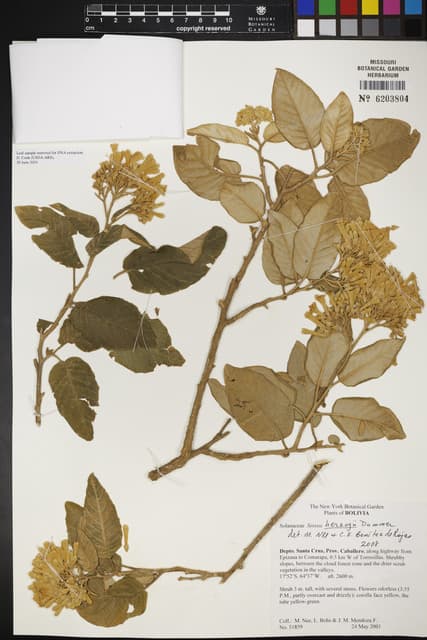
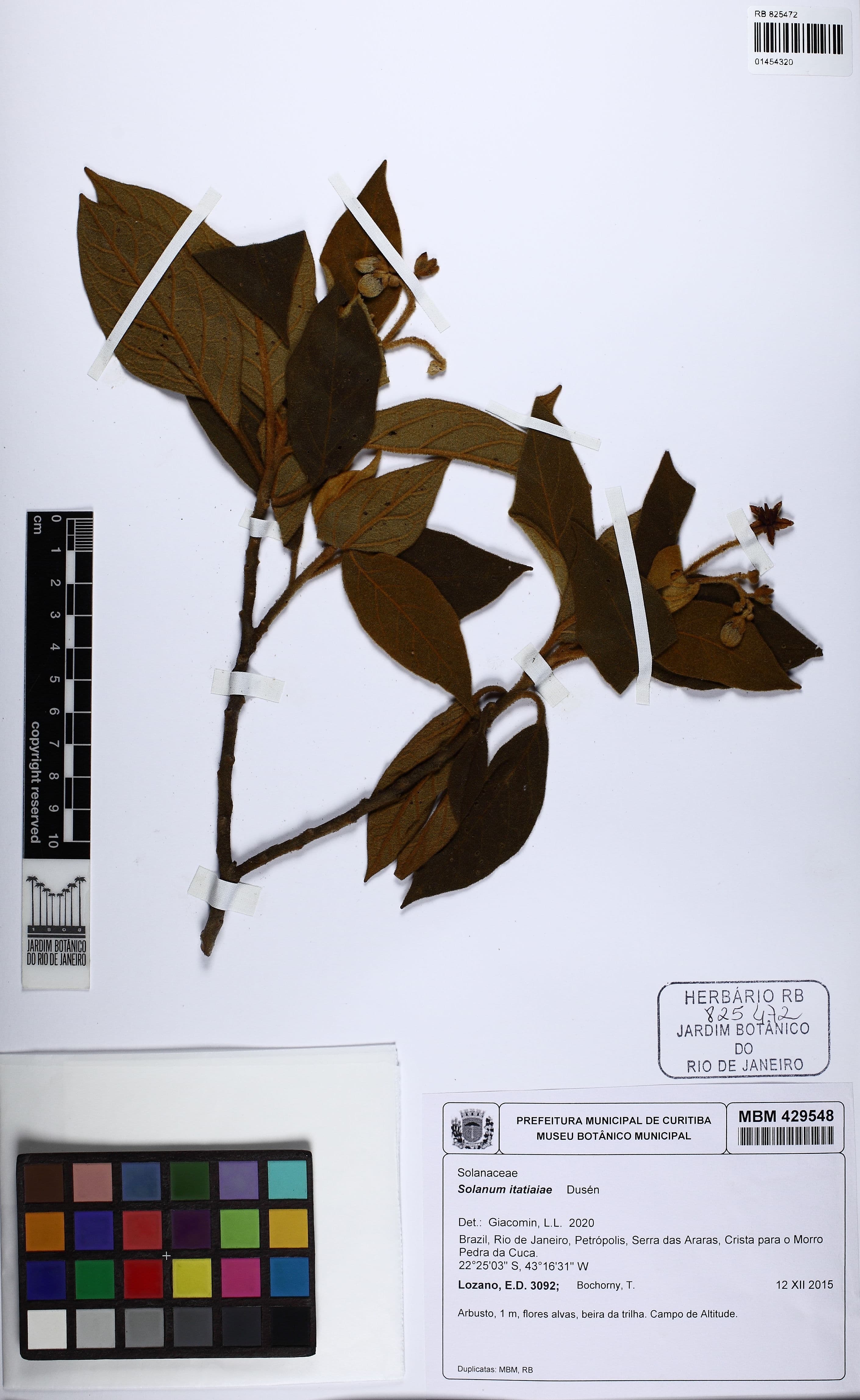
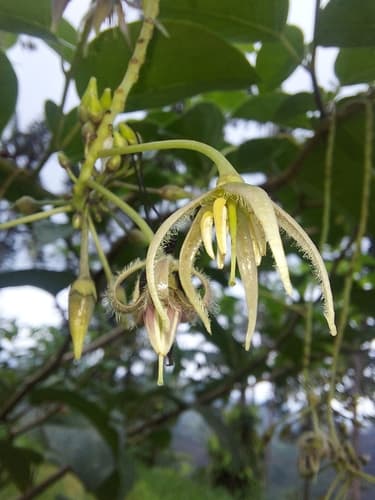
Solanum splendens is a woody vine or scrambling shrub characterized by its simple, alternate leaves. It produces clusters of pendulous, pale yellowish-green to whitish flowers with prominent stamens and often hairy calyces. The plant typically bears globose berries that ripen to orange or red.