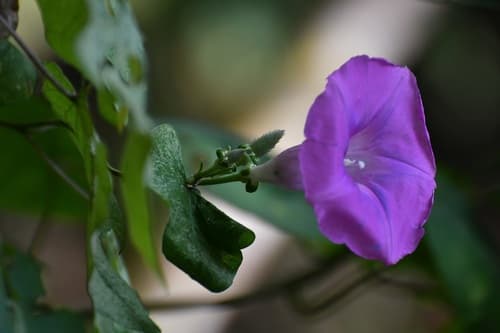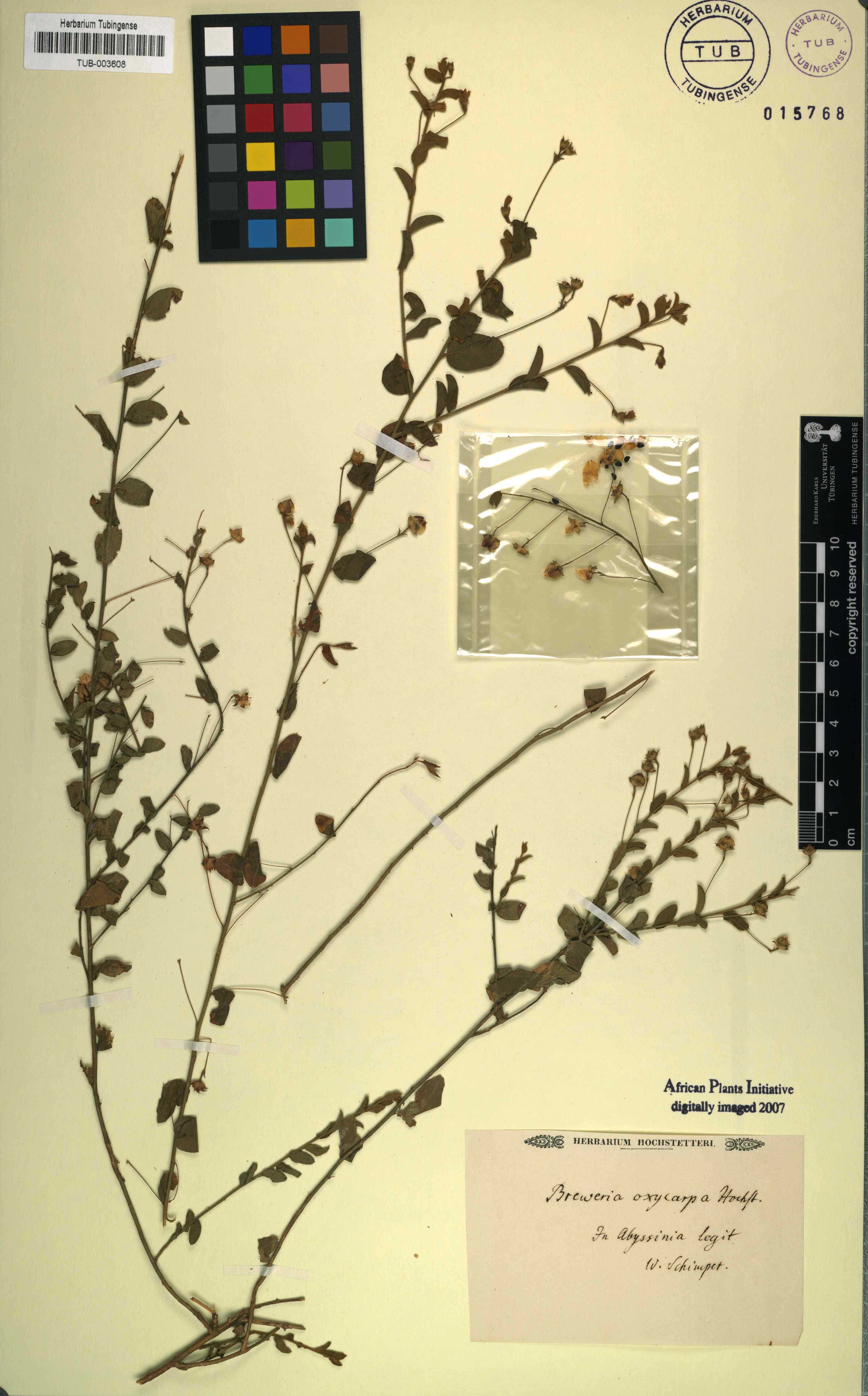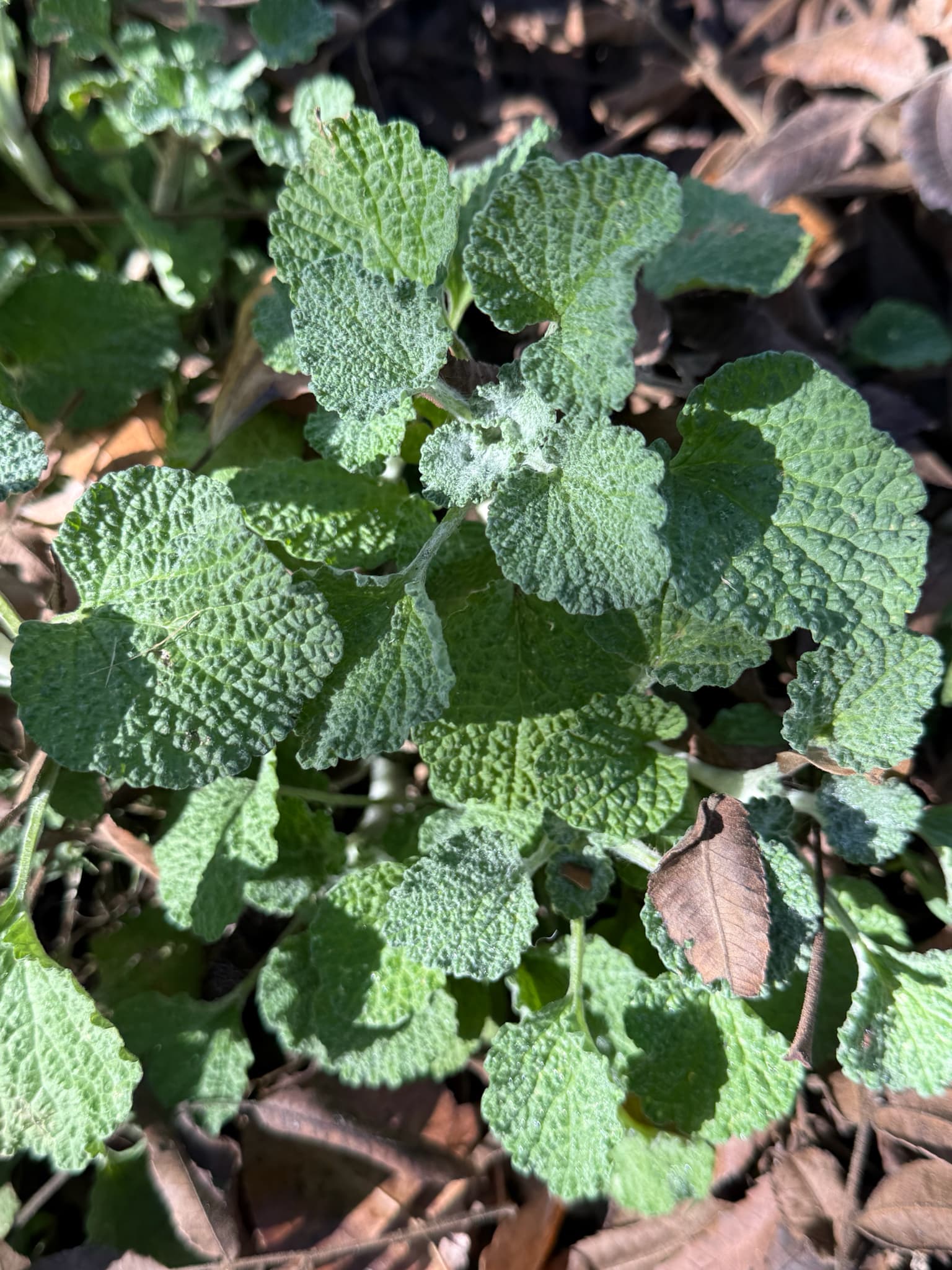
Cestrum domingense
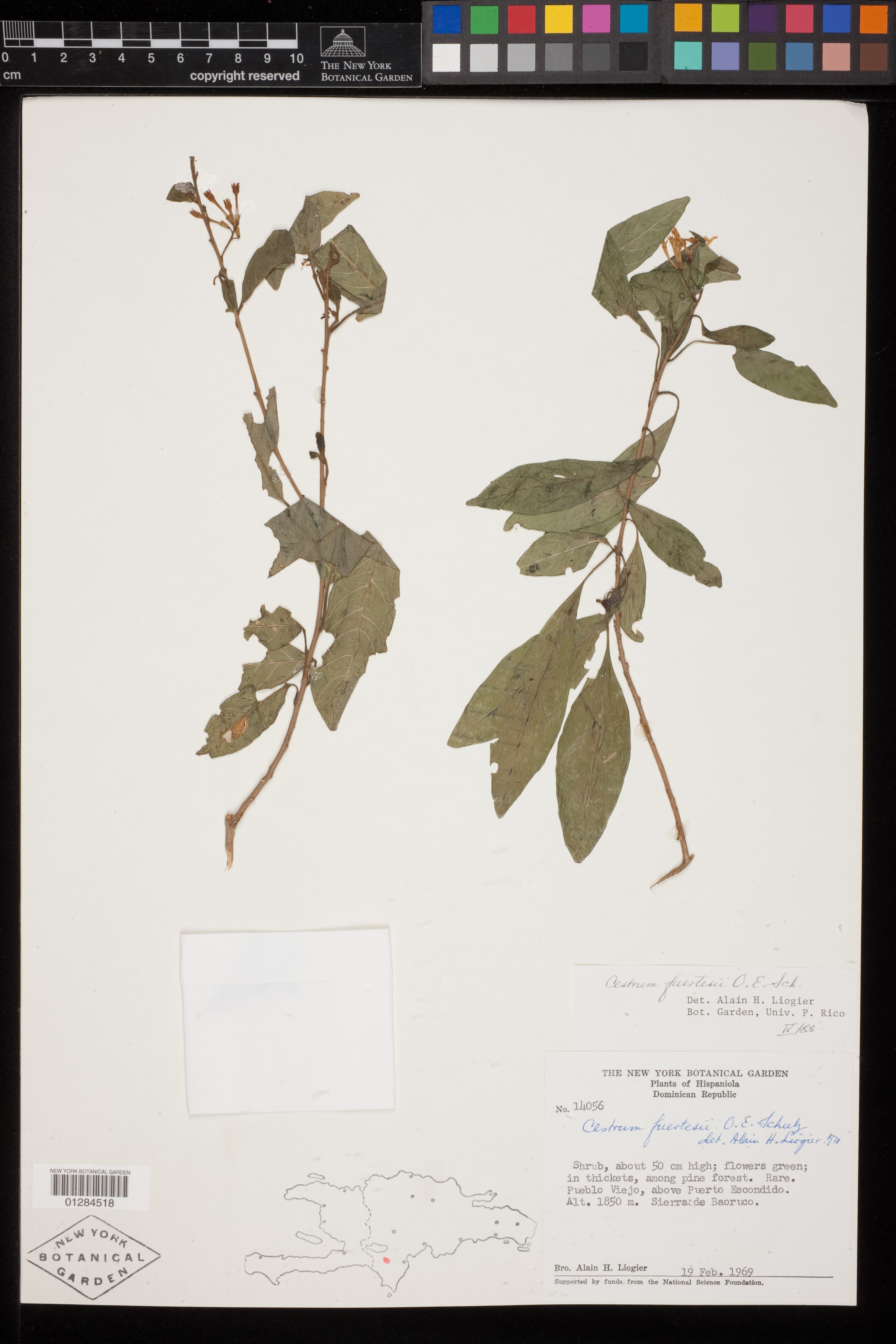
Image: The New York Botanical Garden (cc-by)
NameCestrum domingense
Scientific NameCestrum domingense
Common NamesDominican Jessamine
Plant FamilySolanaceae
Natural HabitatFound in thickets and among pine forests at high altitudes, specifically around 1850 meters in the Sierra de Baoruco region of the Dominican Republic, Hispaniola.
Parts Used
Traditional UsesWhile the genus Cestrum contains species with some traditional medicinal applications, Cestrum domingense specifically lacks well-documented safe traditional uses. The plant is generally considered toxic.
Active ConstituentsSteroidal glycoalkaloids, Saponins
Contraindications & WarningsAll parts of Cestrum domingense are considered toxic if ingested, potentially causing severe gastrointestinal distress, neurological symptoms, and poisoning. Internal use is strongly contraindicated.
Cultivation NotesPrefers high-altitude environments within thickets and pine forests. Requires conditions similar to its native habitat in the Dominican Republic, including specific soil and moisture levels.
Rarityrare
Description
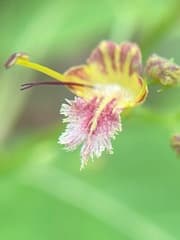
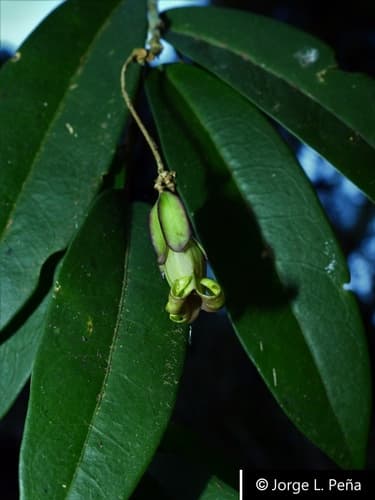
A shrub typically growing to about 50 cm high, characterized by small, tubular green flowers. Its leaves are simple, alternate, and generally ovate-lanceolate with entire margins.