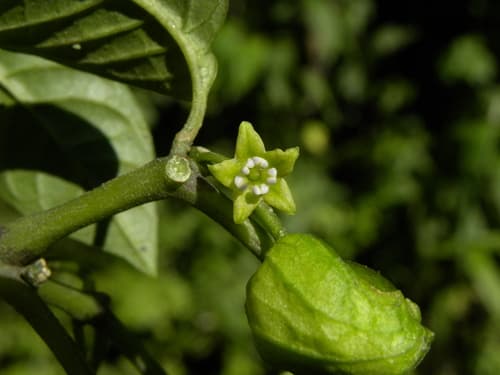
Drunken Berry
NameDrunken Berry
Scientific NameSolanum dulcamara
Common NamesDrunken Berry, Bittersweet Nightshade, Woody Nightshade, Climbing Nightshade, Fever Twig
Plant FamilySolanaceae
Natural HabitatCommonly found in damp, disturbed areas such as woodlands, hedgerows, stream banks, fencerows, and waste ground. It thrives in moist, nitrogen-rich soils and is native to Europe and Asia, but widely naturalized in North America.
Parts Usedleaf
Medicinal Actionsanti-inflammatory, diuretic
Traditional UsesHistorically, the plant was used externally for skin conditions like eczema, warts, and ringworm. Internally, it was cautiously employed as a diuretic, purgative, and for chronic skin diseases, rheumatism, and asthma, though its use has largely been abandoned due to its high toxicity.
Active ConstituentsSteroidal glycoalkaloids (solanine, solasodine, dulcamarine), Saponins, Tannins
Preparation Methodsdecoction, poultice, tincture
Contraindications & WarningsTHIS PLANT IS HIGHLY TOXIC. All parts, especially the unripe berries, are poisonous and can cause severe symptoms including nausea, vomiting, diarrhea, dizziness, convulsions, and paralysis. It should never be used internally without expert medical supervision. Avoid completely during pregnancy and lactation. Potential interactions with other medications due to its alkaloid content.
Cultivation NotesEasily grown from seed or cuttings, it prefers moist, well-drained soil and can tolerate full sun to partial shade. It can become invasive in suitable conditions, spreading rapidly through its creeping rhizomes and self-seeding.
Raritycommon
Description
A perennial, semi-woody vine or scrambling shrub, Bittersweet Nightshade produces clusters of star-shaped, purple flowers with prominent yellow anthers. These flowers are followed by bright green berries that ripen to a vivid red, which are highly toxic.