Solanum repandum
Image: Conveyor Belt (cc0)
NameSolanum repandum
Scientific NameSolanum repandum G.Forst.
Common NamesKava ni tana, False Kava
Plant FamilySolanaceae
Natural HabitatNative to the Pacific Islands (Fiji, Samoa, Tonga, etc.), it thrives in disturbed areas, forest margins, and secondary forests from sea level to moderate elevations.
Parts Usedleaf,bark,root
Medicinal Actionsanalgesic, anti-inflammatory, nervine, sedative
Traditional UsesTraditionally, the leaves are used in Pacific Island cultures as a substitute or adulterant for true kava, prepared as a beverage for its mild sedative and relaxing effects. It is also applied topically as a poultice for skin conditions, boils, swellings, and internally for fevers, headaches, and general aches and pains.
Active Constituentssteroidal glycoalkaloids (e.g., solamargine, solasonine), flavonoids, phenolic acids
Preparation Methodsinfusion, decoction, poultice
Contraindications & WarningsDue to the presence of potentially toxic steroidal glycoalkaloids, Solanum repandum should be used with extreme caution. Large doses can cause gastrointestinal upset, neurological effects, and cardiac issues. It is contraindicated for pregnant and breastfeeding women, children, and individuals with liver or kidney conditions, and may interact with sedatives.
Cultivation NotesThis plant prefers tropical or subtropical climates with well-drained soil and can tolerate some environmental disturbance. It can be propagated from seeds or cuttings.
Raritycommon
Description
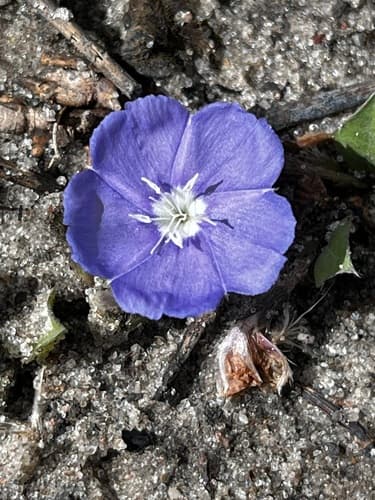
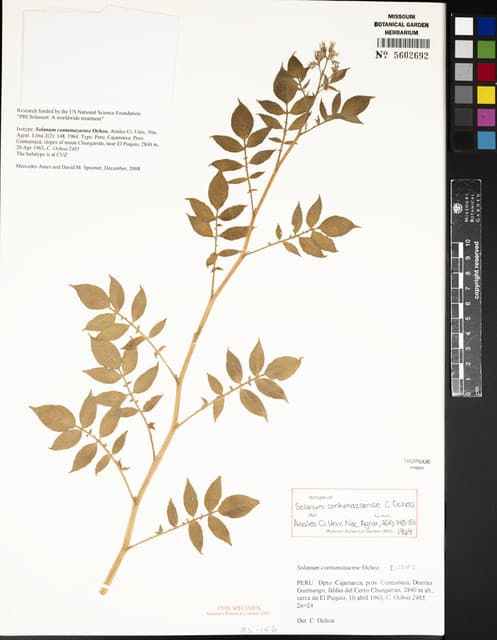
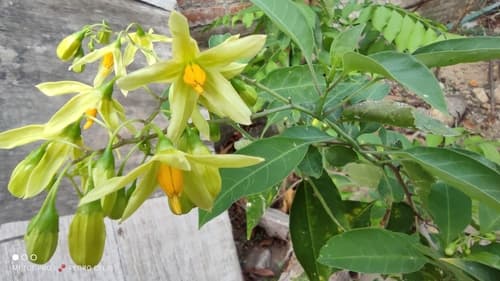
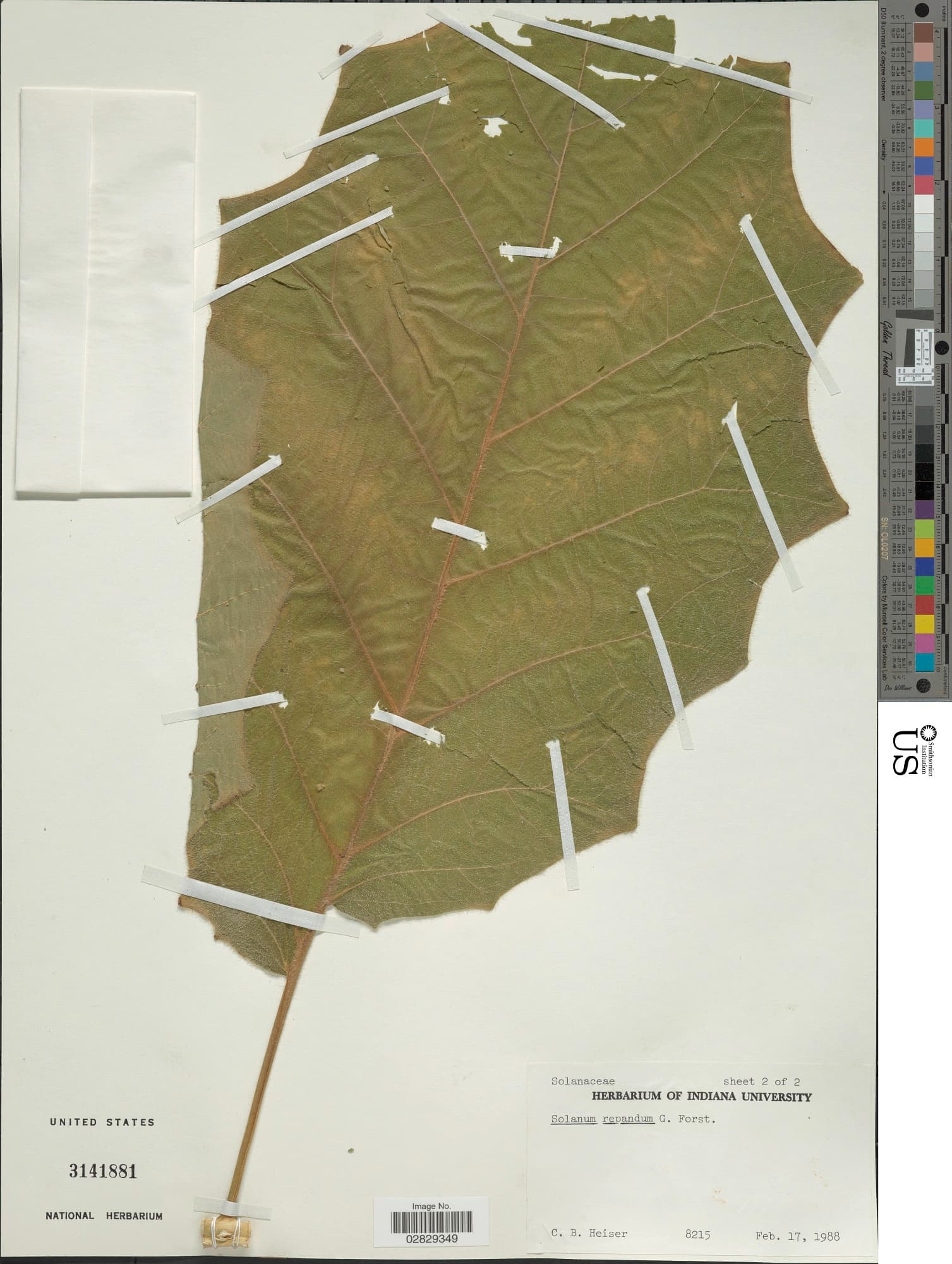
Solanum repandum is a shrub or small tree, typically growing 1-5 meters tall, characterized by large, broadly ovate to suborbicular leaves with an undulate or shallowly lobed margin and a velvety texture. It produces white to purple flowers followed by globose berries.