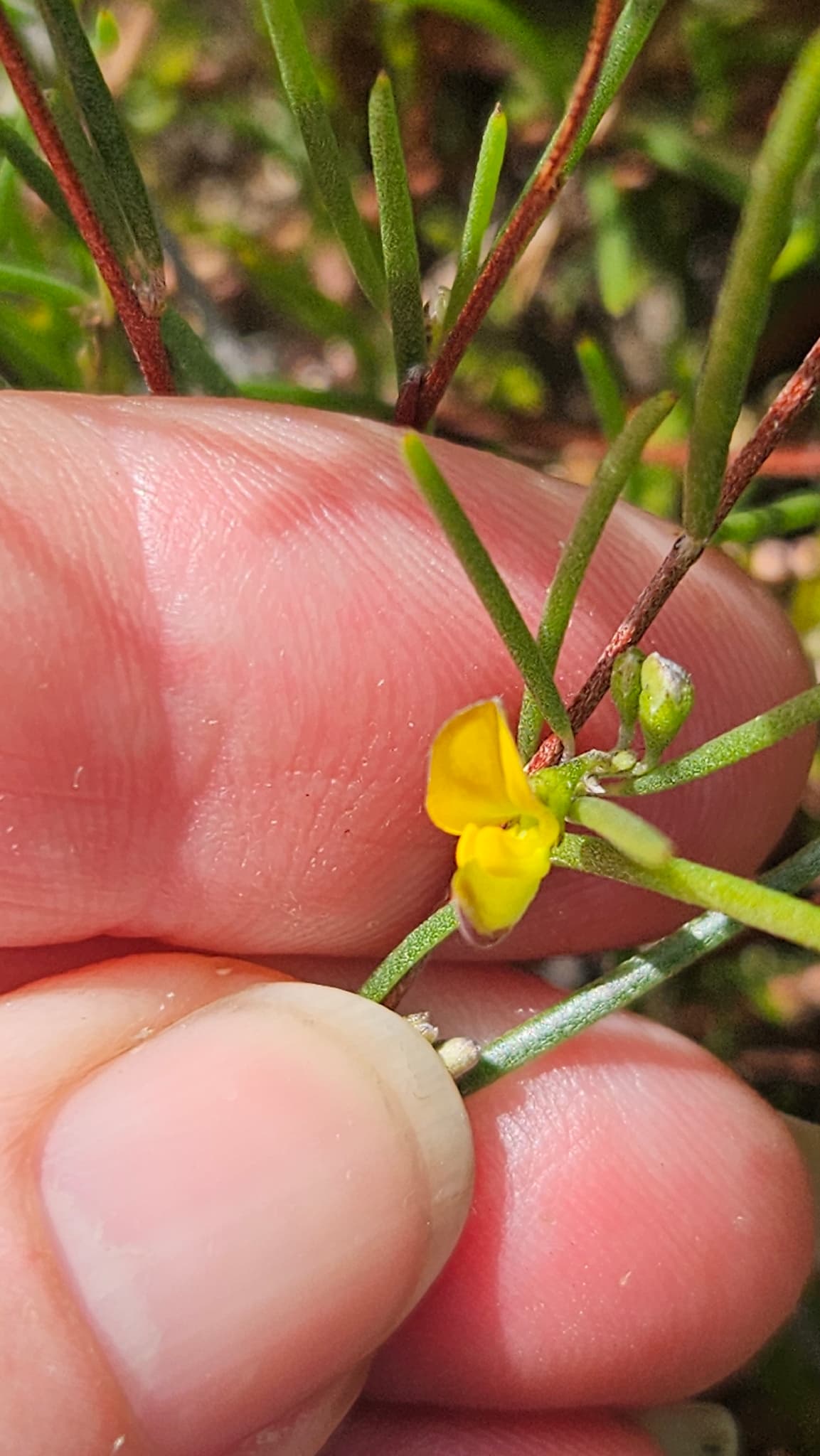
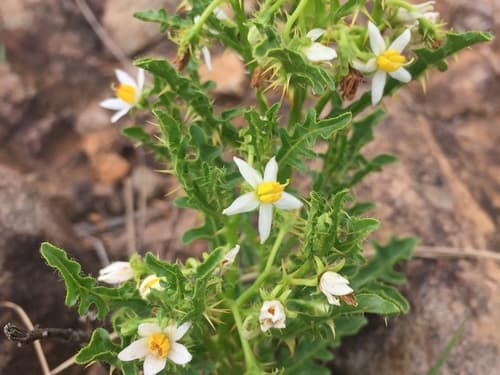
Solanum pittosporifolium
NameSolanum pittosporifolium
Scientific NameSolanum pittosporifolium
Common NamesPittosporum-leaved Nightshade
Plant FamilySolanaceae
Natural HabitatNative to tropical and subtropical regions of South America, particularly Brazil, where it is often found in forest margins, disturbed areas, and secondary growth.
Parts Usedfruit,leaf
Medicinal Actionsanti-inflammatory, analgesic
Traditional UsesWhile specific traditional medicinal uses for Solanum pittosporifolium are not widely documented, other species within the Solanum genus are traditionally used in some folk medicine systems for external application to alleviate inflammatory conditions and pain. However, these uses are often highly localized and require expert knowledge due to the plant's inherent toxicity.
Active Constituentssteroidal glycoalkaloids, solasodine, solamargine, solasonine
Preparation Methodspoultice, powder
Contraindications & WarningsAll parts of Solanum pittosporifolium, especially the unripe fruits, are considered toxic due to the presence of steroidal glycoalkaloids. Internal consumption is highly discouraged and potentially dangerous without expert guidance. It is contraindicated for pregnant or nursing women, children, and individuals with liver or kidney conditions. May interact with various medications.
Cultivation NotesThis plant thrives in warm, humid climates with well-drained soil. It prefers full sun to partial shade and can be propagated from seed. Due to its toxicity, it should be handled with care, especially if cultivated in areas accessible to children or pets.
Raritycommon
Description
Solanum pittosporifolium is a species of nightshade, typically growing as a shrub or small tree. It features simple, often ovate leaves and produces small, round berries that transition from green when immature to a vibrant orange-red upon ripening.