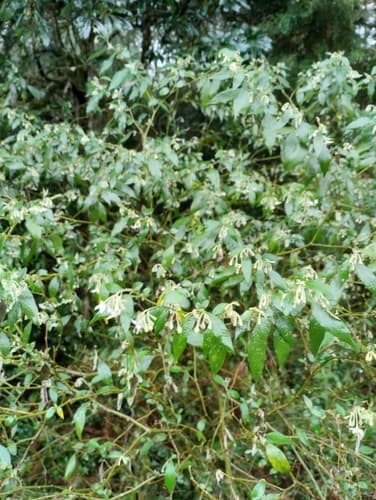
Solanum paranense
NameSolanum paranense
Scientific NameSolanum paranense
Common NamesJurubeba-do-Paraná
Plant FamilySolanaceae
Natural HabitatNative to South America, particularly Brazil, Paraguay, and Argentina, where it thrives in disturbed areas, forest edges, clearings, and secondary vegetation within tropical and subtropical biomes like the Atlantic Forest.
Parts Usedleaf,root
Medicinal Actionsanti-inflammatory, diuretic, antioxidant
Traditional UsesTraditionally, Solanum paranense, like other "jurubeba" species, is used in South American folk medicine for liver complaints, digestive disorders, and as a general tonic. It is also employed for its potential anti-inflammatory and diuretic properties.
Active Constituentssteroidal glycoalkaloids, flavonoids, phenolic compounds
Preparation Methodsinfusion, decoction
Contraindications & WarningsDue to the presence of potentially toxic glycoalkaloids, ingestion in large quantities can cause gastrointestinal upset and other adverse effects. It is contraindicated for pregnant and nursing women, young children, and individuals with severe liver or kidney conditions.
Cultivation NotesThis species prefers tropical to subtropical climates with well-drained soil and can tolerate full sun to partial shade. It is relatively hardy and often found in disturbed habitats, suggesting it is not overly demanding to cultivate in suitable environments.
Raritycommon
Description
Solanum paranense is a shrub or small tree native to South America, characterized by simple, green leaves and small, whitish to yellowish star-shaped flowers with prominent anthers. It typically grows as a multi-stemmed plant, often found in disturbed or open forest environments.