Solanum nummularium
NameSolanum nummularium
Scientific NameSolanum nummularium
Common NamesDesert Nightshade, Coin-leaf Nightshade
Plant FamilySolanaceae
Natural HabitatNative to arid and semi-arid regions of Australia, including Western Australia, South Australia, and the Northern Territory. It thrives in open woodlands, shrublands, and grasslands, preferring well-drained soils such as red earths, sandy loams, or stony rises.
Parts Usedfruit,leaf,whole_plant
Medicinal Actionsanti-inflammatory, analgesic
Traditional UsesThe ripe fruits of Solanum nummularium are a traditional food source for various Aboriginal groups in Australia. While specific medicinal uses are less documented in Western herbalism, some Indigenous traditions may have utilized parts of the plant externally for conditions such as skin ailments or to alleviate pain, similar to other Solanum species.
Active Constituentssteroidal glycoalkaloids, solasodine
Preparation Methodspoultice
Contraindications & WarningsAll parts of Solanum nummularium, especially unripe fruits and leaves, contain toxic steroidal glycoalkaloids. Ingestion can cause gastrointestinal upset, neurological symptoms, and other toxic effects. This plant should be used with extreme caution, if at all, and only under expert guidance due to its potential toxicity.
Cultivation NotesThis drought-tolerant shrub prefers full sun and well-drained soils. It is well-suited to arid and semi-arid climates and can be propagated from seed.
Raritycommon
Description
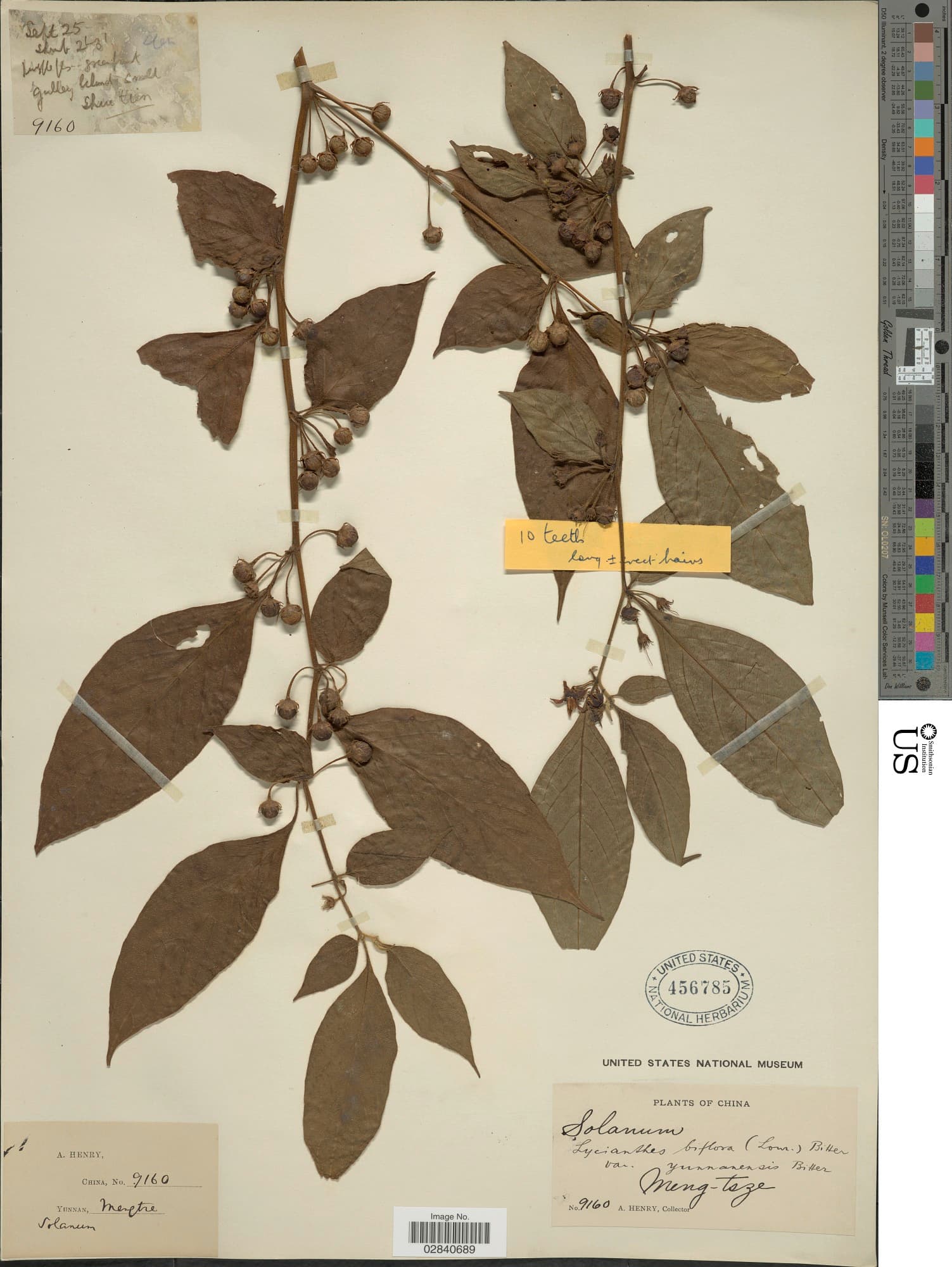
Solanum nummularium is a thorny, erect shrub typically growing 0.5-1.5 meters tall, characterized by its distinctive coin-shaped, densely hairy, grey-green leaves. It produces star-shaped purple flowers with prominent yellow anthers, followed by globular berries that ripen from green to yellow or orange.