Solanum morii
NameSolanum morii
Scientific NameSolanum morii
Plant FamilySolanaceae
Natural HabitatNative to wet to moist forests, forest edges, and disturbed areas of Central and South America, ranging from southern Mexico to Panama and parts of northern South America. It thrives in tropical and subtropical climates at lower to mid-elevations.
Parts Usedleaf,flower
Medicinal Actionsanti-inflammatory, antimicrobial, antioxidant, analgesic
Traditional UsesWhile specific traditional uses for Solanum morii are not widely documented, other species within the Solanum genus are traditionally used topically for skin conditions, wounds, and to alleviate pain and inflammation. Internal use of Solanum species is often associated with significant toxicity and is generally avoided or used with extreme caution.
Active Constituentssteroidal glycoalkaloids, flavonoids, saponins
Preparation Methodsinfusion, poultice
Contraindications & WarningsDue to the presence of potentially toxic steroidal glycoalkaloids common in the Solanum genus, internal use is strongly contraindicated. Avoid use during pregnancy, lactation, in children, and by individuals with gastrointestinal issues or those on medications that may interact with alkaloids. Topical use should be approached with caution.
Cultivation NotesThis plant prefers tropical to subtropical climates with moist, well-drained soil. It can tolerate a range from partial shade to full sun and is often found in disturbed habitats, indicating a degree of adaptability.
Rarityuncommon
Description
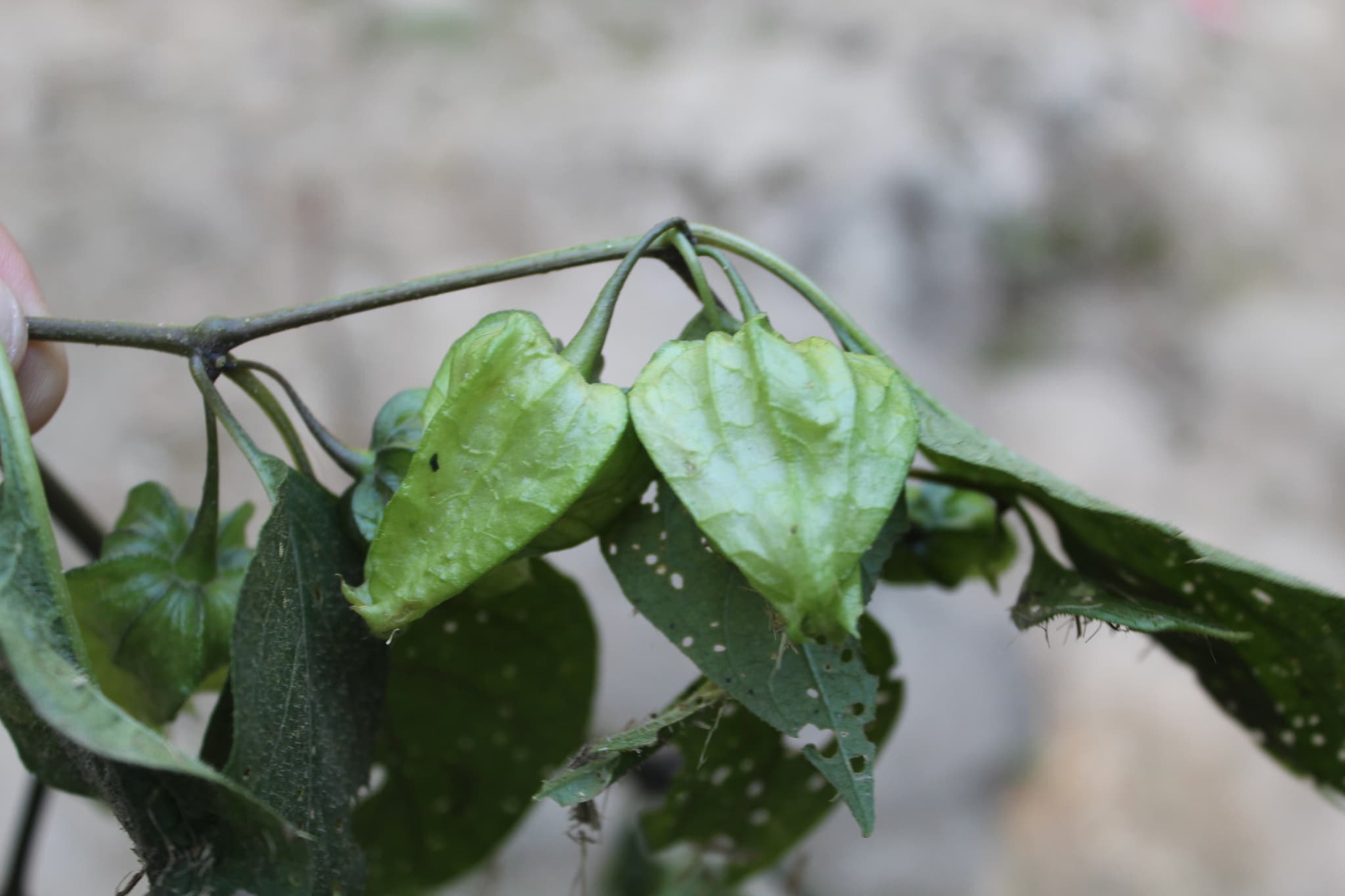
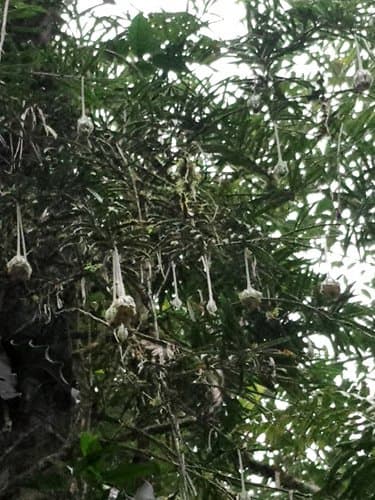
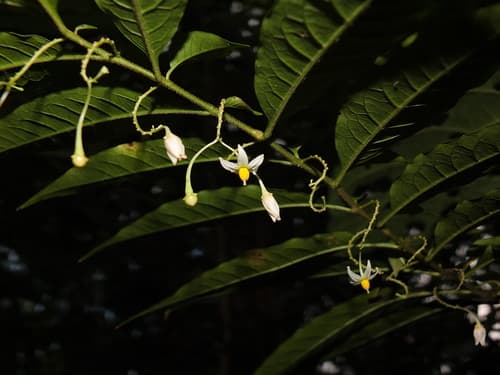
Solanum morii is a woody vine or scrambling shrub characterized by its alternate, simple, ovate to elliptic leaves. It produces star-shaped flowers, typically white to pale cream, with prominent yellow anthers forming a central cone, borne in cymose inflorescences.