Solanum microphyllum
NameSolanum microphyllum
Scientific NameSolanum microphyllum
Plant FamilySolanaceae
Natural HabitatThis species is native to dry inter-Andean valleys and arid to semi-arid regions of South America, particularly in Peru, Bolivia, and Ecuador, often found on rocky slopes or disturbed areas.
Parts Usedleaf
Medicinal Actionsanti-inflammatory, analgesic
Traditional UsesSpecific traditional medicinal uses for Solanum microphyllum are not widely documented in readily available ethnobotanical literature. However, other species within the Solanum genus are traditionally used for their anti-inflammatory and analgesic properties, often applied externally for skin conditions or pain relief, though with caution due to potential toxicity.
Active Constituentssteroidal glycoalkaloids
Preparation Methodspoultice, infusion
Contraindications & WarningsAs with many Solanum species, Solanum microphyllum likely contains steroidal glycoalkaloids which can be toxic. Internal use should be avoided without expert guidance. Contraindications generally include pregnancy, lactation, children, and individuals with known sensitivities to plants in the Solanaceae family.
Cultivation NotesSolanum microphyllum prefers full sun and well-drained soil, thriving in arid or semi-arid conditions. It is generally drought-tolerant once established and can be propagated by seed.
Rarityuncommon
Description
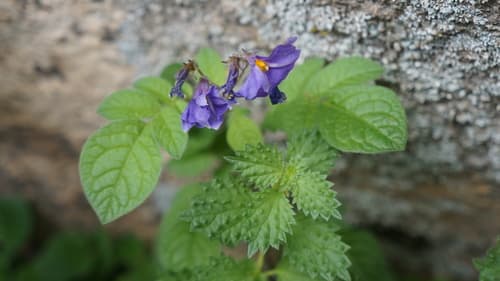
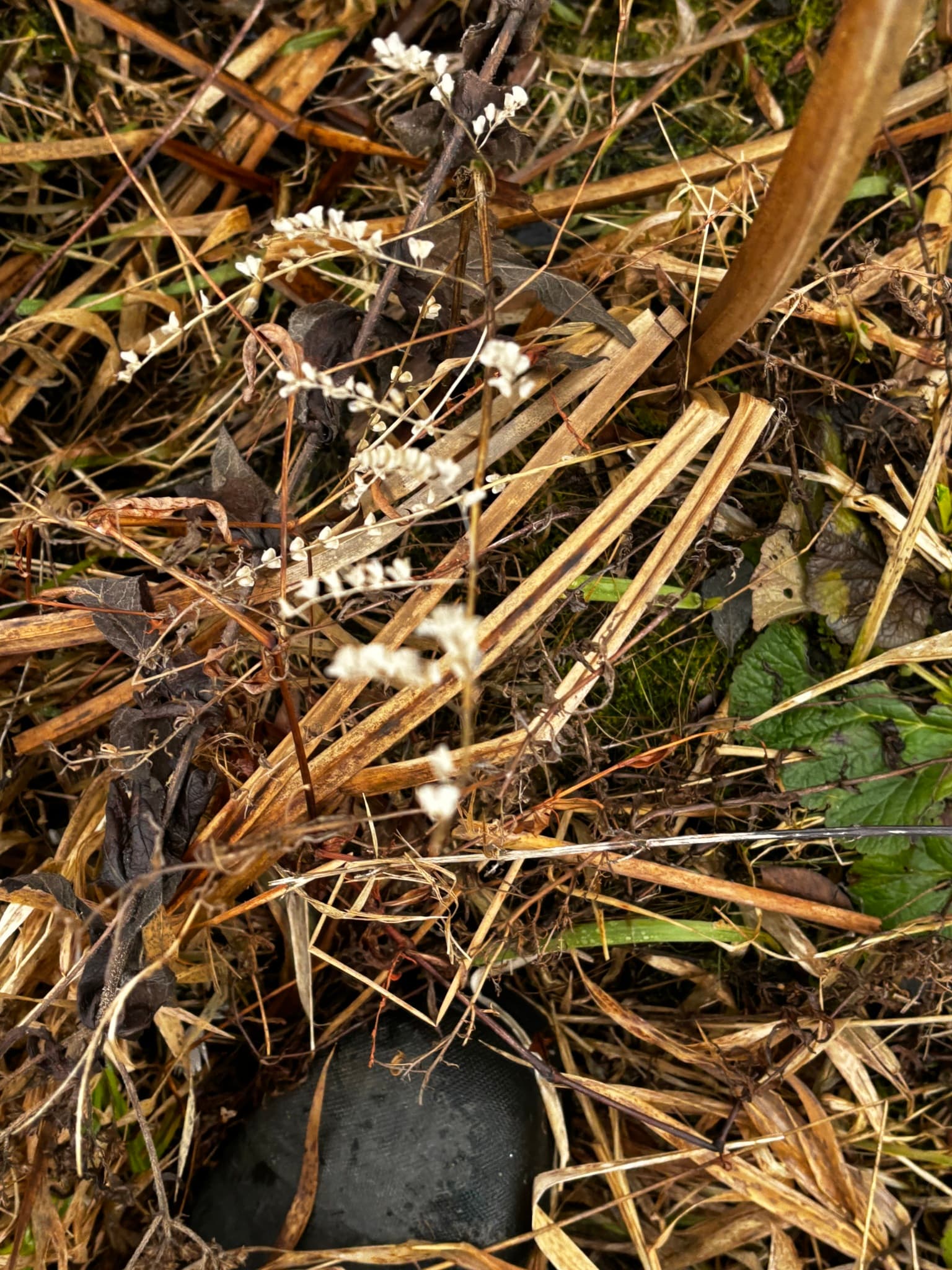
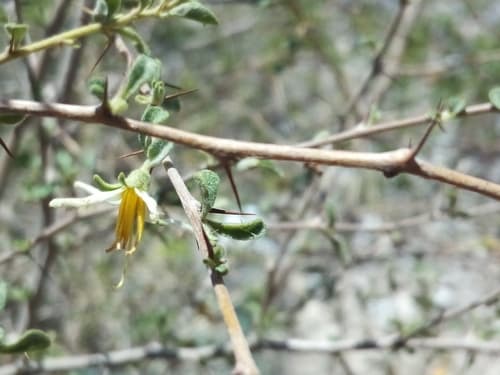
Solanum microphyllum is a thorny, often pubescent shrub characterized by small leaves and typical Solanum flowers with white petals and prominent yellow anthers. It produces small berries, though these are not visible in the provided image.