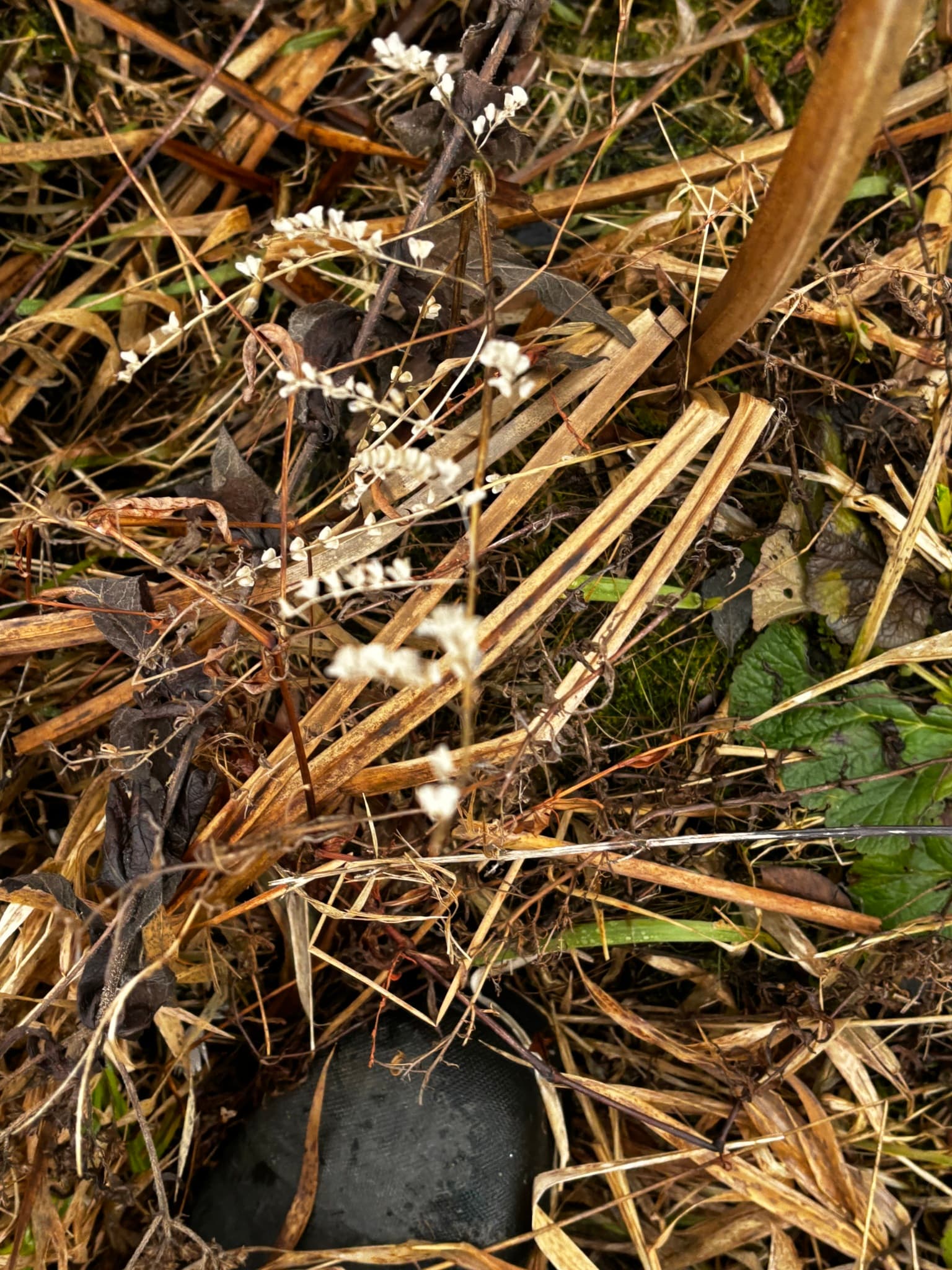
Skullcap
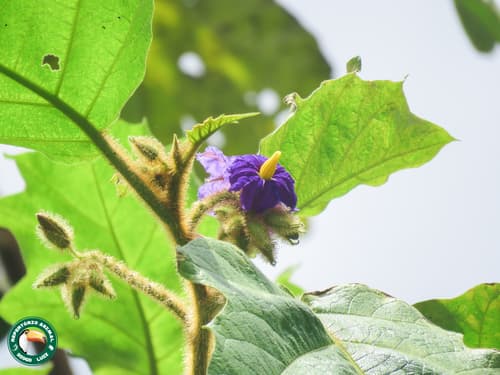
Image: janelew (cc-by-nc)
NameSkullcap
Scientific NameScutellaria lateriflora
Common NamesAmerican Skullcap, Blue Skullcap, Mad-dog Skullcap, Side-flowering Skullcap, Virginian Skullcap
Plant FamilyLamiaceae
Natural HabitatNative to North America, it thrives in moist woodlands, meadows, marshes, and along stream banks, preferring partial shade to full sun. It is often found in damp, rich soils.
Parts Usedleaf,flower,whole_plant
Medicinal Actionsnervine, sedative, anti-inflammatory, antioxidant
Traditional UsesTraditionally used as a nervine tonic to calm the nervous system, reduce anxiety, alleviate insomnia, and ease nervous tension. It was also historically used for conditions like epilepsy, hysteria, and as a mild sedative.
Active ConstituentsFlavonoids (scutellarin, baicalin, wogonin), Iridoids, Tannins, Volatile oils
Preparation Methodsinfusion, tincture, powder
Contraindications & WarningsMay cause drowsiness; caution with sedatives or alcohol. Not recommended for pregnant or breastfeeding women. High doses may cause dizziness, stupor, or seizures.
Cultivation NotesPrefers moist, well-drained soil and partial shade. Can be grown from seed or root division. Requires consistent moisture, especially during dry periods.
Raritycommon
Description
American Skullcap is a perennial herbaceous plant growing up to 2-3 feet tall, characterized by square stems and opposite, ovate to lanceolate leaves with serrated margins. It produces small, tubular, blue-violet flowers arranged in racemes along one side of the stem, giving it its 'side-flowering' epithet.