Solanum microleprodes
NameSolanum microleprodes
Scientific NameSolanum microleprodes
Plant FamilySolanaceae
Natural HabitatNative to tropical and subtropical regions of South America, particularly Brazil, often found in disturbed areas, forest margins, and open woodlands.
Parts Used
Traditional UsesThere are no widely documented traditional medicinal uses for Solanum microleprodes. Many species within the Solanum genus are known for their toxicity due to glycoalkaloids, and specific medicinal applications for this particular species are not well-established in ethnobotanical literature.
Active ConstituentsSteroidal glycoalkaloids
Contraindications & WarningsDue to the presence of steroidal glycoalkaloids common in the Solanum genus, all parts of Solanum microleprodes should be considered potentially toxic if ingested. Consumption can lead to gastrointestinal upset, neurological symptoms, and other adverse effects.
Cultivation NotesThrives in warm, humid climates with well-drained soil and full sun to partial shade. It can be propagated by seed or cuttings.
Raritycommon
Description
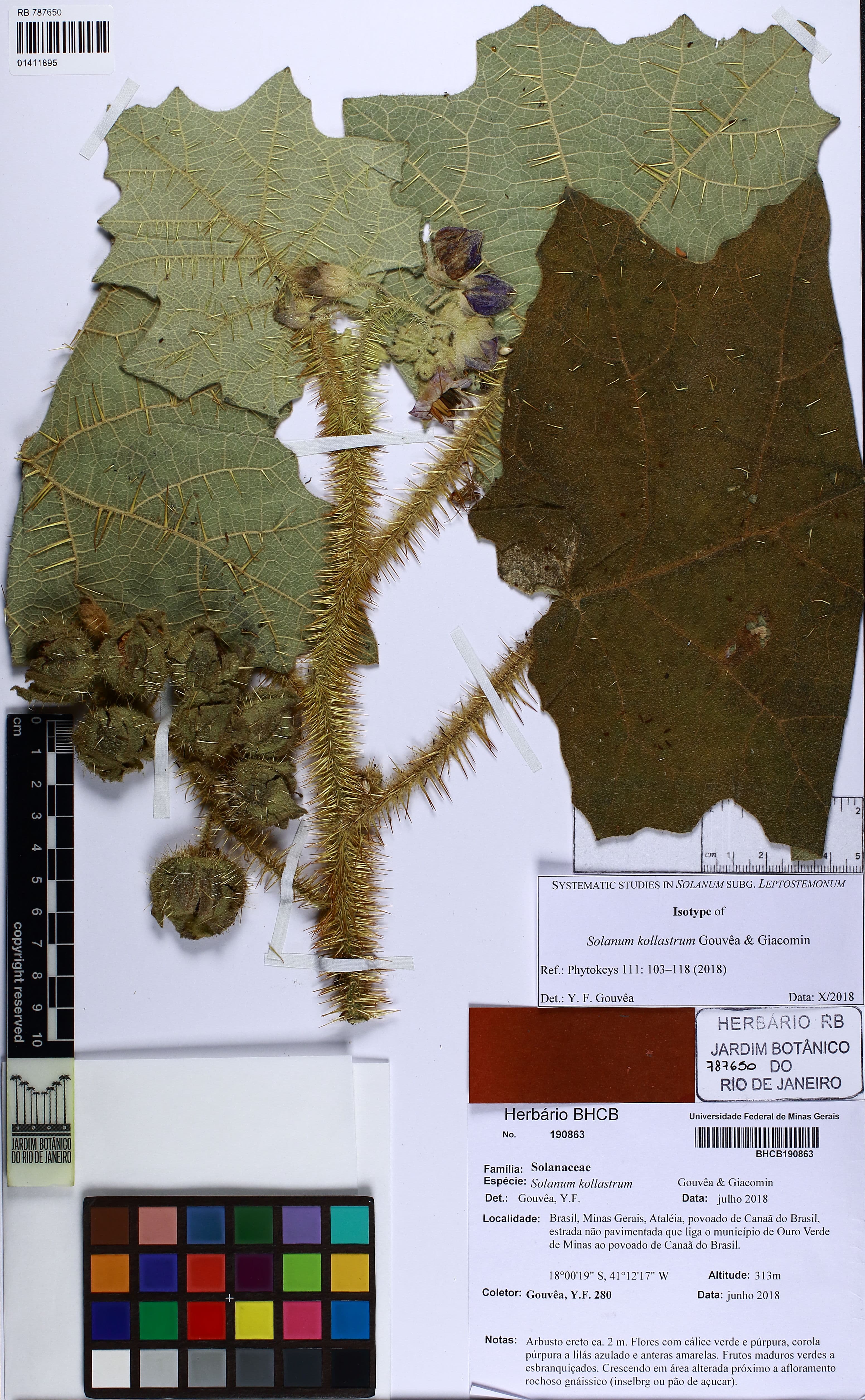
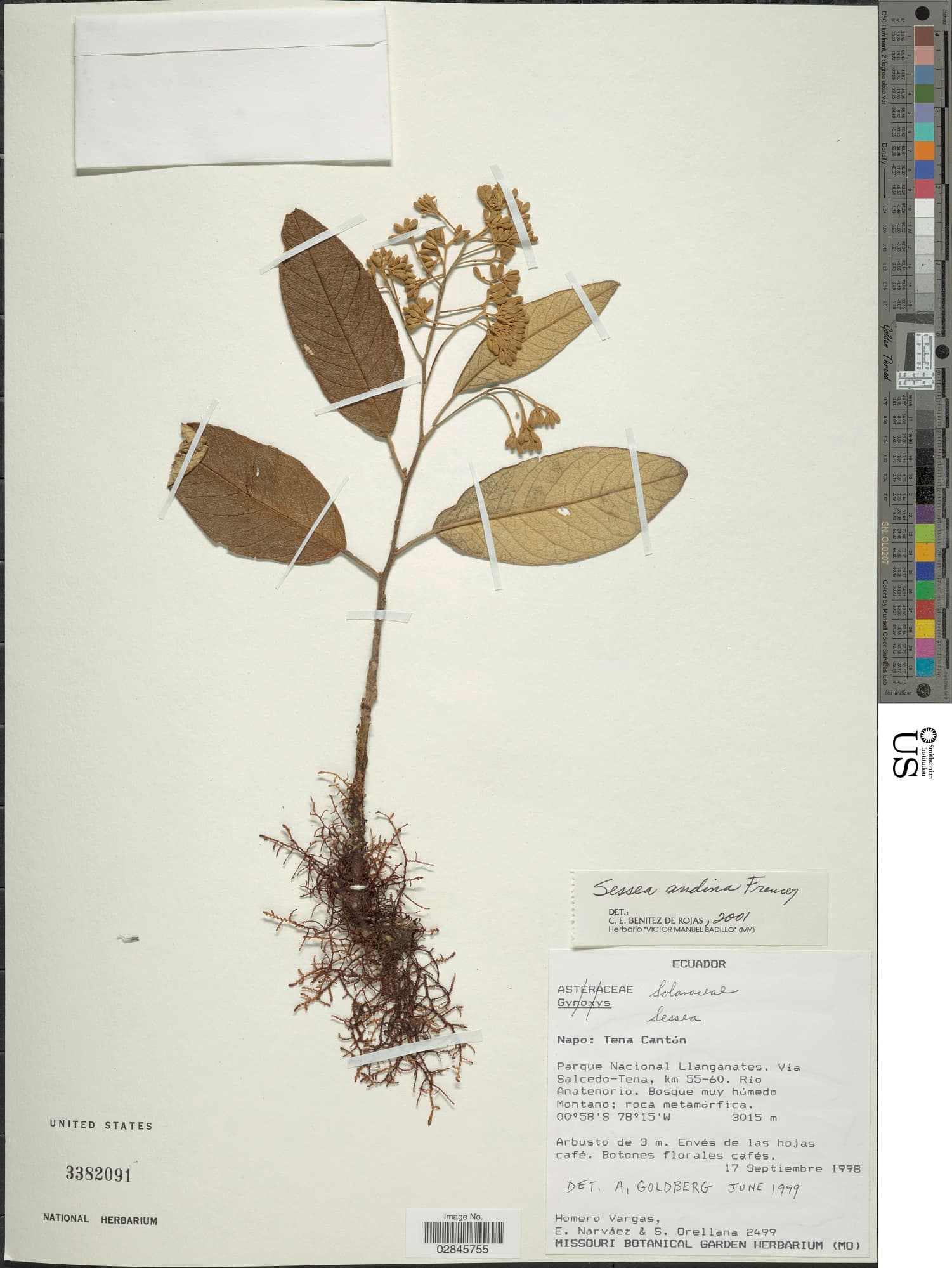
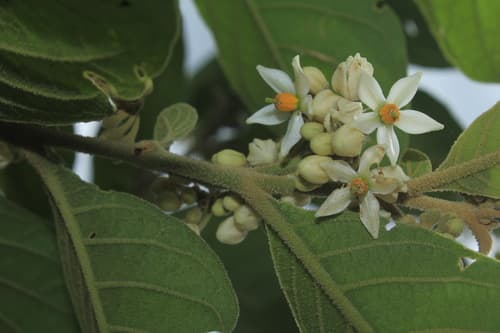
Solanum microleprodes is a shrub or small tree characterized by its simple, ovate leaves, which are often covered in fine hairs, giving them a velvety texture. It produces clusters of small, star-shaped white flowers with prominent yellow anthers, which develop into berries.