Solanum melissarum
NameSolanum melissarum
Scientific NameSolanum melissarum
Common NamesLemon Nightshade
Plant FamilySolanaceae
Natural HabitatNative to the Atlantic Forest biome of Brazil, it typically grows in humid, subtropical to tropical forests, often found in disturbed areas or forest edges.
Parts Usedfruit,leaf
Medicinal Actionsanti-inflammatory, antimicrobial
Traditional UsesTraditional uses for Solanum melissarum are not widely documented in common ethnobotanical databases. However, other Solanum species are traditionally used for various ailments, including skin conditions, pain relief, and fever, often with careful preparation due to potential toxicity. Some Solanum fruits are consumed, while leaves might be used topically.
Active Constituentssteroidal glycoalkaloids, flavonoids
Preparation Methodsdecoction, poultice
Contraindications & WarningsDue to the presence of steroidal glycoalkaloids, ingestion of Solanum melissarum can be toxic. It is contraindicated for pregnant or lactating individuals, young children, and those with pre-existing liver or kidney conditions. Consultation with a qualified herbalist or medical professional is essential before any use.
Cultivation NotesThis species thrives in warm, humid, subtropical to tropical climates with well-drained, fertile soil. It prefers partial to full sun exposure and benefits from consistent moisture.
Rarityuncommon
Description
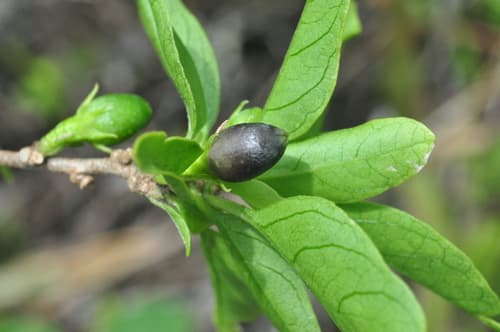
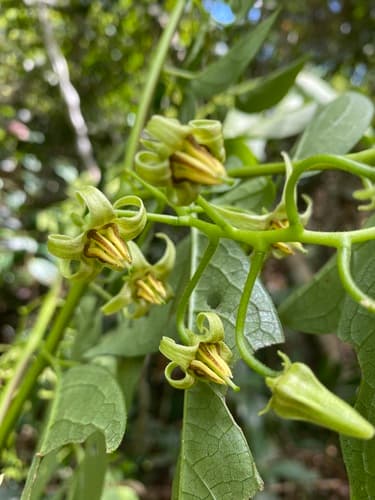
Solanum melissarum is a shrub or small tree characterized by its distinctive greenish-yellow flowers with recurved petals and prominent yellow stamens clustered in the center. Its leaves are typically simple, often with an undulate or slightly lobed margin, and it produces small, often spherical or ovoid fruits.