Solanum lidii
NameSolanum lidii
Scientific NameSolanum lidii
Common NamesLid's Nightshade
Plant FamilySolanaceae
Natural HabitatThis species is endemic to Gran Canaria in the Canary Islands, typically found in arid to semi-arid scrublands, ravines, and coastal areas, often on rocky or sandy soils.
Parts Usedwhole_plant
Medicinal Actionsanti-inflammatory
Traditional UsesThere are no widely documented traditional medicinal uses for Solanum lidii. Like many species in the Solanum genus, it is presumed to contain steroidal glycoalkaloids and is generally considered potentially toxic if ingested. Any use would be highly localized and require expert knowledge due to inherent risks.
Active ConstituentsSteroidal glycoalkaloids (e.g., solanine-like compounds)
Preparation Methodspoultice
Contraindications & WarningsSolanum lidii is highly likely to be toxic if ingested due to the presence of steroidal glycoalkaloids. Avoid internal consumption. Skin contact may cause irritation in sensitive individuals. No safe medicinal uses are documented, and its use is not recommended.
Cultivation NotesThis drought-tolerant shrub thrives in full sun and well-drained soil. It is propagated by seeds or cuttings and is often grown for its ornamental value in suitable climates.
Rarityuncommon
Description
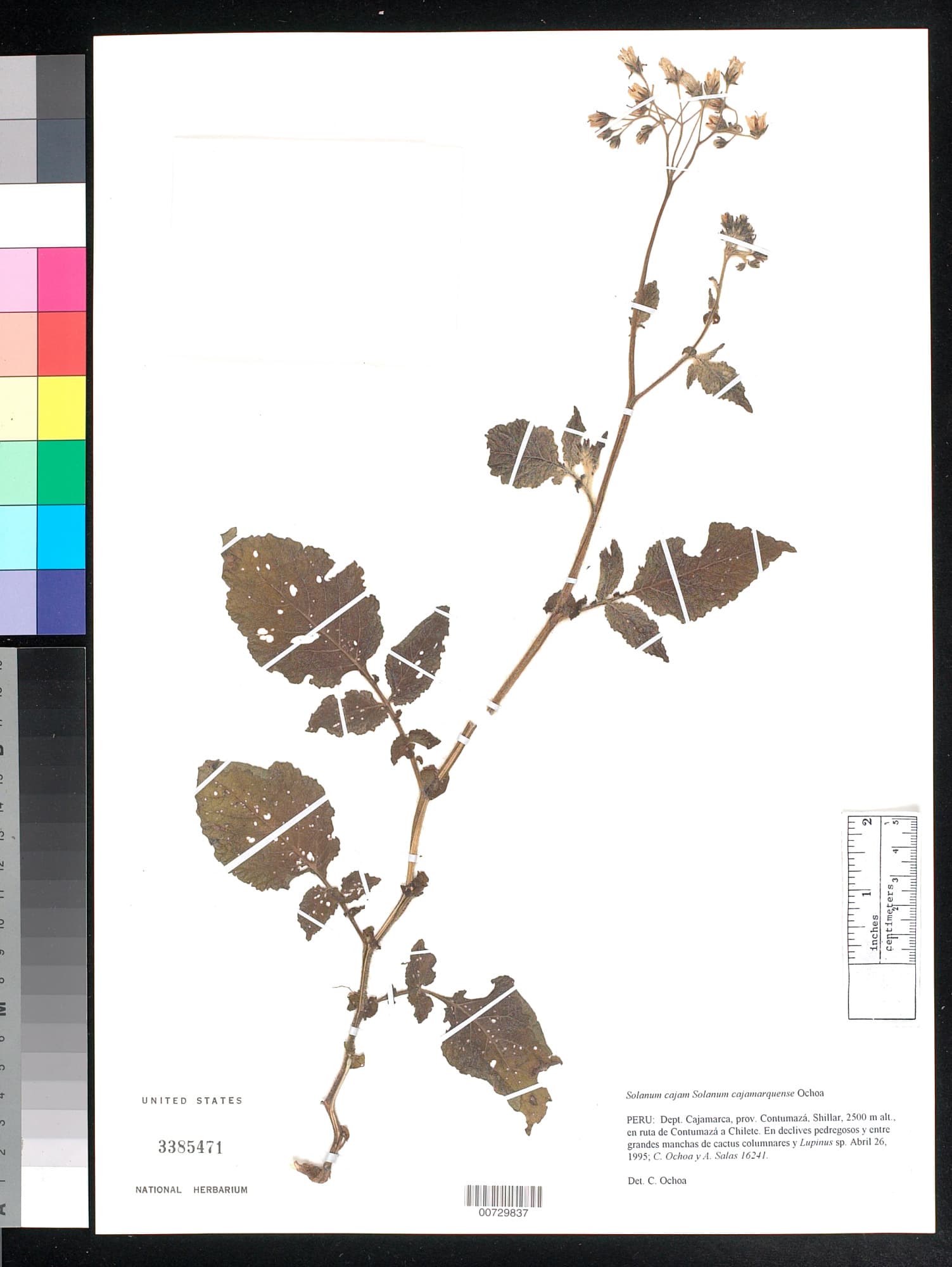
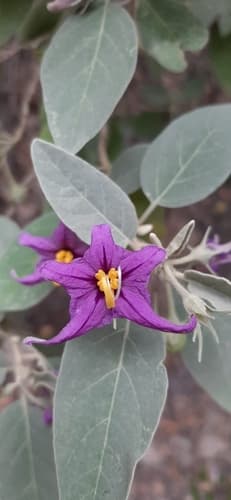
Solanum lidii is an endemic shrub or subshrub characterized by its silvery-green, ovate to lanceolate leaves, often covered in fine hairs. It produces striking star-shaped flowers with five vibrant purple petals and prominent yellow anthers clustered in the center.