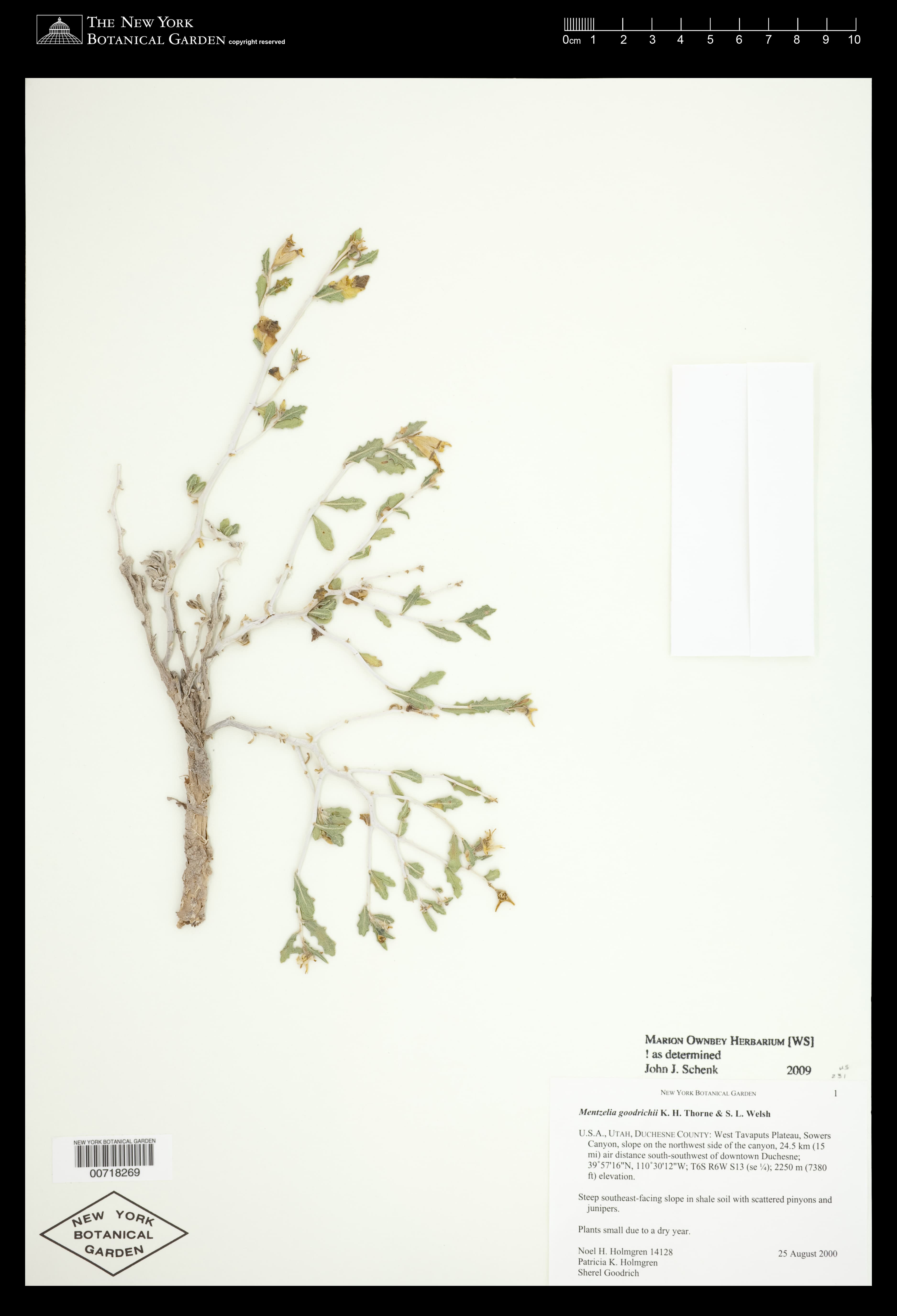
Solanum jucundum
NameSolanum jucundum
Scientific NameSolanum jucundum
Common NamesNone widely recognized
Plant FamilySolanaceae
Natural HabitatNative to South America, particularly Brazil, where it thrives in open, disturbed areas, grasslands, and forest edges.
Parts Usedleaf,fruit
Medicinal Actionsanti-inflammatory, antimicrobial, diuretic
Traditional UsesTraditional medicinal uses for Solanum jucundum are not well-documented. However, some related Solanum species have been historically used externally for skin inflammations and pain, and internally as diuretics, always with extreme caution due to their inherent toxicity.
Active ConstituentsSteroidal glycoalkaloids, Solanine, Solamargine
Preparation Methodspoultice, decoction
Contraindications & WarningsAll parts of Solanum jucundum are considered toxic due to the presence of steroidal glycoalkaloids. Ingestion can cause severe gastrointestinal upset, neurological symptoms, and can be fatal. Not recommended for internal use without expert supervision. Avoid during pregnancy and lactation.
Cultivation NotesPrefers full sun to partial shade and well-drained soil. It is generally tolerant of various growing conditions typical of its native South American habitats.
Rarityuncommon
Description
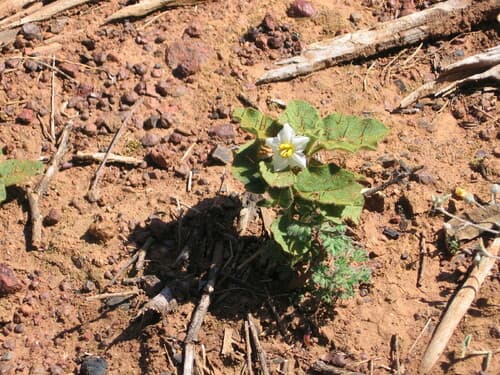
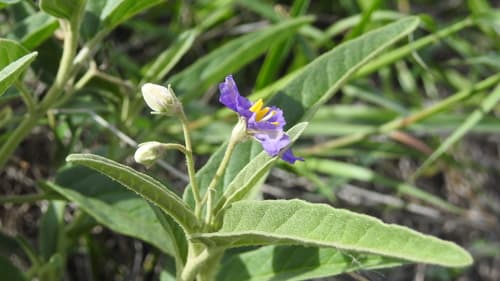
Solanum jucundum is a perennial herb or subshrub characterized by its hairy, ovate to lanceolate leaves and distinctive purple, star-shaped flowers with prominent yellow anthers. It typically grows up to 1 meter tall, displaying the classic floral morphology of the Solanum genus.