Cestrum pulverulentum
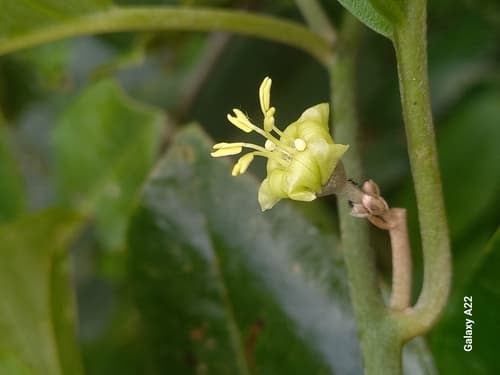
Image: s.coll. (cc-by)
NameCestrum pulverulentum
Scientific NameCestrum pulverulentum
Plant FamilySolanaceae
Natural HabitatNative to the Central Andes of Popayán, Colombia, typically found growing at elevations ranging from 2600 to 3000 meters above sea level.
Parts Usedleaf,flower
Medicinal Actionsanalgesic, anti-inflammatory
Traditional UsesIn traditional medicine, some Cestrum species, including C. pulverulentum, have been used in parts of South America for treating fever and pain. However, due to the inherent toxicity of the genus, such applications are often external or require extreme caution and specific, controlled preparation methods.
Active Constituentssteroidal glycoalkaloids, saponins
Preparation Methodspoultice, decoction
Contraindications & WarningsThis plant is highly toxic; ingestion can lead to severe poisoning, including gastrointestinal distress, neurological symptoms, and cardiac issues. It is not recommended for internal use without expert supervision due to the presence of potent steroidal glycoalkaloids. Avoid use during pregnancy and lactation.
Cultivation NotesPrefers high-altitude, cool-temperate to subtropical climates. Requires well-drained soil and can tolerate a range of light conditions. Propagation is typically achieved through seeds or cuttings.
Rarityuncommon
Description
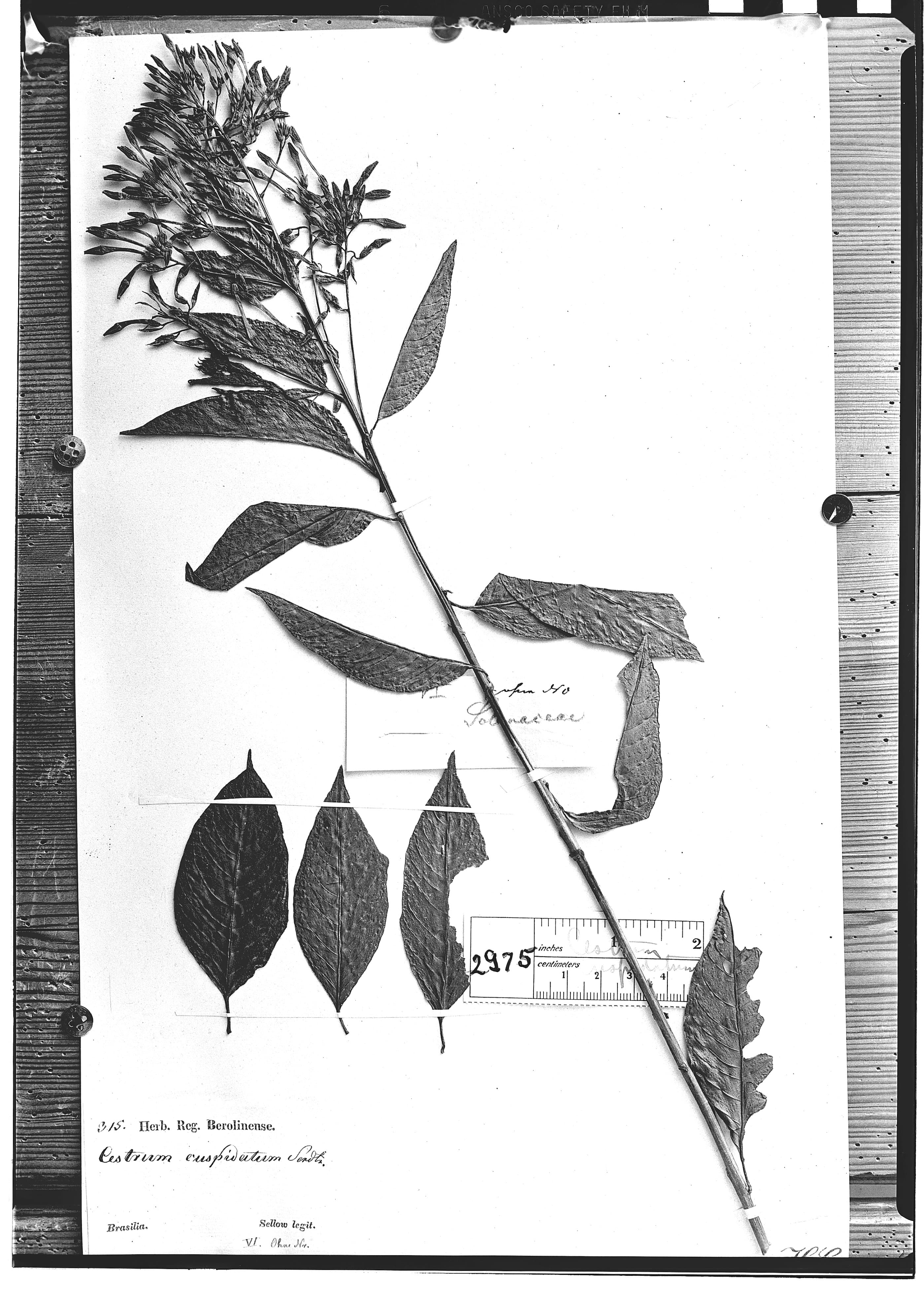
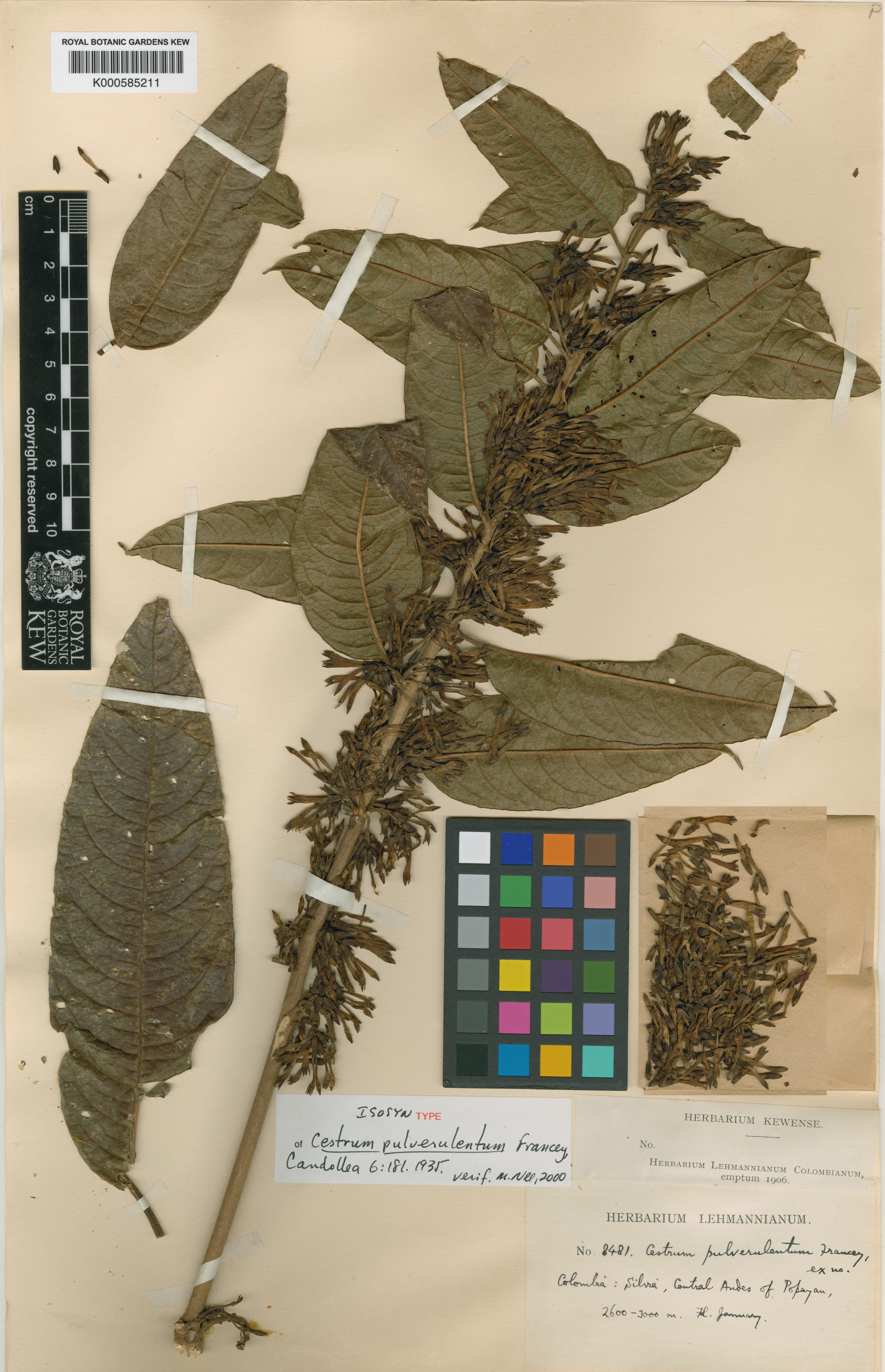
Cestrum pulverulentum is a woody shrub or small tree, characterized by alternate, ovate-lanceolate leaves with prominent venation. The plant produces dense clusters of flowers or fruits in axillary and terminal inflorescences, often appearing with a powdery indumentum. The specimen displays dried leaves and inflorescences.