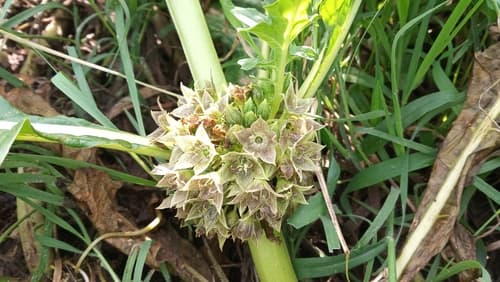
Solanum helix
NameSolanum helix
Scientific NameSolanum helix
Common NamesWild Nightshade (generic for Solanum)
Plant FamilySolanaceae
Natural HabitatAs a member of the Solanum genus, it likely thrives in a variety of habitats ranging from disturbed areas to woodlands, often found in temperate to tropical regions.
Parts Usedfruit,leaf
Medicinal Actionsanalgesic, anti-inflammatory
Traditional UsesWhile specific traditional uses for 'Solanum helix' are not widely documented under this exact binomial, various species within the *Solanum* genus have been traditionally used for their analgesic and anti-inflammatory properties, often applied topically for skin conditions, pain, or swelling. Internal use is rare and highly cautioned due to the inherent toxicity of many Solanum species.
Active ConstituentsSteroidal glycoalkaloids (e.g., solanine, solasodine)
Preparation Methodspoultice, infusion
Contraindications & WarningsHIGHLY TOXIC. All parts of many *Solanum* species are poisonous if ingested, especially the unripe fruits. Contraindicated in pregnancy, lactation, children, and individuals with liver or kidney conditions. May interact with CNS depressants. Use with extreme caution and only under expert guidance, primarily for external applications.
Cultivation NotesCultivation notes for 'Solanum helix' are not specifically documented. However, many *Solanum* species are adaptable, growing in various soil types from well-drained to moist, and tolerating a range of light conditions from full sun to partial shade.
Rarityuncommon
Description
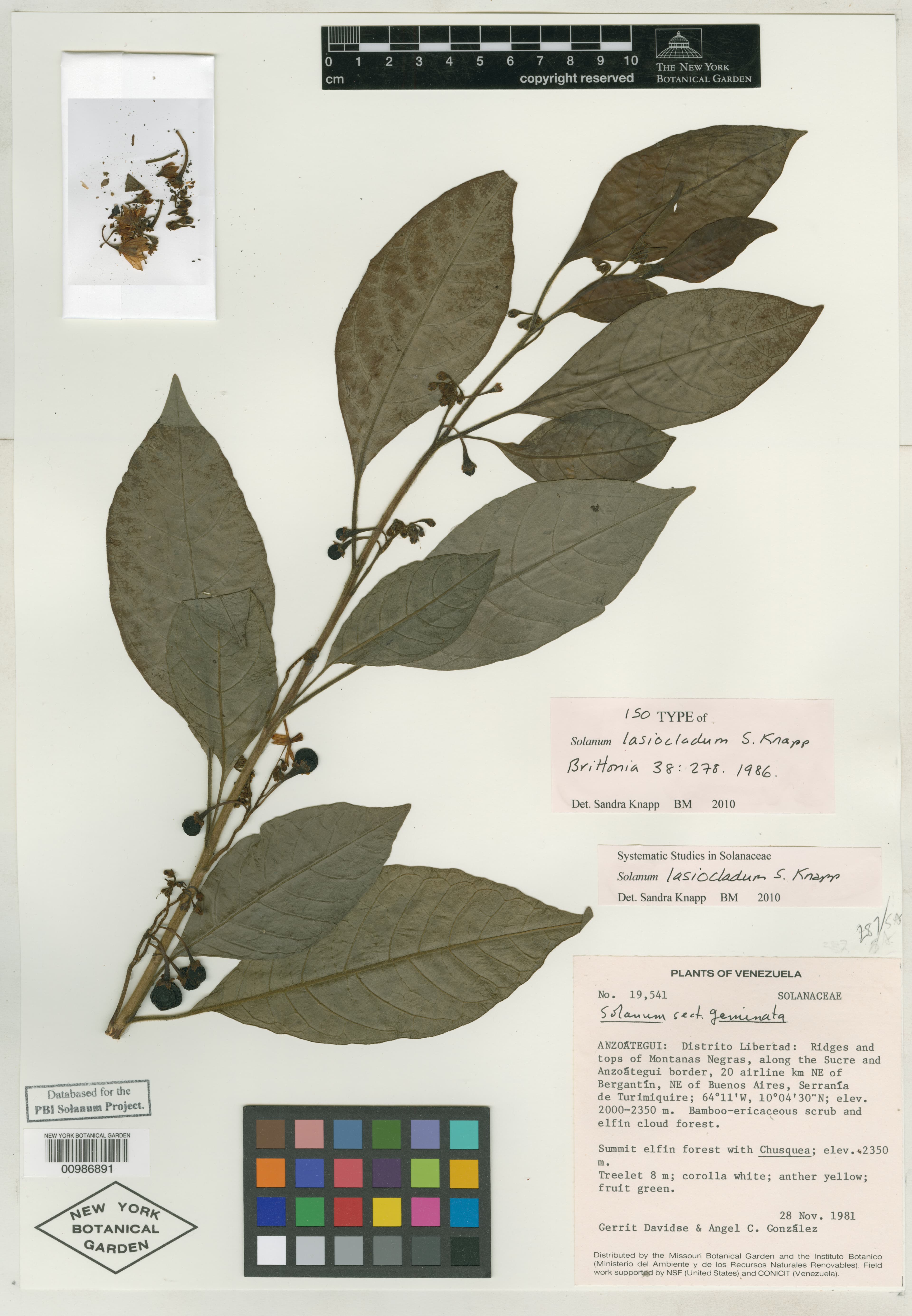
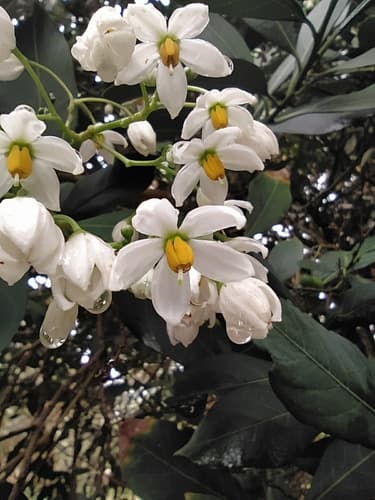
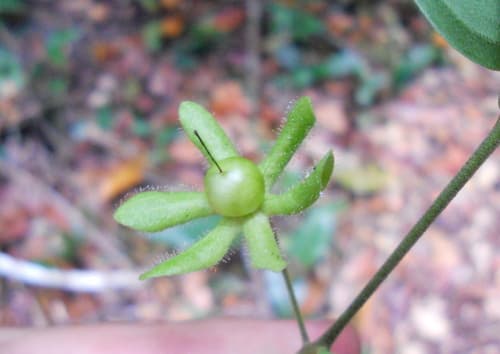
A plant producing small, green, spherical berries, typically subtended by a persistent, star-shaped calyx with five hairy sepals. The stem is slender and green, characteristic of the Solanum genus.