Solanum dunalianum
NameSolanum dunalianum
Scientific NameSolanum dunalianum
Plant FamilySolanaceae
Natural HabitatNative to tropical regions, specifically found in disturbed areas such as roadsides at low altitudes (around 10 meters) in places like the Madang area of Papua New Guinea.
Parts Usedroot,bark
Medicinal Actionsanti-inflammatory, analgesic, antimicrobial
Traditional UsesSpecific traditional medicinal uses for Solanum dunalianum are not widely documented in general ethnobotanical literature. However, other species within the Solanum genus are traditionally used for their anti-inflammatory, analgesic, and antimicrobial properties, often applied to treat pain, inflammation, and skin conditions. The root and bark of S. dunalianum are noted for their distinct characteristics, suggesting potential traditional applications.
Active ConstituentsSteroidal glycoalkaloids
Preparation Methodsdecoction, powder, poultice
Contraindications & WarningsMany Solanum species contain toxic steroidal glycoalkaloids, which can cause gastrointestinal upset, neurological symptoms, and other adverse effects if ingested in large quantities or improperly prepared. Specific contraindications for Solanum dunalianum are not well-documented, but caution is advised due to potential toxicity common in the genus.
Cultivation NotesPrefers tropical climates and can tolerate disturbed soils. Thrives in full sun to partial shade. Propagation is likely by seed or cuttings.
Raritycommon
Description
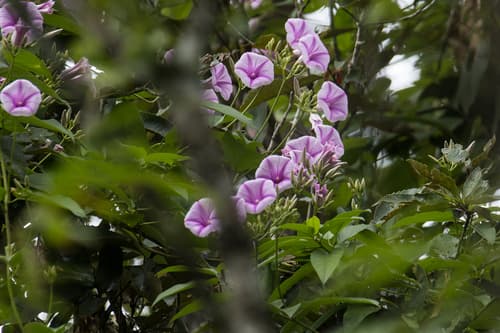
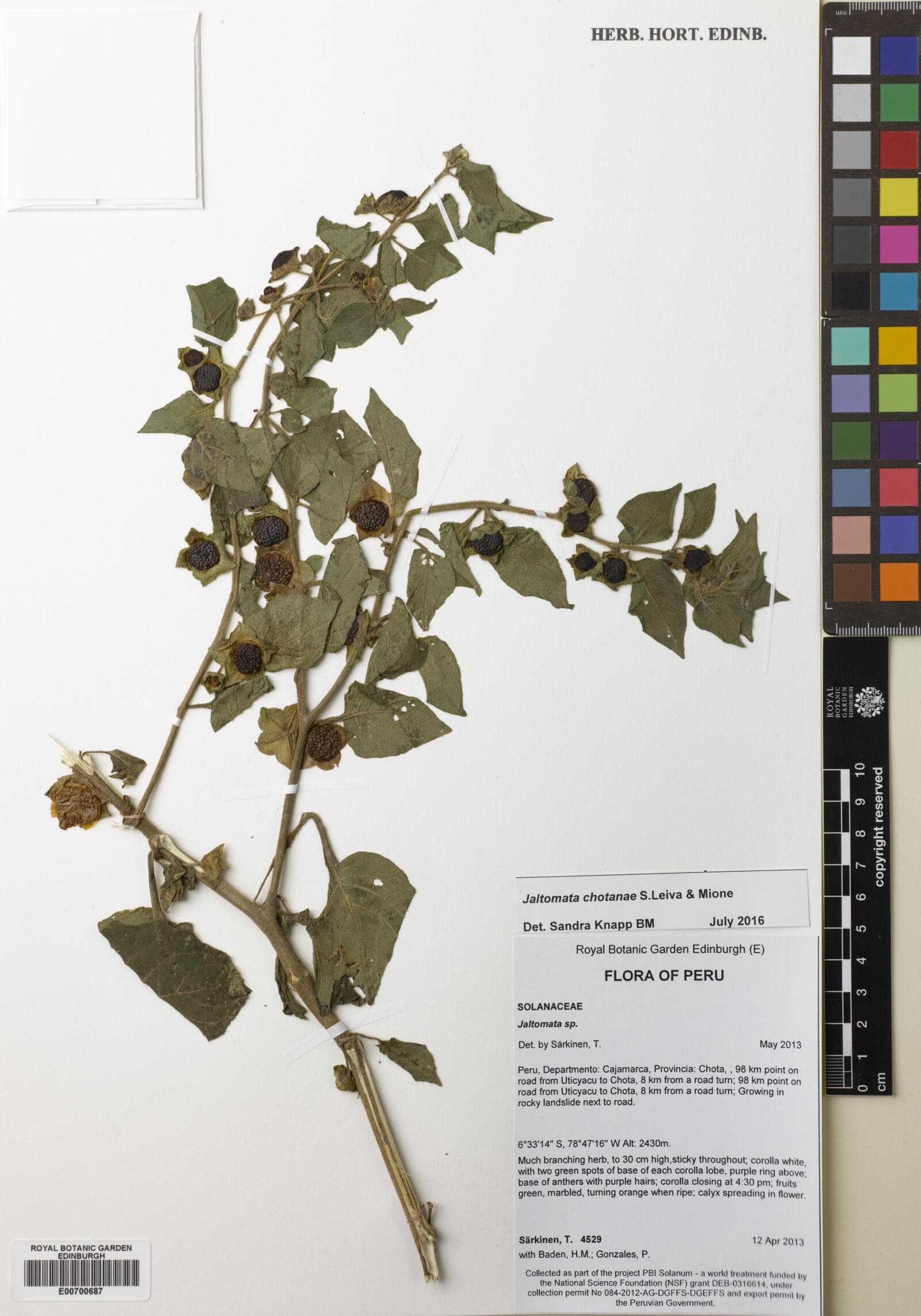
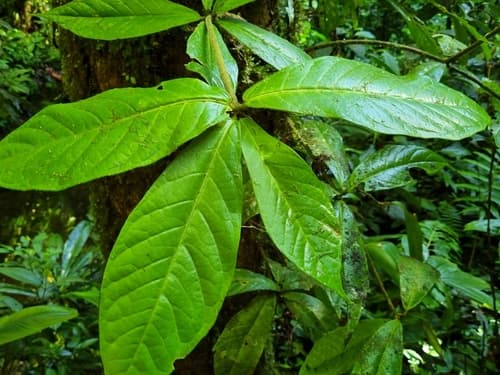
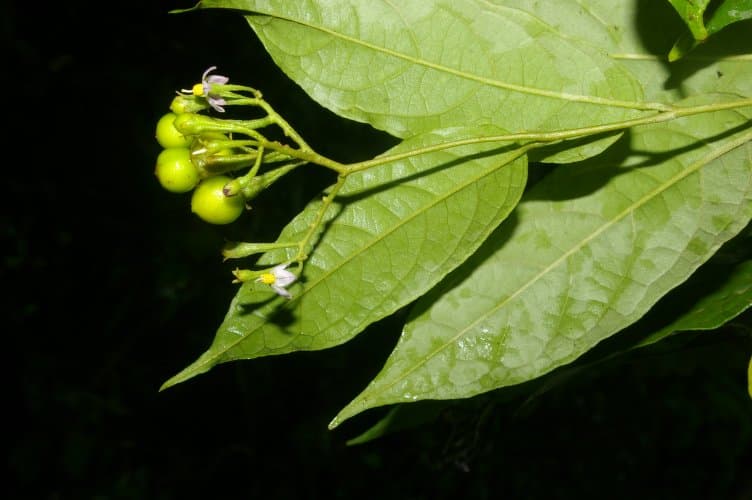
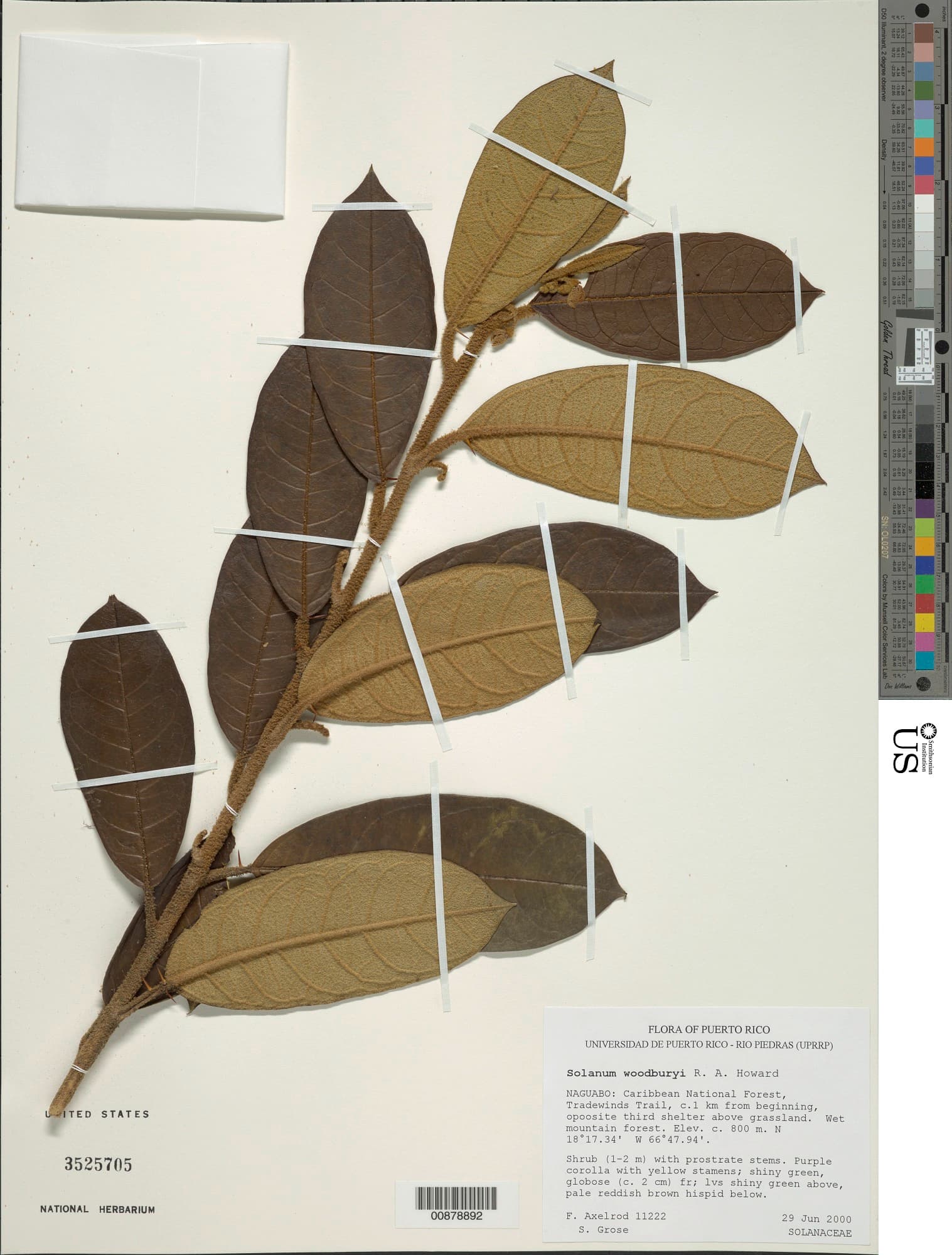
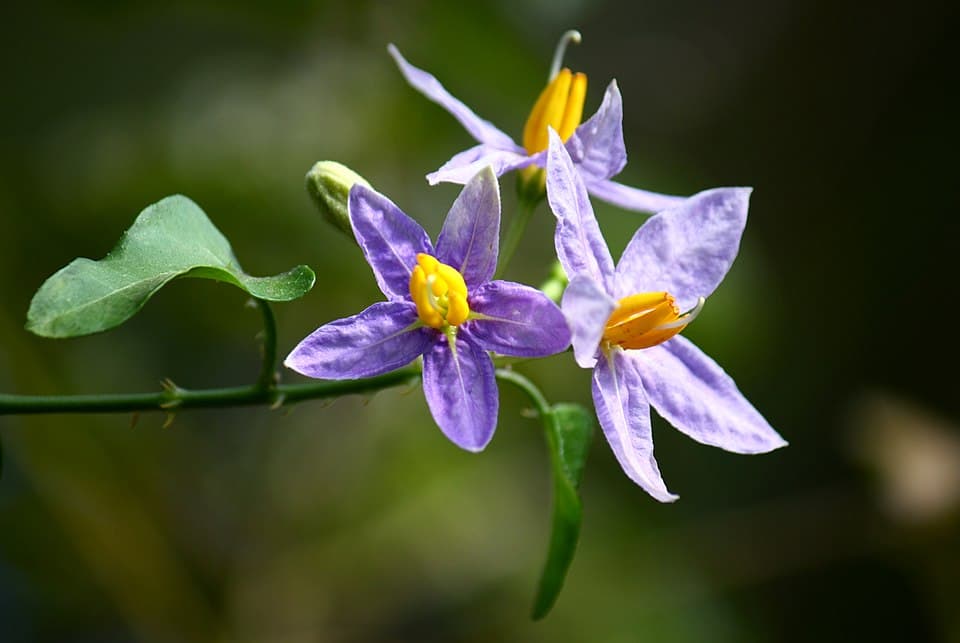
A shrub typically growing up to 2 meters tall, characterized by stems that may or may not be spiny. It features large, ovate leaves and produces depressed, light green fruits. The bark is described as white to light brown and green, with a finely grooved texture, and the root bark is noted for its chocolate brown color and fragrant quality.