Solanum dissimile
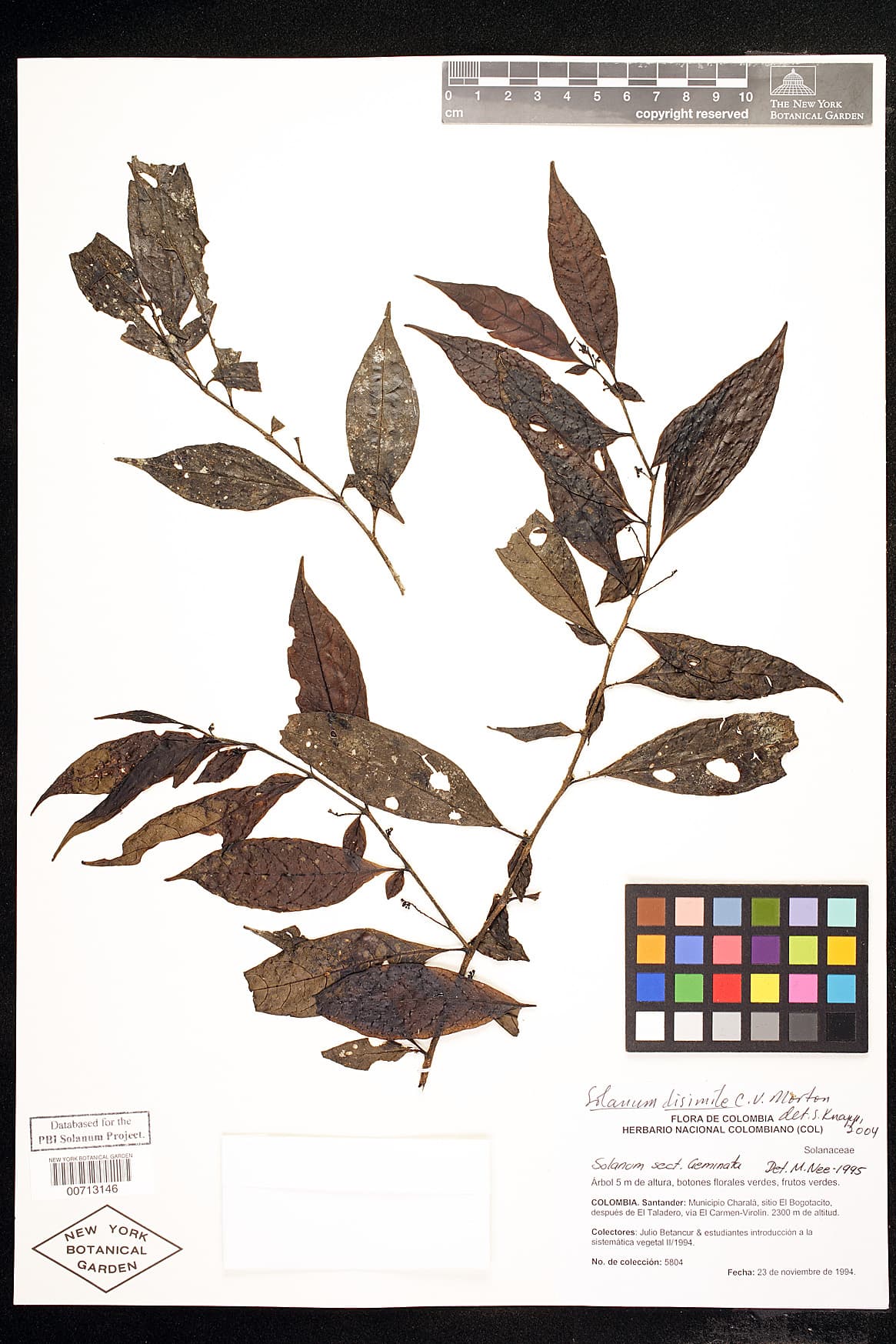
Image: The New York Botanical Garden (cc-by)
NameSolanum dissimile
Scientific NameSolanum dissimile C.V.Morton
Common NamesNone widely documented for this species
Plant FamilySolanaceae
Natural HabitatNative to montane regions of Colombia, specifically found at altitudes around 2300 meters in areas like Santander. It thrives in high-altitude tropical or subtropical forest environments.
Parts Usedwhole_plant
Medicinal Actionsanalgesic, anti-inflammatory
Traditional UsesWhile specific traditional uses for *Solanum dissimile* are not widely documented, many species within the *Solanum* genus are traditionally used in various cultures for their potential analgesic and anti-inflammatory properties, often applied topically for pain or swelling. However, due to the presence of potentially toxic compounds (glycoalkaloids) common in the genus, internal use is often approached with extreme caution or avoided, and specific preparation methods are crucial to mitigate toxicity.
Active Constituentssteroidal glycoalkaloids
Preparation Methodsdecoction, poultice
Contraindications & WarningsAs a member of the *Solanum* genus, *Solanum dissimile* is highly likely to contain steroidal glycoalkaloids, which can be toxic if ingested, especially the unripe fruits and leaves. Symptoms of toxicity can include gastrointestinal upset, neurological effects, and in severe cases, cardiac issues. Due to potential toxicity, internal use is strongly discouraged. Pregnant or nursing women, children, and individuals with liver or kidney conditions should avoid any use.
Cultivation NotesThis tropical tree species is adapted to montane environments, requiring a warm, humid climate with well-drained soil. It would likely thrive in conditions mimicking its natural habitat in the Colombian Andes. Propagation is typically from seed.
Rarityuncommon
Description
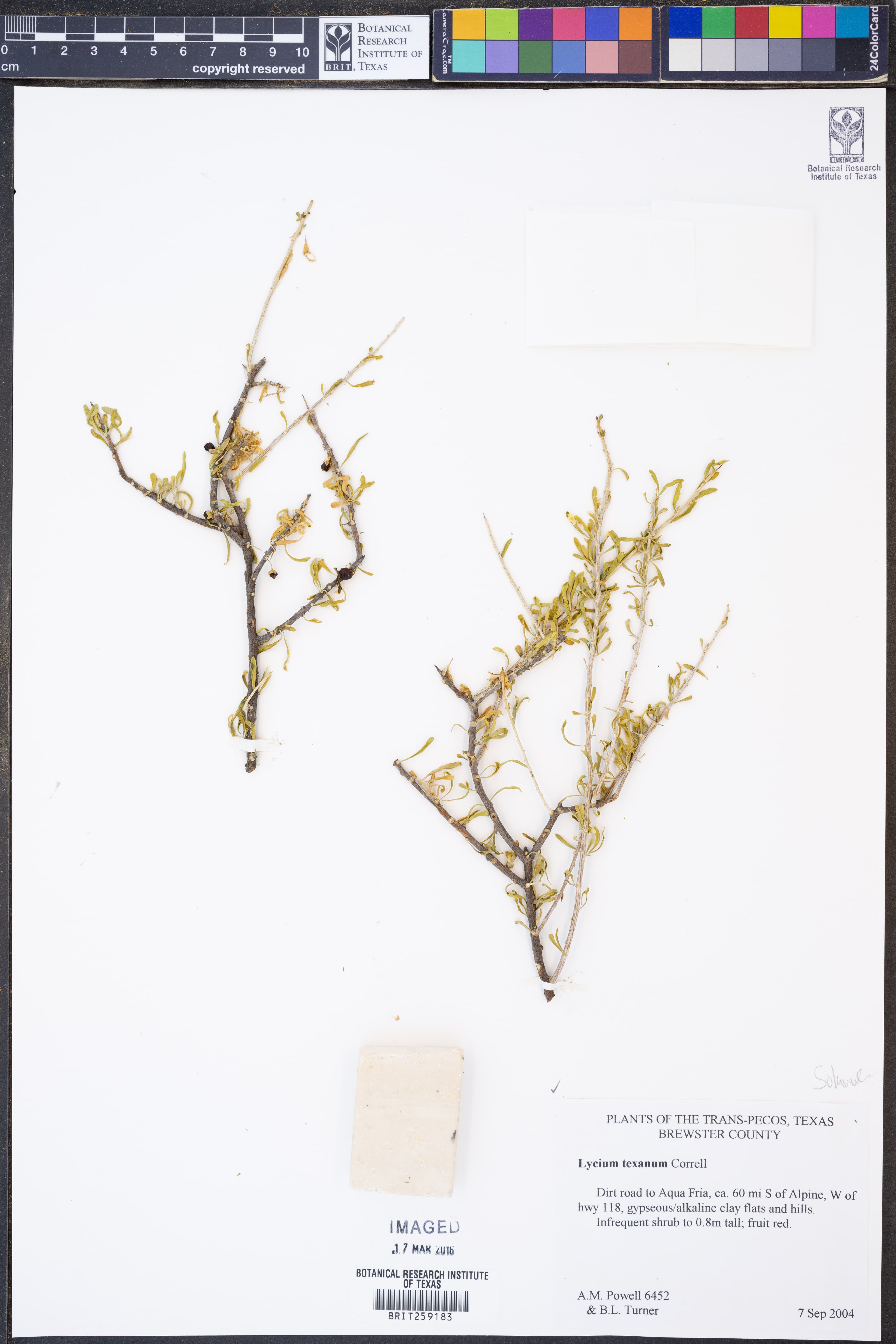
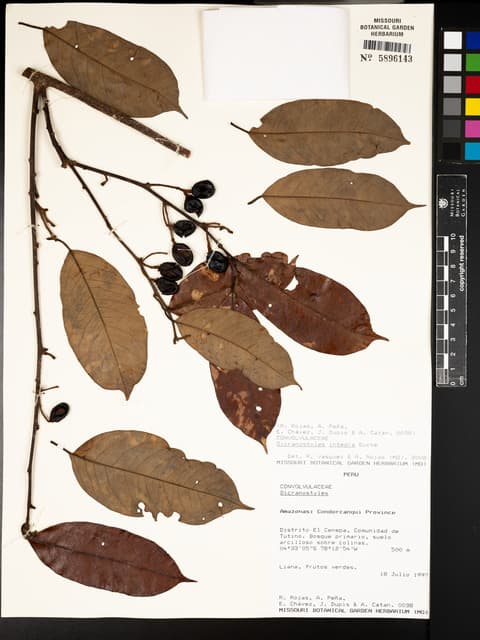
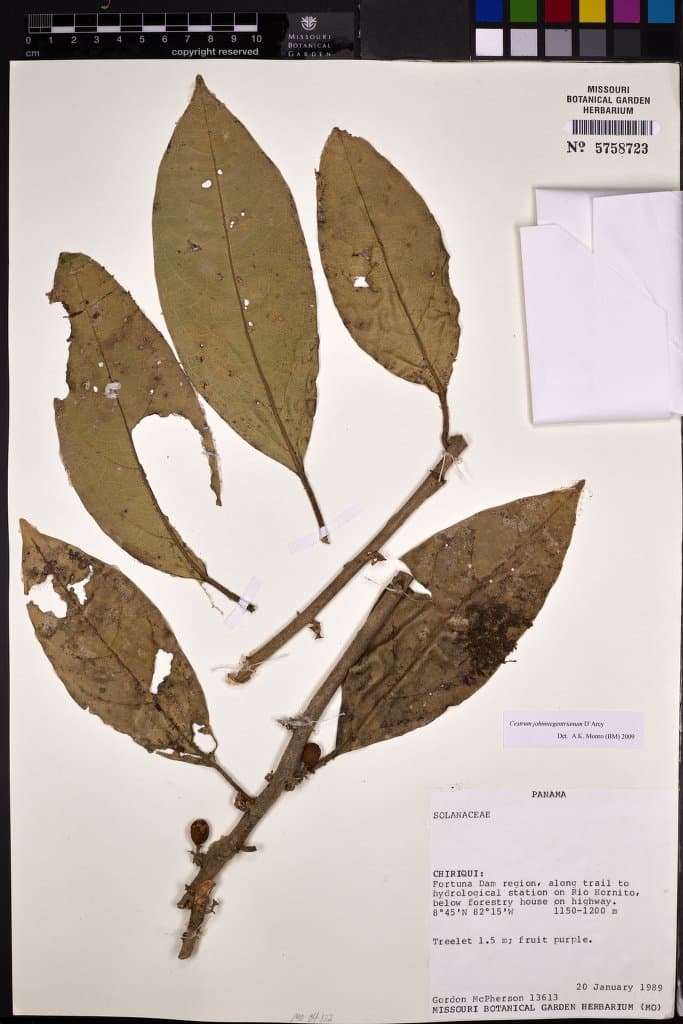
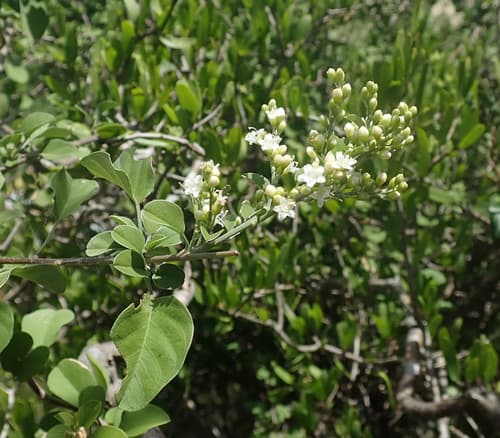
Solanum dissimile is a tree growing up to 5 meters tall, characterized by its simple, alternate leaves that are typically ovate to lanceolate with entire margins. The plant produces small, green flower buds and green fruits, as observed on herbarium specimens.