Prostrate Bindweed
NameProstrate Bindweed
Scientific NameConvolvulus scindicus
Common NamesProstrate Bindweed, Scindicus Bindweed
Plant FamilyConvolvulaceae
Natural HabitatNative to arid and semi-arid regions of North Africa, the Arabian Peninsula, and parts of Asia, growing in sandy soils, disturbed areas, roadsides, and desert margins.
Parts Usedwhole_plant,leaf,root
Medicinal Actionsantioxidant, antimicrobial, diuretic, anti-inflammatory
Traditional UsesTraditionally, various Convolvulus species, including C. scindicus in some folk medicine, are used as strong laxatives or purgatives to treat constipation. It has also been employed for fever, certain skin ailments, and as a diuretic.
Active ConstituentsResin glycosides, Flavonoids, Phenolic compounds
Preparation Methodsinfusion, decoction, powder
Contraindications & WarningsDue to its potential purgative effects, it should be avoided during pregnancy, breastfeeding, and in cases of intestinal obstruction, severe abdominal pain, or inflammatory bowel disease. It may interact with medications affecting electrolyte balance.
Cultivation NotesThis drought-tolerant plant thrives in full sun and well-drained, sandy soils. While adaptable, it can be considered invasive in some regions due to its vigorous growth habit.
Raritycommon
Description
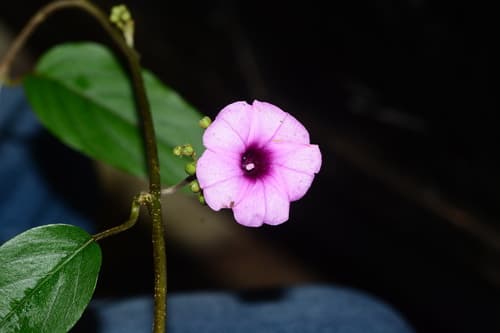
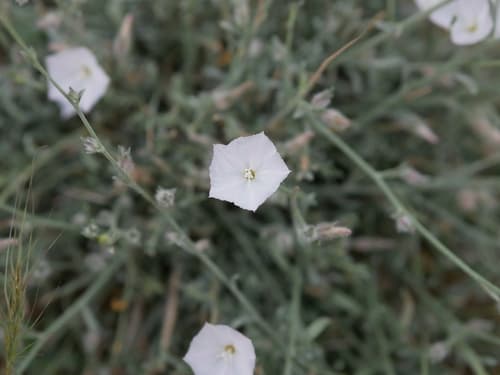
Convolvulus scindicus is a prostrate or decumbent perennial herb characterized by its silvery-hairy stems and small, ovate to lanceolate leaves. It produces solitary or clustered white to pale pink, funnel-shaped flowers in the leaf axils.