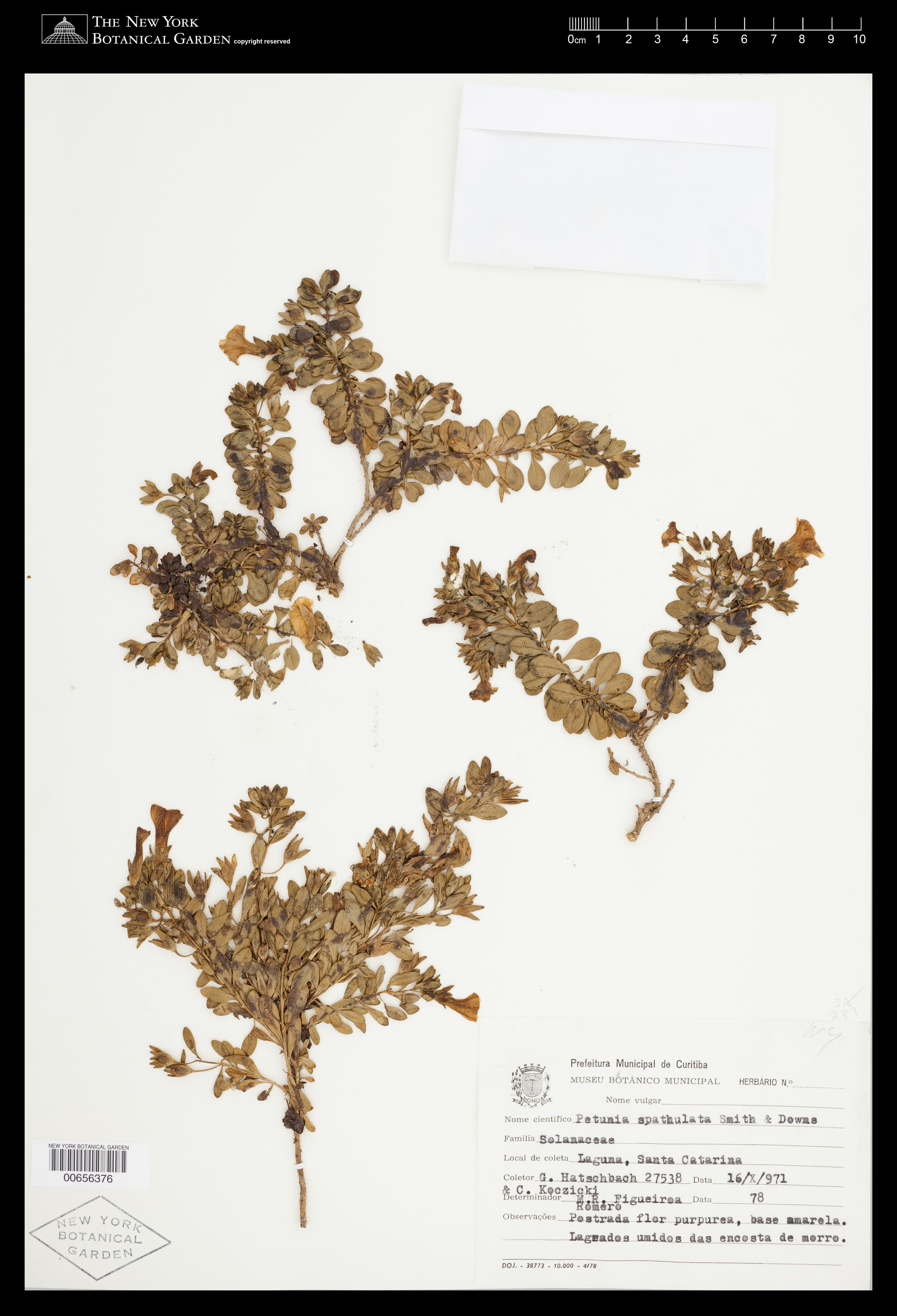
Solanum curvicuspe
NameSolanum curvicuspe
Scientific NameSolanum curvicuspe
Plant FamilySolanaceae
Natural HabitatNative to South America, particularly Brazil, where it grows in disturbed areas, forest edges, and open woodlands. It prefers sunny locations and well-drained soils.
Parts Used
Traditional UsesTraditional medicinal uses for Solanum curvicuspe are not well-documented in general ethnobotanical literature. Many species within the Solanum genus are known to be toxic due to the presence of steroidal glycoalkaloids, and internal consumption is generally not recommended.
Active Constituentssteroidal glycoalkaloids (e.g., solanine-like compounds)
Contraindications & WarningsDue to the likely presence of toxic steroidal glycoalkaloids, Solanum curvicuspe is considered poisonous. Internal consumption of any part of the plant, especially unripe fruits and leaves, is strongly contraindicated and can cause severe gastrointestinal upset, neurological symptoms, and potentially be fatal. External use should also be approached with extreme caution due to potential skin irritation or absorption. Avoid use by pregnant or breastfeeding women, children, and individuals with liver or kidney conditions.
Cultivation NotesThis hardy plant prefers full sun and well-drained soil. It can be propagated by seed and is often found growing in disturbed areas, sometimes considered a weed in its native range.
Raritycommon
Description
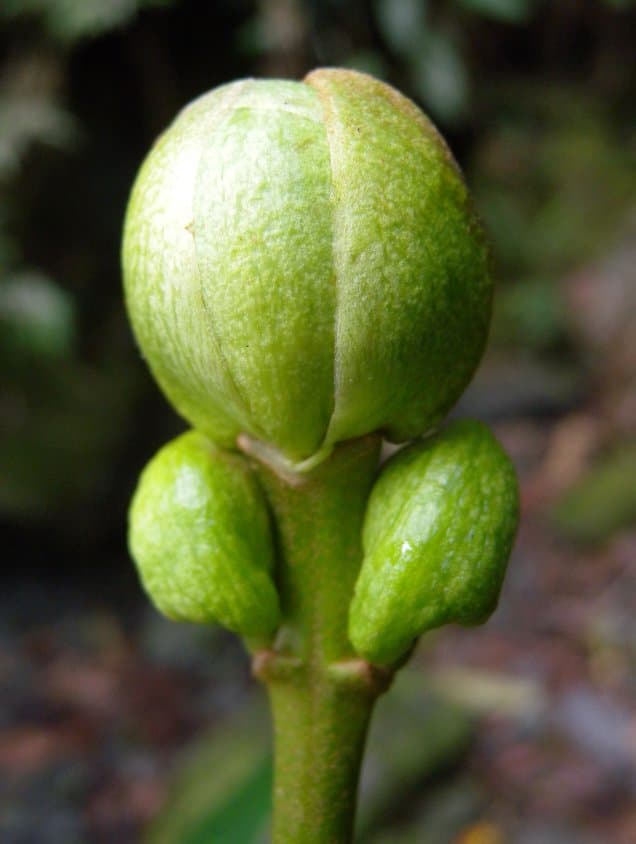
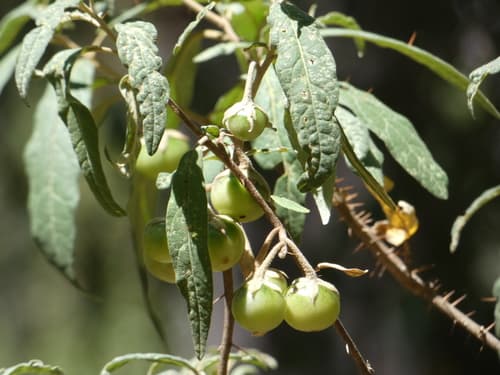
Solanum curvicuspe is a thorny shrub or small tree, typically growing up to 2-3 meters tall. It features ovate to lanceolate leaves, often lobed or sinuate, and stems armed with sharp, recurved thorns. It produces small, round, green berries that ripen to yellow or orange.