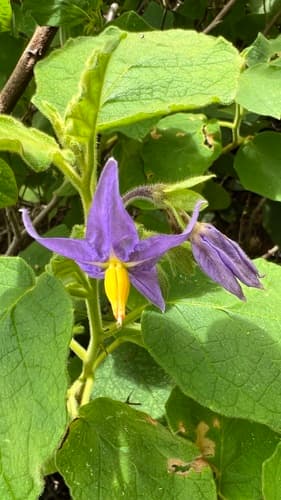
Solanum cordifolium
NameSolanum cordifolium
Scientific NameSolanum cordifolium
Common NamesMountain Potato, Ñame del Monte
Plant FamilySolanaceae
Natural HabitatNative to mountainous and hilly regions of South America, particularly Argentina and Chile, often found in disturbed areas, forest edges, and scrublands.
Parts Usedroot
Medicinal Actionsanti-inflammatory, analgesic
Traditional UsesPrimarily known for its tuberous roots, which are traditionally consumed as a food source after extensive cooking to reduce toxicity. While some *Solanum* species have traditional medicinal uses for pain or inflammation, specific widespread medicinal uses for *S. cordifolium* beyond food are not well-documented.
Active Constituentssteroidal glycoalkaloids, saponins
Preparation Methodsdecoction
Contraindications & WarningsAll parts of the plant, especially leaves and unripe fruits, are highly toxic if consumed raw due to high levels of steroidal glycoalkaloids. Even tubers require thorough cooking to reduce toxicity. Not recommended for internal medicinal use without expert guidance and detoxification. Avoid by pregnant/nursing women, children, and individuals with liver or kidney conditions.
Cultivation NotesPrefers well-drained soil and full sun to partial shade. Can be propagated from seeds or its tuberous roots. Tolerant of various soil types but thrives in rich, organic matter.
Raritycommon
Description
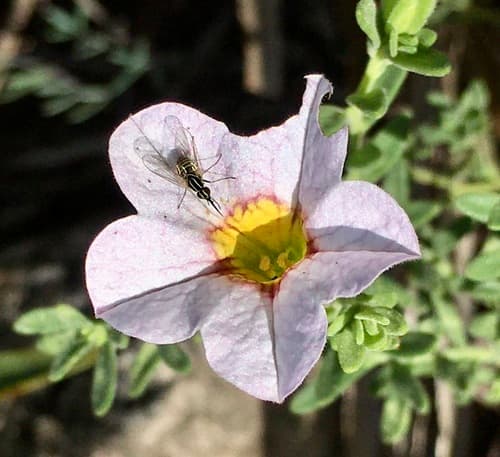
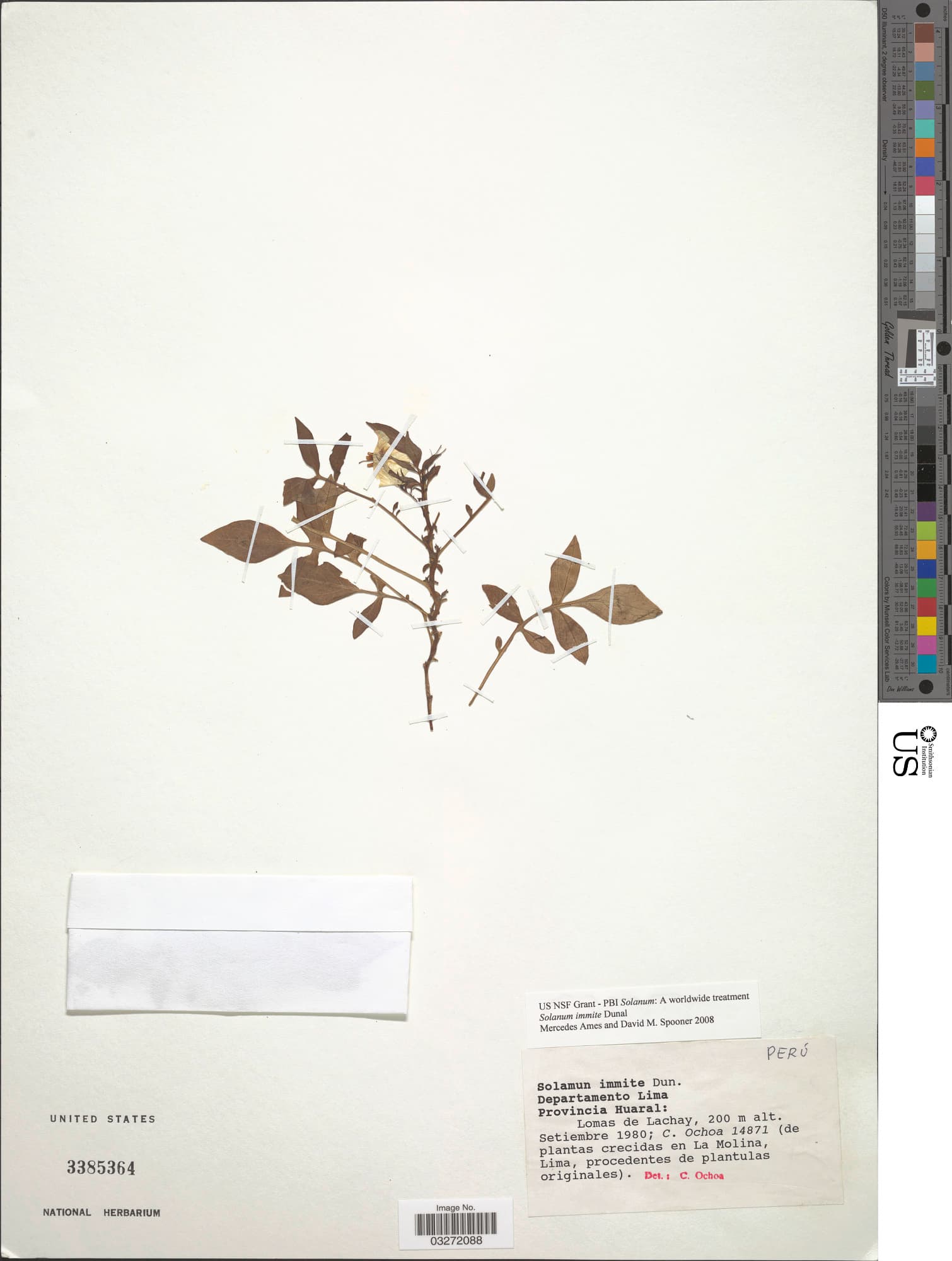
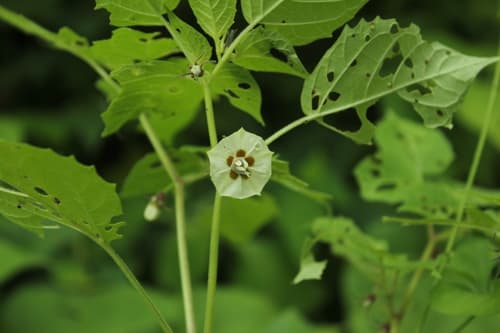
A herbaceous perennial plant, often sprawling or climbing, characterized by heart-shaped to ovate leaves and star-shaped purple flowers with prominent yellow anthers. It produces small berries and is notable for its edible, tuberous roots.