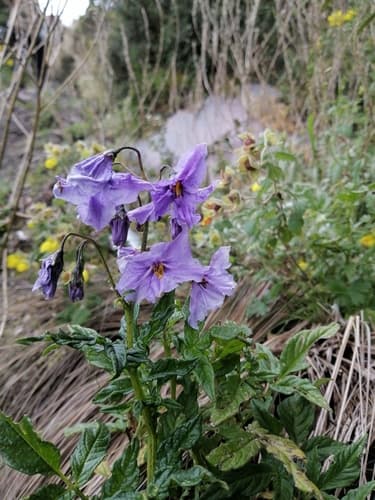
Solanum chomatophilum
NameSolanum chomatophilum
Scientific NameSolanum chomatophilum
Common NamesWild Potato
Plant FamilySolanaceae
Natural HabitatNative to the high-altitude Andean regions of South America, typically found in disturbed areas, grasslands, and open woodlands.
Parts Usedroot,leaf
Medicinal Actionsanalgesic, anti-inflammatory
Traditional UsesWhile primarily valued as a genetic resource for potato breeding, some *Solanum* species, including wild relatives, have been traditionally used by indigenous communities, often externally as poultices, for localized pain and inflammation. However, *Solanum chomatophilum* is known for its high toxicity due to glycoalkaloids, and its specific medicinal applications are not widely documented for safe internal use.
Active ConstituentsGlycoalkaloids (e.g., solanine, chaconine)
Preparation Methodspoultice, decoction
Contraindications & WarningsAll parts of the plant, especially tubers and leaves, contain toxic glycoalkaloids. Ingestion can cause severe gastrointestinal distress, neurological symptoms, and can be fatal. Not recommended for internal use without expert traditional knowledge of detoxification, and generally considered unsafe for consumption.
Cultivation NotesPrefers cool, high-altitude climates. Requires well-drained soil and full sun. Primarily cultivated for genetic research rather than direct consumption due to its toxicity.
Rarityuncommon
Description
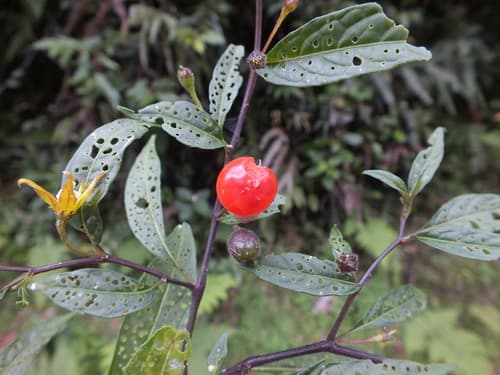
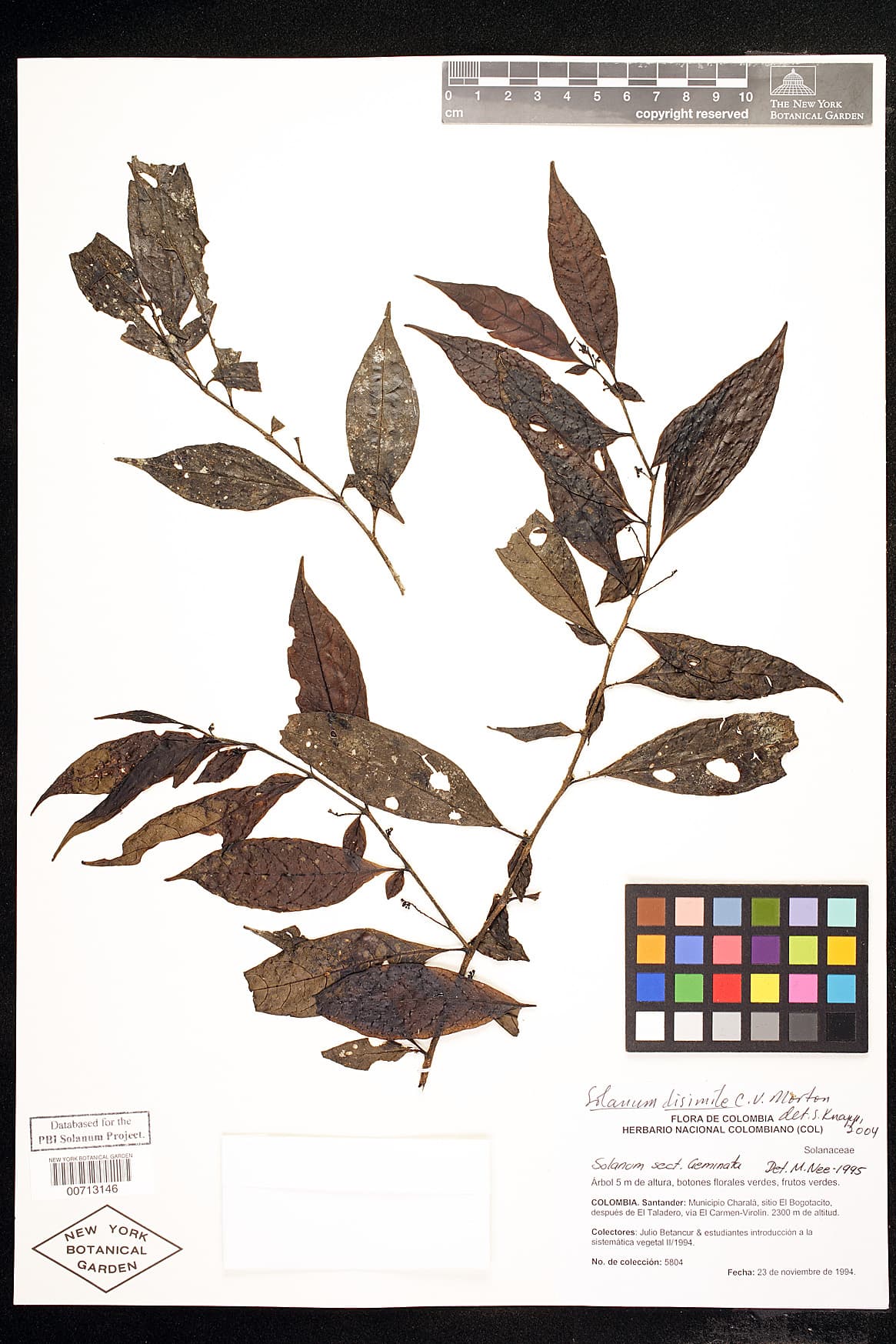
An herbaceous perennial plant characterized by its lobed leaves and distinctive purple, star-shaped flowers with prominent yellow anthers. It produces small, often bitter tubers, typical of wild potato species.