Solanum celatum
NameSolanum celatum
Scientific NameSolanum celatum
Common NamesHidden Nightshade, Brazilian Nightshade
Plant FamilySolanaceae
Natural HabitatNative to South America, particularly Brazil, where it grows in disturbed areas, forest edges, and secondary growth.
Parts Usedleaf,root
Medicinal Actionsanti-inflammatory, antimicrobial, analgesic
Traditional UsesTraditionally, some species within the Solanum genus are used for treating skin ailments, reducing pain and inflammation, and as febrifuges. However, specific traditional uses for Solanum celatum are poorly documented, and its use should be approached with extreme caution due to the genus's known toxicity.
Active Constituentssteroidal glycoalkaloids, flavonoids, phenolic compounds
Preparation Methodsinfusion, decoction, poultice, tincture
Contraindications & WarningsAll parts of Solanum celatum are likely toxic due to the presence of steroidal glycoalkaloids. It is contraindicated in pregnancy, lactation, children, and individuals with liver or kidney conditions. Avoid self-medication. May interact with CNS depressants or other medications.
Cultivation NotesPrefers full sun to partial shade and well-drained soil. It is generally hardy and can tolerate some drought once established. Propagation is typically by seed or stem cuttings.
Rarityuncommon
Description
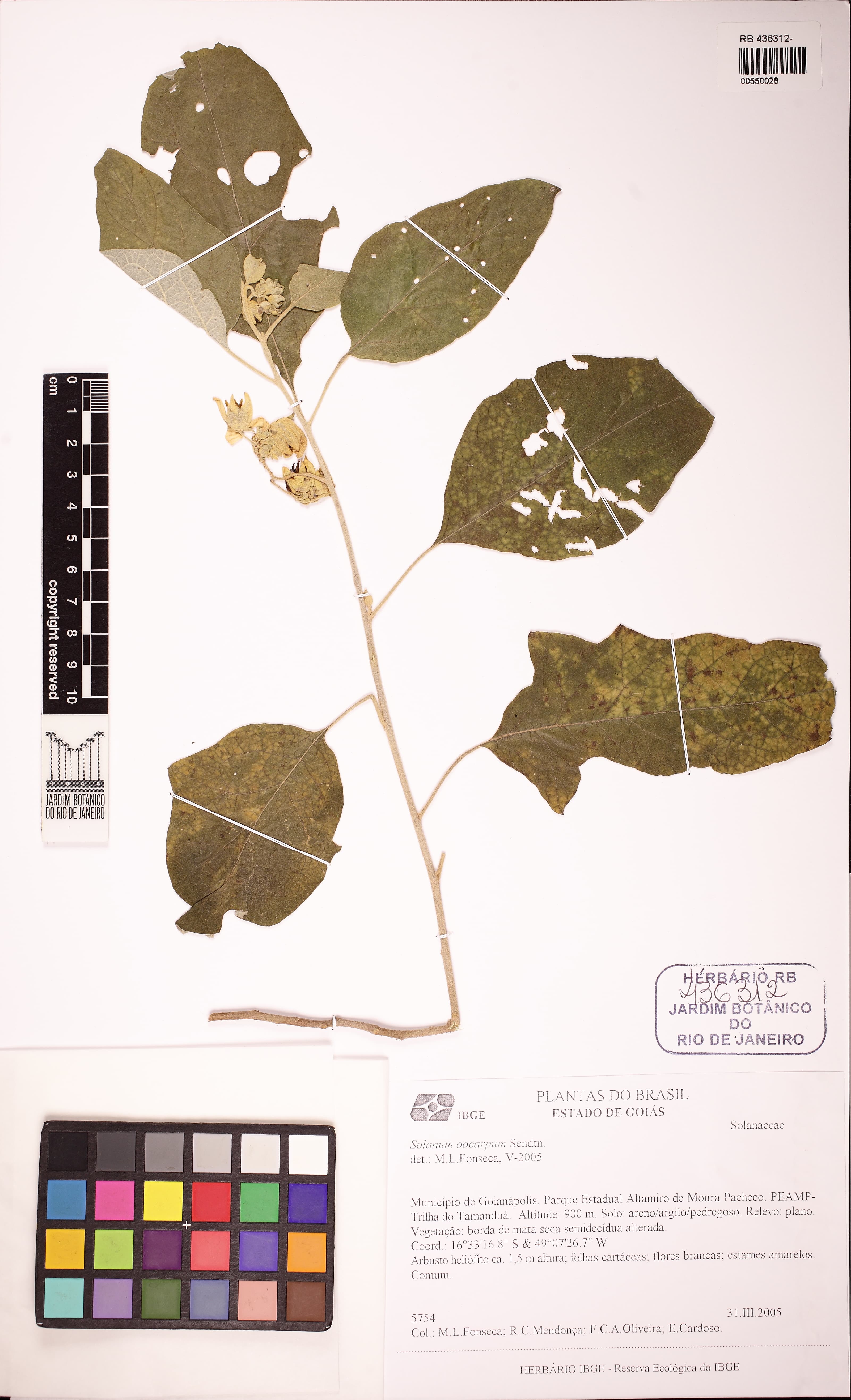
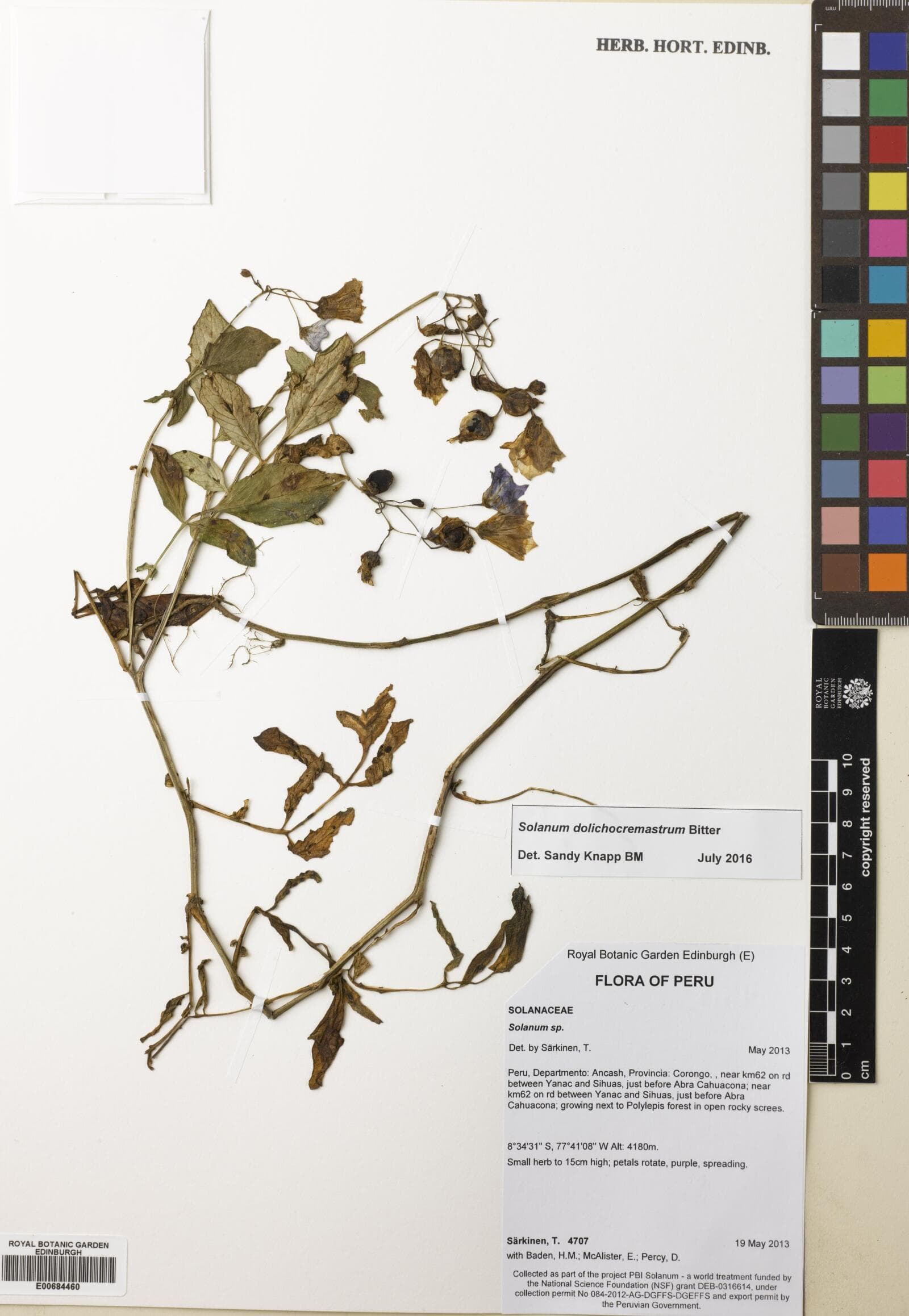
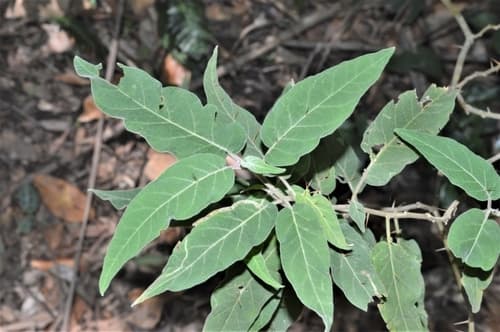
Solanum celatum is a thorny shrub characterized by its woody stems armed with sharp prickles. Its simple, alternate leaves are typically ovate to lanceolate with entire or slightly wavy margins and prominent venation.