Solanum cataphractum
NameSolanum cataphractum
Scientific NameSolanum cataphractum
Common NamesCataphractum Nightshade, Spiny Nightshade, Bush Tomato
Plant FamilySolanaceae
Natural HabitatArid and semi-arid regions of central and western Australia, typically found in rocky outcrops, sandy plains, and open woodlands.
Parts Usedfruit
Medicinal Actionsanalgesic, anti-inflammatory
Traditional UsesAustralian Aboriginal people traditionally consume the ripe fruits of Solanum cataphractum as a food source, often after roasting or processing to reduce bitterness or potential toxicity. Some related Solanum species have been used topically for pain relief, skin ailments, or as anti-inflammatory agents.
Active Constituentssteroidal glycoalkaloids, saponins
Preparation Methodspowder, decoction, poultice
Contraindications & WarningsUnripe fruits are toxic due to high levels of glycoalkaloids. All parts of the plant, especially leaves and unripe fruits, should be handled with extreme caution and are generally considered poisonous if ingested without proper traditional knowledge and preparation.
Cultivation NotesPrefers full sun and well-drained, sandy or rocky soils. It is highly drought-tolerant and well-suited to arid and semi-arid climates.
Raritycommon
Description
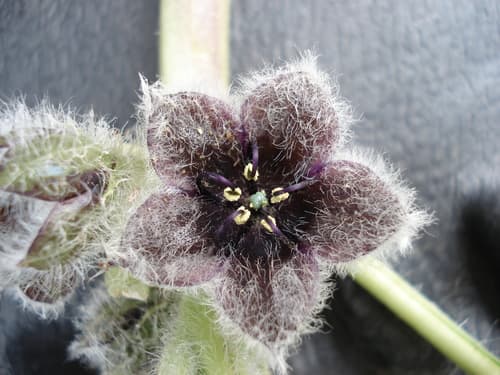
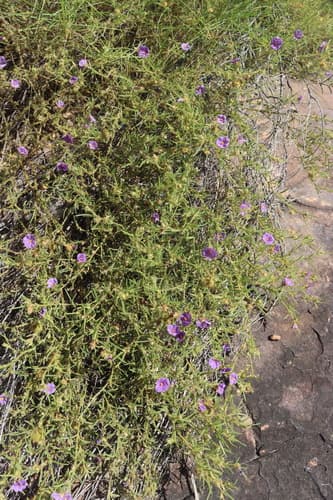
Solanum cataphractum is a spiny, sprawling perennial shrub native to arid regions of Australia. It features numerous small, five-petaled purple flowers and produces small, globular fruits. The plant is characterized by its dense covering of sharp spines on stems and leaves.