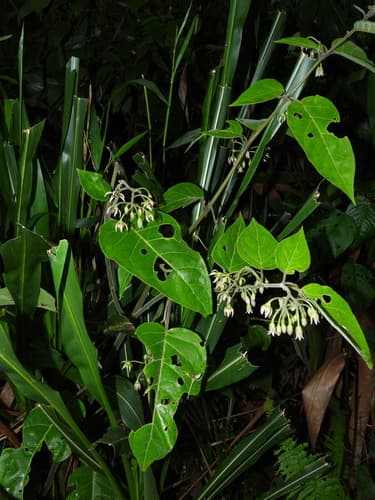
Solanum calidum
NameSolanum calidum
Scientific NameSolanum calidum
Plant FamilySolanaceae
Natural HabitatNative to Central and South America, growing in tropical and subtropical forests, often in disturbed areas, clearings, or forest edges at various elevations.
Parts Usedleaf,fruit
Medicinal Actionsanti-inflammatory, analgesic, antimicrobial
Traditional UsesWhile specific traditional uses for *Solanum calidum* are not widely documented, other species within the *Solanum* genus have been traditionally used externally for skin inflammations, pain relief, and wound healing, often due to their steroidal alkaloid content. Internal use is generally avoided due to potential toxicity.
Active Constituentssteroidal glycoalkaloids, saponins, flavonoids
Preparation Methodspoultice, decoction
Contraindications & WarningsInternal use is highly discouraged due to the presence of toxic steroidal glycoalkaloids, which can cause gastrointestinal upset, neurological symptoms, and other adverse effects. Contraindicated in pregnancy, lactation, children, and individuals with liver or kidney conditions. May interact with anticholinergic medications.
Cultivation NotesThrives in tropical to subtropical climates with well-drained soil and prefers full sun to partial shade. Requires support if grown as a vine and can tolerate some disturbance.
Rarityuncommon
Description
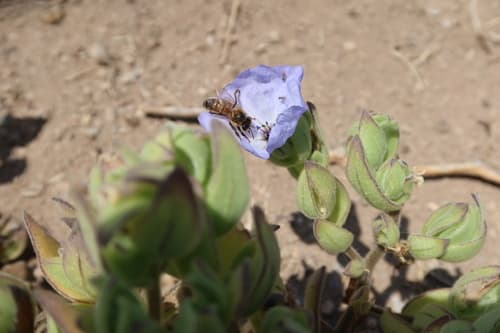
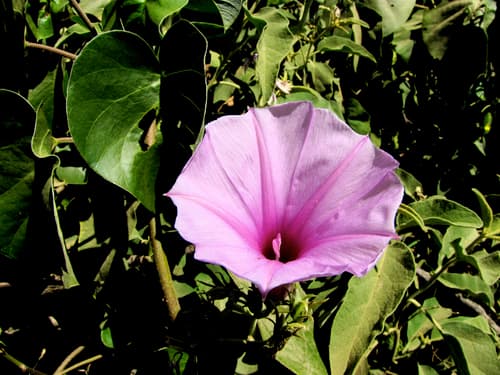
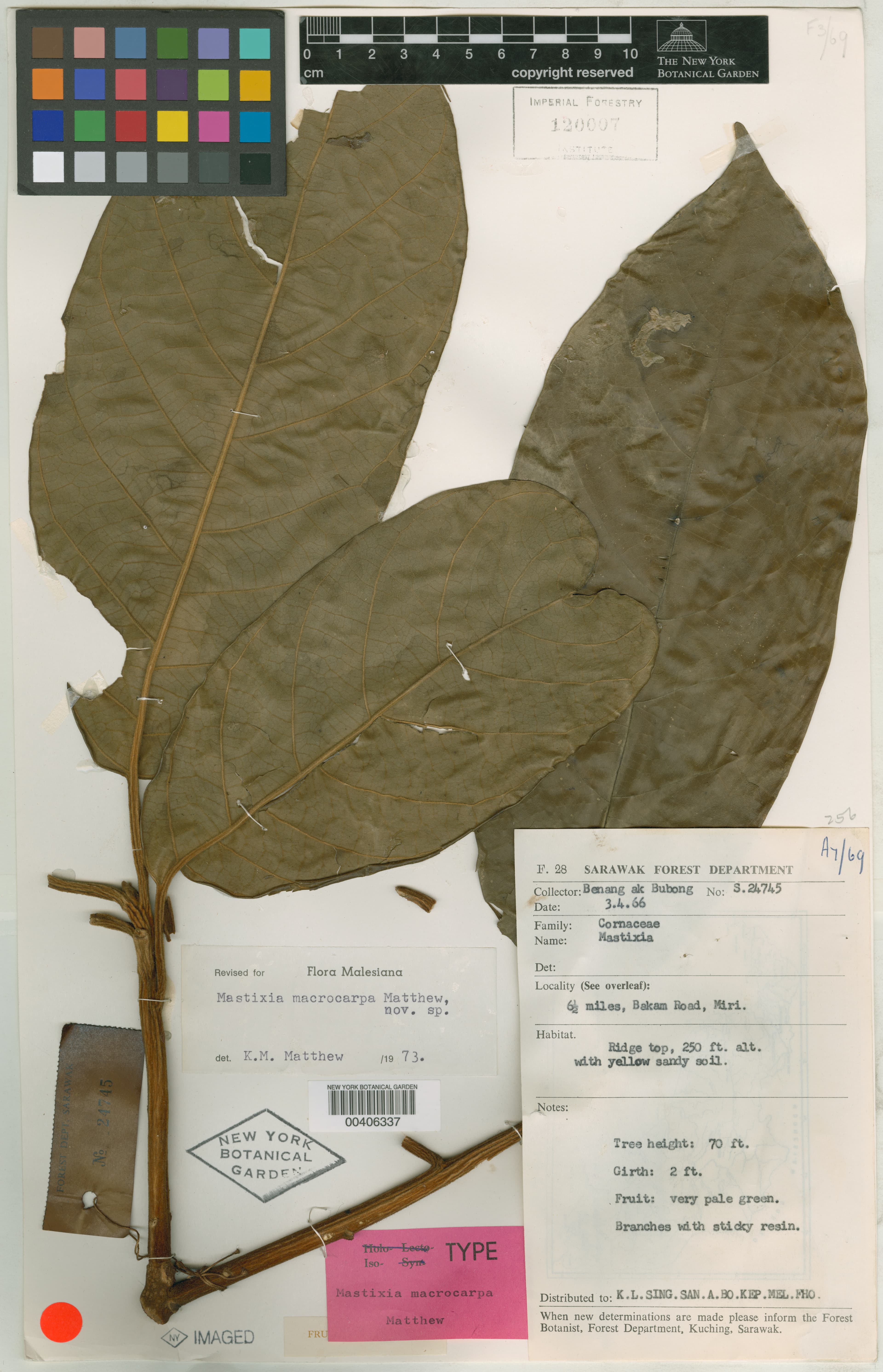
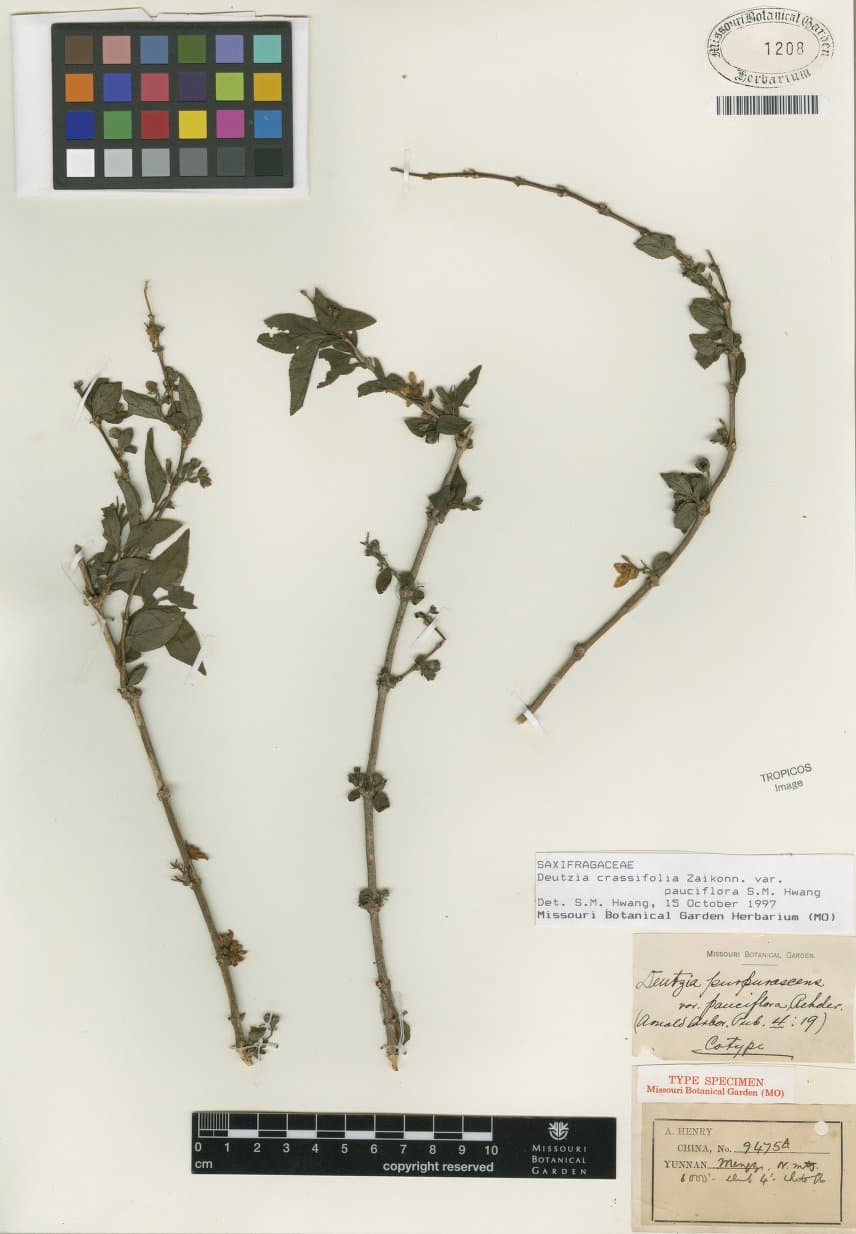
A scrambling vine or shrub, typically found in tropical and subtropical regions. It features simple, ovate to elliptic leaves, often with insect damage as seen, and bears clusters of small, white to cream-colored flowers, which develop into spherical berries.