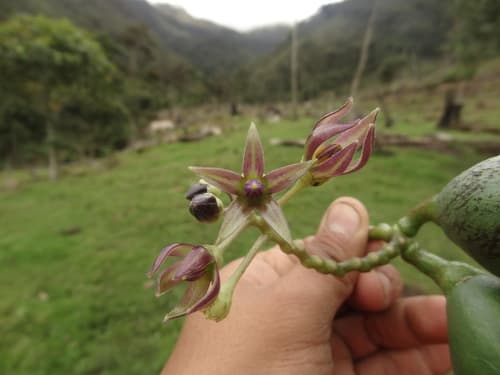
Solanum cajanumense
NameSolanum cajanumense
Scientific NameSolanum cajanumense
Common NamesAndean Nightshade
Plant FamilySolanaceae
Natural HabitatNative to the Andean regions of South America, particularly in countries like Ecuador and Colombia. It thrives in montane forests, forest edges, and disturbed areas at moderate to high elevations.
Parts Usedfruit,leaf
Medicinal Actionsanti-inflammatory, analgesic, antimicrobial
Traditional UsesWhile specific traditional uses for *Solanum cajanumense* are not widely documented, many *Solanum* species are traditionally used for their anti-inflammatory and analgesic properties, often applied topically for pain, swelling, and skin conditions. Internal use is generally approached with caution due to potential toxicity.
Active Constituentssteroidal glycoalkaloids
Preparation Methodspoultice, decoction
Contraindications & WarningsDue to the presence of steroidal glycoalkaloids, all parts of the plant, especially unripe fruits, can be toxic if ingested in large quantities. Internal use is not recommended without expert supervision. Pregnant or breastfeeding women and young children should avoid use.
Cultivation NotesPrefers well-drained soil and a climate typical of its native Andean habitat, with moderate temperatures and humidity. It can be propagated from seeds and requires conditions mimicking its natural high-altitude environment.
Rarityuncommon
Description
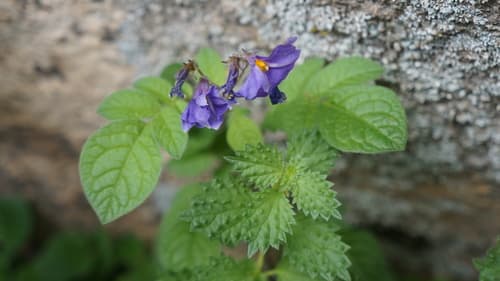
This plant is characterized by its distinctive star-shaped flowers, typically purplish-green with five pointed petals and prominent yellow stamens, arranged in clusters. It produces spherical to ovoid green fruits that develop from these flowers, often found in its native montane habitats.