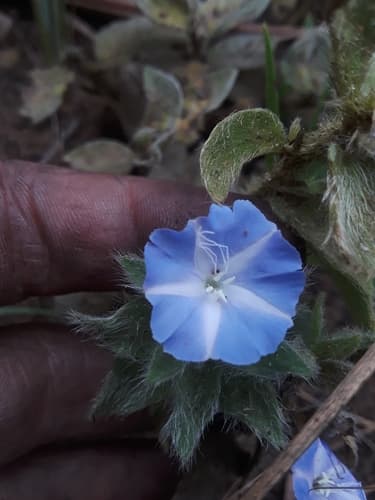
Downy Thorn-apple
NameDowny Thorn-apple
Scientific NameDatura metel
Common NamesDowny Thorn-apple, Devil's Trumpet, Metel, Horn of Plenty, Hindu Datura
Plant FamilySolanaceae
Natural HabitatNative to tropical and subtropical regions, often found in disturbed soils, roadsides, and waste areas. It thrives in warm climates.
Parts Usedleaf,flower,seed,whole_plant
Medicinal Actionsanalgesic, sedative
Traditional UsesHistorically used in traditional medicine systems (e.g., Ayurveda, Unani) as an analgesic and sedative, particularly for asthma, coughs, and pain relief. It was also applied topically for skin conditions and rheumatism, and used ritually as a hallucinogen. Due to its extreme toxicity, internal use is highly dangerous and largely abandoned in modern herbalism.
Active ConstituentsHyoscyamine, Scopolamine, Atropine
Preparation Methodsinfusion, decoction, powder, salve
Contraindications & WarningsEXTREMELY TOXIC AND POTENTIALLY LETHAL. All parts of the plant are poisonous and should NOT be ingested. Causes severe anticholinergic poisoning (dry mouth, blurred vision, hallucinations, tachycardia, delirium, coma, death). Interacts with anticholinergic drugs, sedatives, and other medications. Not for use by pregnant or nursing women, children, or individuals with glaucoma, heart conditions, or prostate enlargement.
Cultivation NotesGrows best in full sun and well-drained soil. Can be grown from seed and requires warm temperatures, being sensitive to frost. Can become invasive in suitable climates.
Raritycommon
Description
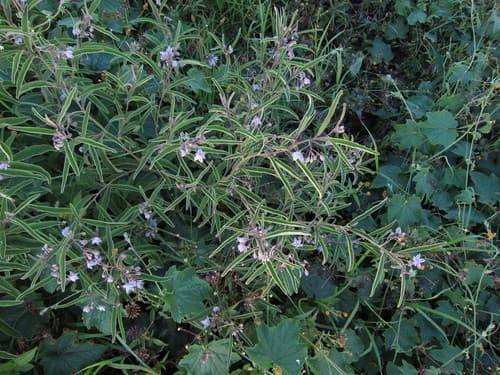
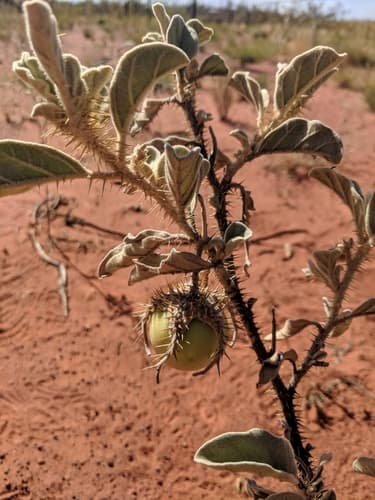
A robust, bushy annual or short-lived perennial herb growing up to 1.5 meters tall, characterized by large, trumpet-shaped white to purple flowers and ovate, often downy leaves. It produces spiny, globular fruits containing numerous seeds.