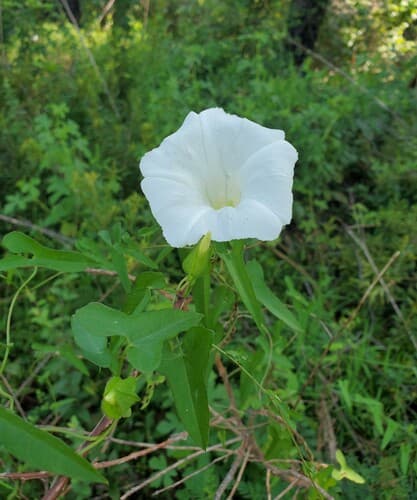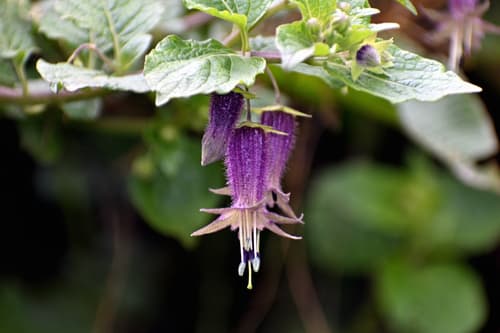
Argyreia involucrata
NameArgyreia involucrata
Scientific NameArgyreia involucrata
Common NamesInvolucrate Argyreia
Plant FamilyConvolvulaceae
Natural HabitatThis species thrives in tropical and subtropical regions, commonly found in forests, along forest edges, and in disturbed areas. It is native to parts of Southeast Asia.
Parts Usedleaf,root
Medicinal Actionsanti-inflammatory, analgesic, antioxidant
Traditional UsesWhile specific traditional uses for Argyreia involucrata are not extensively documented, related species within the Argyreia genus are traditionally used for treating inflammatory conditions, healing wounds, and addressing various skin ailments. It is likely employed in local traditional medicine systems for similar purposes.
Active ConstituentsFlavonoids, Phenolic compounds, Alkaloids
Preparation Methodsinfusion, decoction, poultice, powder
Contraindications & WarningsDue to the potential presence of alkaloids, particularly in the seeds of some Argyreia species, caution is advised. Pregnant or lactating women, individuals with liver or kidney conditions, and those taking central nervous system-acting medications should consult a healthcare professional before use.
Cultivation NotesArgyreia involucrata prefers warm, humid climates with well-draining soil and can tolerate full sun to partial shade. As a climbing vine, it requires a sturdy support structure to grow effectively.
Rarityuncommon
Description
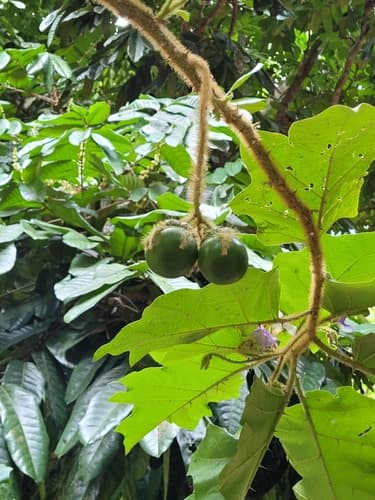
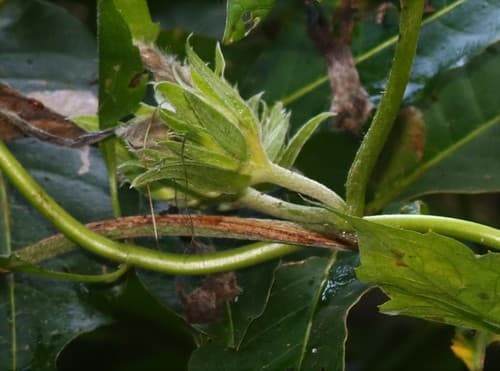
Argyreia involucrata is a climbing vine characterized by its hairy stems and leaves. It produces clusters of flower buds often enclosed by prominent bracts, which gives it its 'involucrata' epithet. The leaves are typically ovate to cordate in shape.