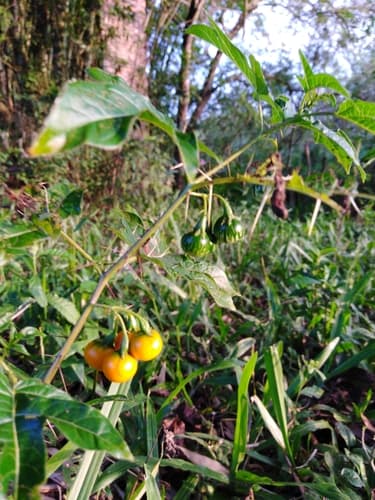
Solanum affine
NameSolanum affine
Scientific NameSolanum affine
Common NamesJurubeba-branca, Jurubeba-do-campo
Plant FamilySolanaceae
Natural HabitatNative to Brazil, found in open fields, disturbed areas, pastures, roadsides, and forest edges within biomes like the Cerrado and Atlantic Forest.
Parts Usedleaf,root,fruit
Medicinal Actionsanti-inflammatory, antimicrobial, antioxidant, diuretic
Traditional UsesTraditionally used in Brazilian folk medicine for liver and digestive problems such as indigestion and dyspepsia. It is also employed for fevers, malaria, and as a general tonic, though caution is advised due to potential toxicity.
Active Constituentssteroidal glycoalkaloids, flavonoids, saponins, phenolic compounds
Preparation Methodsinfusion, decoction, tincture
Contraindications & WarningsContains steroidal glycoalkaloids which can be toxic, especially in high doses or from unripe fruits. Not recommended for pregnant or breastfeeding women, children, or individuals with liver or kidney disease. May cause gastrointestinal upset; consult a healthcare professional before use.
Cultivation NotesA hardy plant that thrives in full sun to partial shade and well-drained soils. It is often considered a weed in agricultural areas and is propagated by seeds.
Raritycommon
Description
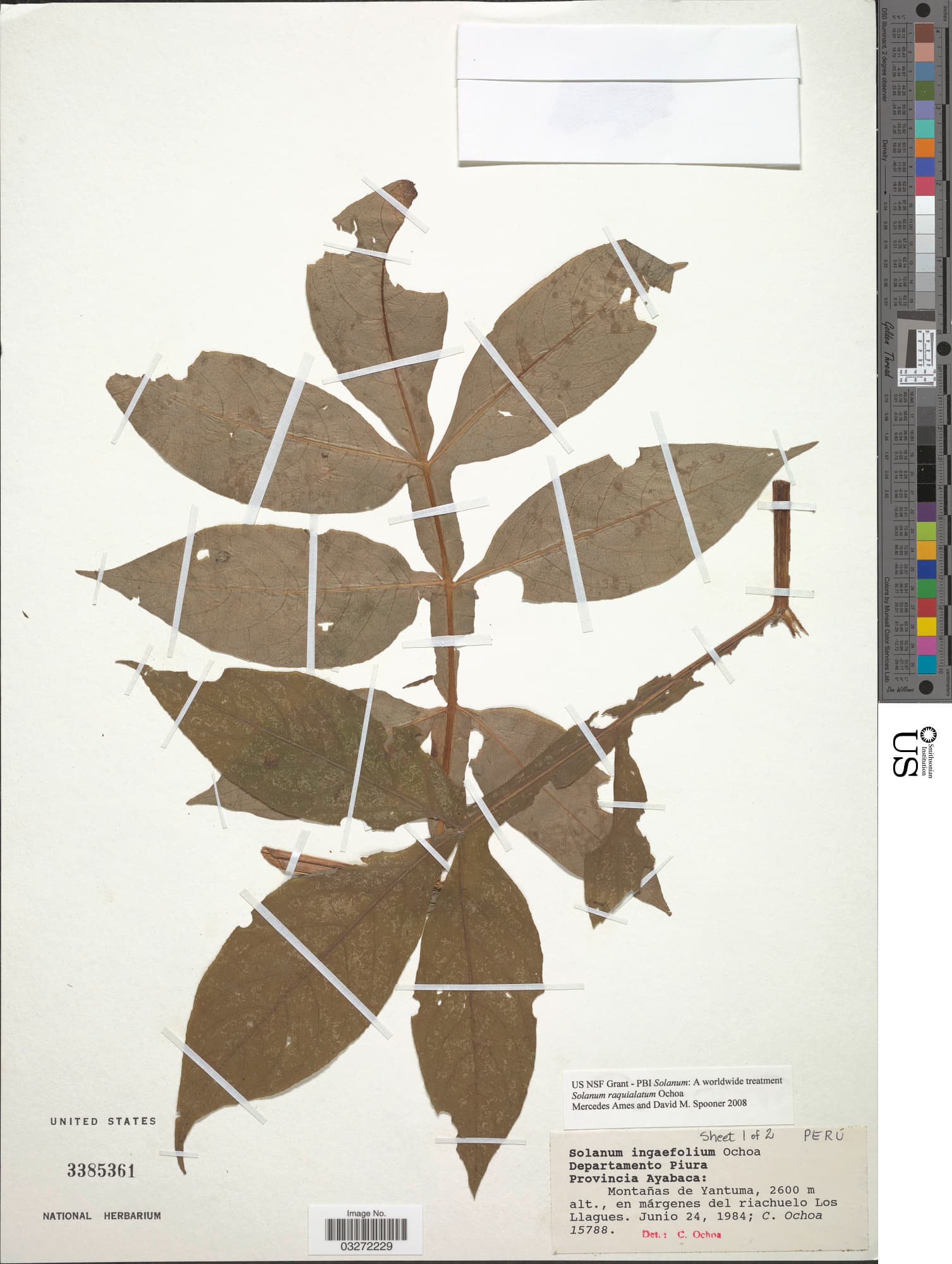
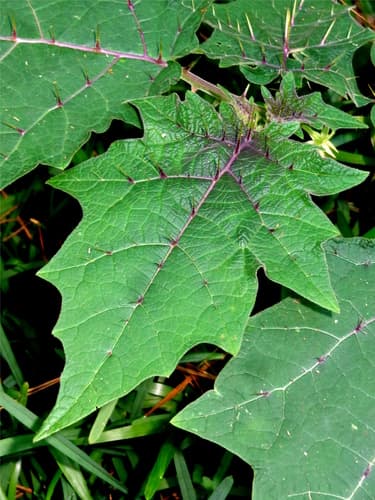
A thorny subshrub or shrub, typically growing 1-2 meters tall, with stems and leaves often armed with sharp prickles. It produces lobed or sinuate leaves and globose berries that ripen from green (often striped) to yellow or orange.