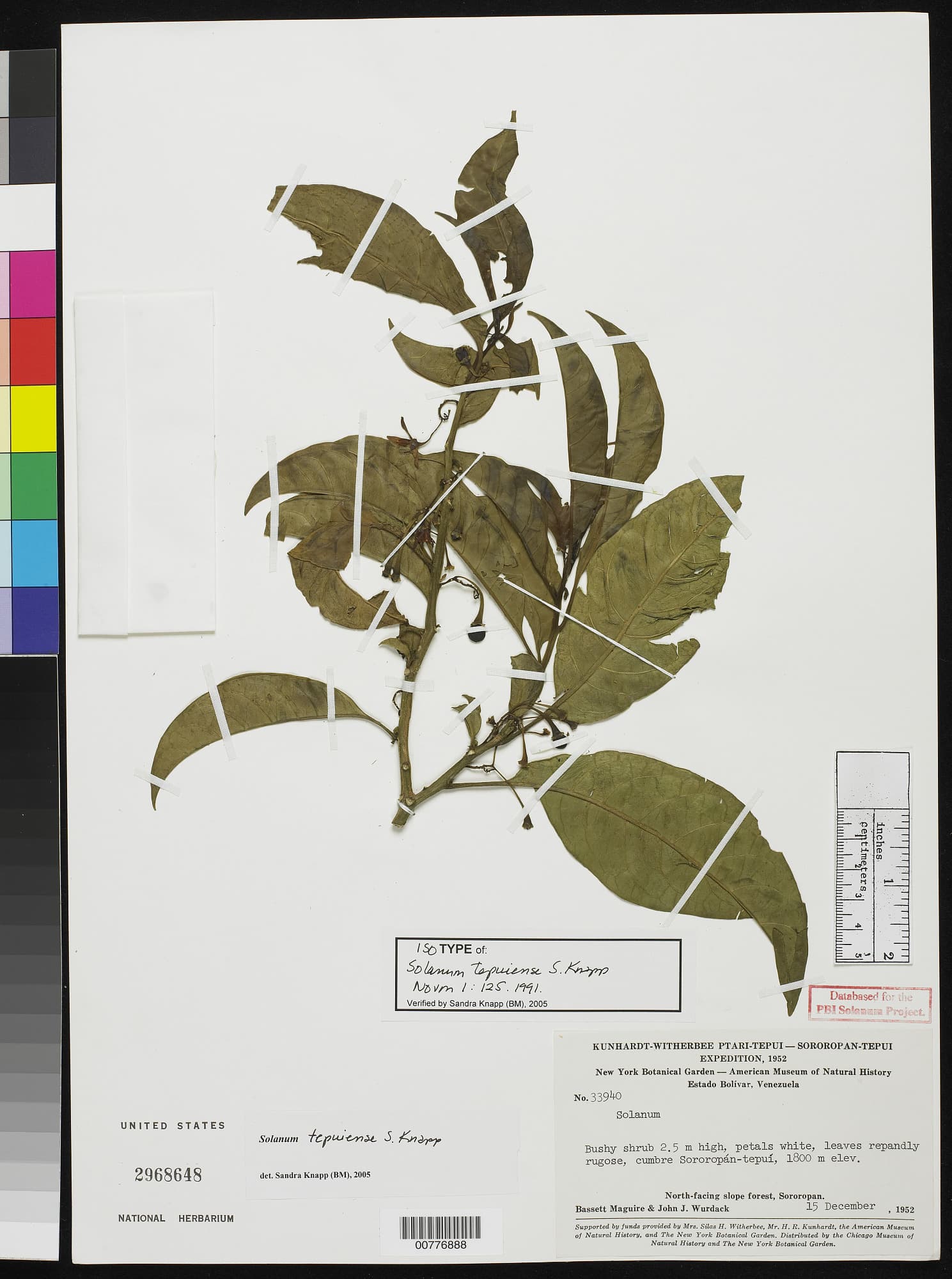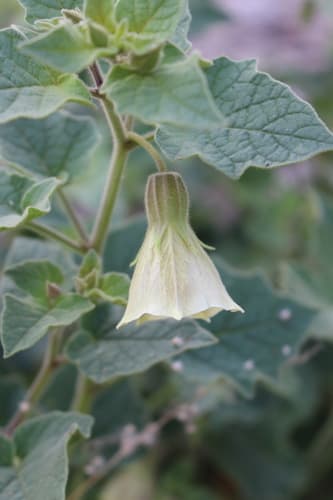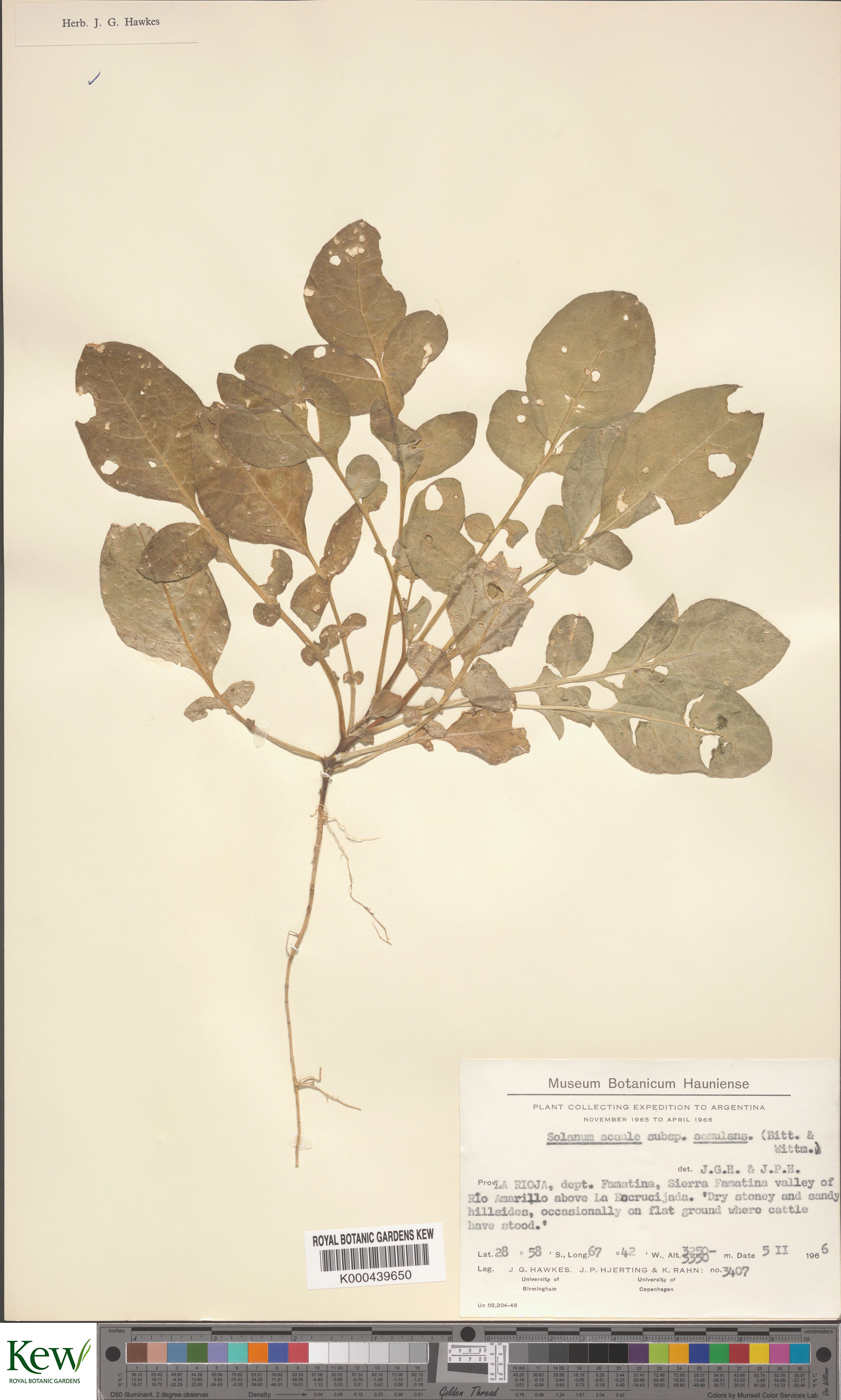
Solanum aemulans
Image: Hawkes, J.G.; Hjerting, J.P.; Rahn, K. (cc-by)
NameSolanum aemulans
Scientific NameSolanum acaule subsp. aemulans
Common NamesWild Potato, Bitter Potato
Plant FamilySolanaceae
Natural HabitatFound in dry, stony, and sandy hillsides, occasionally on flat ground, at high altitudes (around 3250 m) in regions like La Rioja, Argentina.
Parts Usedwhole_plant
Medicinal Actionsanti-inflammatory, analgesic
Traditional UsesSolanum acaule subsp. aemulans is primarily known for its genetic resistance to frost and disease in potato breeding, not for common traditional medicinal uses due to its high toxicity from glycoalkaloids. While some Solanum species have traditional external uses for pain or inflammation, direct medicinal application of this species is generally avoided due to its poisonous nature.
Active ConstituentsSolanine, Chaconine
Preparation Methodspoultice
Contraindications & WarningsHighly toxic due to high levels of glycoalkaloids (solanine, chaconine). Ingestion can cause severe gastrointestinal distress, neurological symptoms, and can be fatal. Not recommended for internal use. Skin contact may cause irritation.
Cultivation NotesThis wild potato species is known for its hardiness, particularly its resistance to frost and certain potato diseases. It thrives in high-altitude, dry, stony, and sandy soils.
Rarityuncommon
Description
This is a perennial herbaceous plant, often low-growing or sprawling, characterized by simple, ovate to elliptic leaves. It produces tubers underground, typical of wild potato species.