Cuscuta atrans
NameCuscuta atrans
Scientific NameCuscuta atrans
Common NamesDodder, Black Dodder
Plant FamilyConvolvulaceae
Natural HabitatAs a parasitic plant, Cuscuta atrans grows on various herbaceous host plants in disturbed areas, fields, roadsides, and natural ecosystems, often found in parts of Europe and Asia.
Parts Usedseed,whole_plant
Medicinal Actionsadaptogen, anti-inflammatory, antioxidant, astringent, diuretic
Traditional UsesIn Traditional Chinese Medicine (TCM), the seeds of Cuscuta species (known as Tu Si Zi) are used to tonify kidney yang and yin, nourish the liver, and improve vision. They are traditionally employed for conditions such as impotence, premature ejaculation, frequent urination, lower back pain, tinnitus, blurred vision, and chronic diarrhea.
Active Constituentsflavonoids, lignans, polysaccharides, saponins, alkaloids
Preparation Methodsdecoction, powder, tincture
Contraindications & WarningsContraindicated in cases of excess fire due to yin deficiency or severe constipation. Caution is advised during pregnancy without professional guidance. May interact with medications affecting hormone levels or blood sugar. Large quantities can be toxic to livestock.
Cultivation NotesCuscuta atrans is a parasitic plant and cannot be cultivated independently. It requires a suitable host plant to germinate and grow, attaching via haustoria to extract nutrients. It is generally considered an agricultural weed.
Rarityuncommon
Description
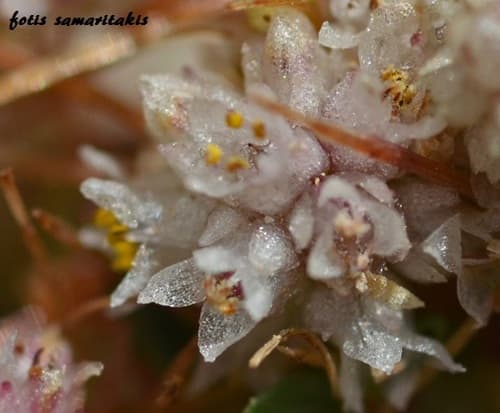
Cuscuta atrans is a parasitic annual plant characterized by its thread-like, leafless, yellowish-orange to reddish stems that twine around host plants. It produces small, clustered, whitish to pale pinkish bell-shaped flowers, typically 2-3 mm long, with prominent yellow anthers.