Solanum acutilobum
NameSolanum acutilobum
Scientific NameSolanum acutilobum
Plant FamilySolanaceae
Natural HabitatNative to South America, this plant is commonly found in disturbed areas, forest edges, clearings, and open fields. It thrives in various soil conditions, often in subtropical or tropical climates.
Parts Used
Traditional UsesTraditional medicinal uses specifically for Solanum acutilobum are not widely documented in available ethnobotanical literature. While many species within the Solanum genus have various traditional applications, often involving leaves or fruits for conditions like inflammation or pain, these uses are highly species-specific and often accompanied by warnings due to potential toxicity. Therefore, no specific traditional uses can be confidently attributed to this particular species without further documentation.
Active ConstituentsSteroidal glycoalkaloids
Contraindications & WarningsAll parts of Solanum acutilobum, especially unripe fruits and leaves, should be considered potentially toxic due to the presence of steroidal glycoalkaloids. Ingestion can cause gastrointestinal upset, neurological symptoms, and other adverse effects. This plant is not recommended for internal use without expert guidance and thorough identification.
Cultivation NotesThis plant generally prefers full sun to partial shade and well-drained soil. It can be relatively easy to grow and may naturalize in suitable climates, sometimes behaving as a weed in disturbed areas. Propagation is typically by seed.
Raritycommon
Description
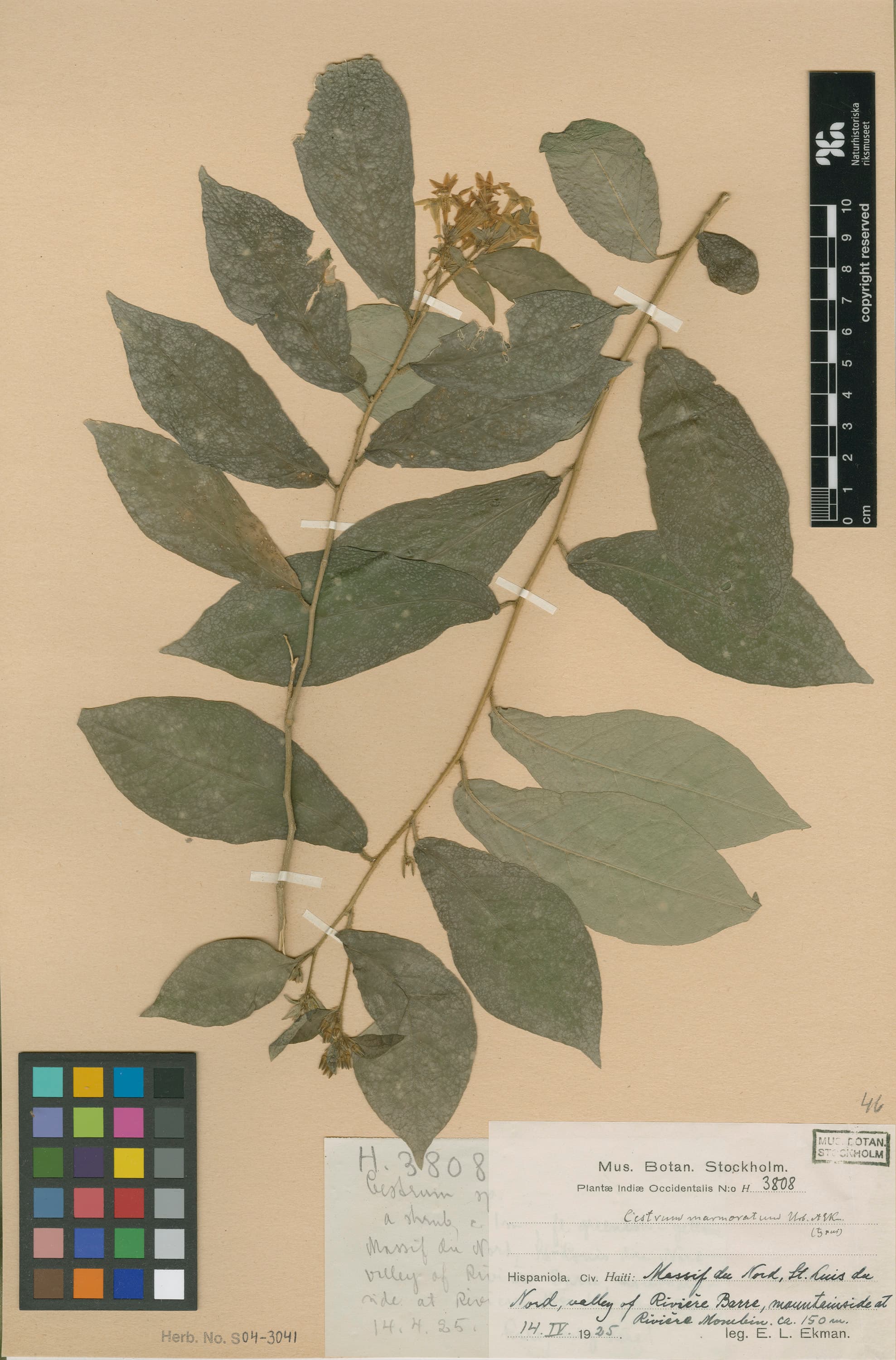
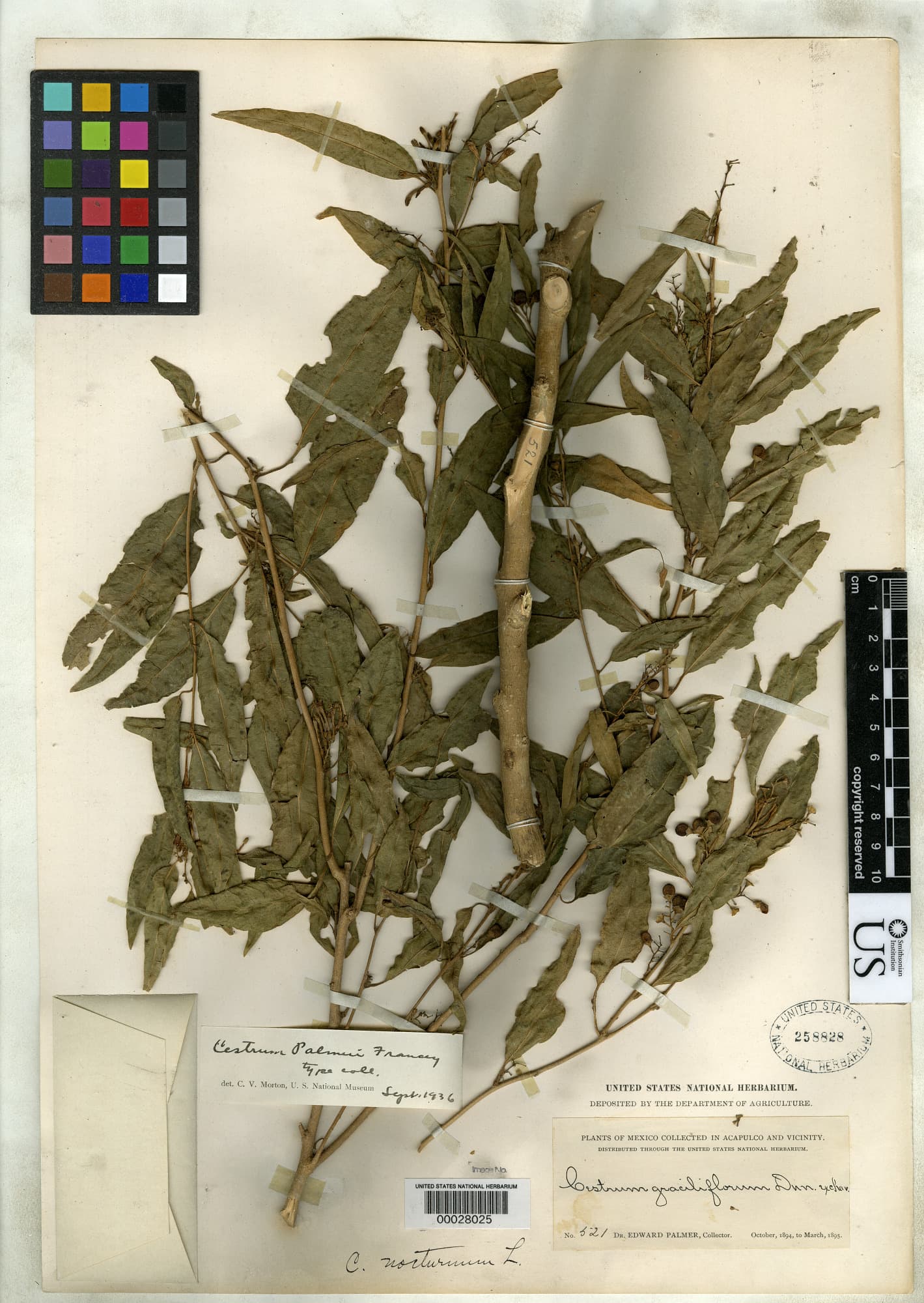
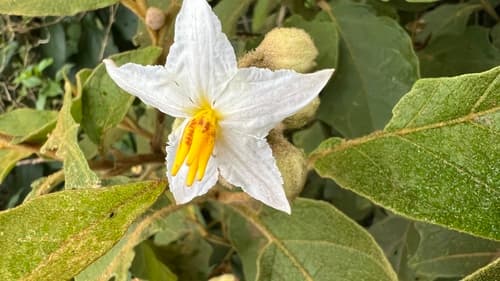
Solanum acutilobum is a herbaceous plant or small shrub characterized by its white, star-shaped flowers with prominent yellow anthers. Its leaves are typically simple, often ovate and can be covered in fine hairs, giving them a slightly fuzzy texture. The plant produces small berries as fruit.