Solanum actaeabotrys
NameSolanum actaeabotrys
Scientific NameSolanum actaeabotrys
Plant FamilySolanaceae
Natural HabitatNative to the montane and cloud forests of the Andes in South America, particularly found in countries such as Colombia, Ecuador, and Peru. It thrives in cool, moist, and often misty conditions at higher elevations.
Parts Usedleaf,fruit
Medicinal Actionsanalgesic, anti-inflammatory
Traditional UsesSpecific traditional medicinal uses for Solanum actaeabotrys are not well-documented in ethnobotanical literature. However, other species within the Solanum genus are traditionally used for their anti-inflammatory and pain-relieving properties, often requiring careful preparation due to the presence of potentially toxic alkaloids.
Active ConstituentsSteroidal glycoalkaloids
Preparation Methodsinfusion, poultice
Contraindications & WarningsDue to the presence of steroidal glycoalkaloids common in the Solanum genus, this plant is likely toxic if ingested in improper doses. General contraindications for Solanum species include pregnancy, lactation, and potential interactions with certain medications. Consultation with a qualified expert is essential.
Cultivation NotesThis species requires specific humid, subtropical to tropical montane conditions, including well-drained soil and partial shade. It is not commonly cultivated outside its native range and may be challenging to grow in non-native environments.
Rarityrare
Description
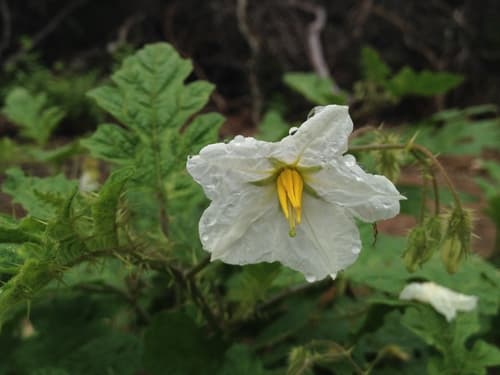
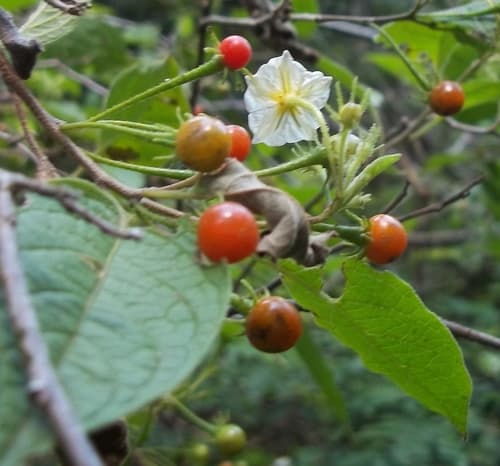
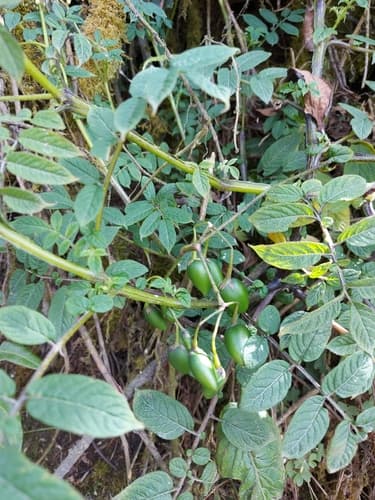
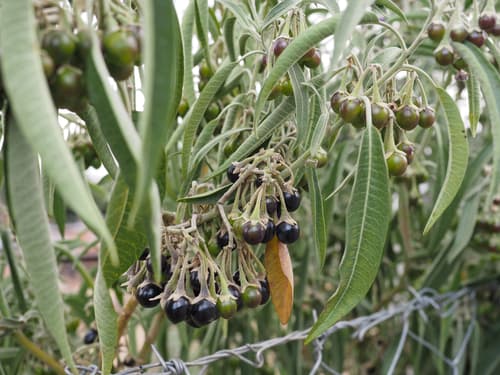
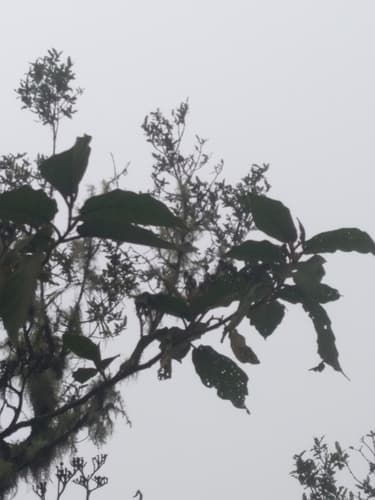
Solanum actaeabotrys is a woody shrub or small tree characterized by its broad leaves, typically found in humid, high-altitude environments. It belongs to the diverse Solanum genus, which includes many species with varying chemical profiles and uses.