Solanum acroglossum
Image: Conveyor Belt (cc0)
NameSolanum acroglossum
Scientific NameSolanum acroglossum
Common NamesWild Potato
Plant FamilySolanaceae
Natural HabitatNative to the Andean regions of South America, it thrives in high-altitude environments, often found in grasslands, disturbed areas, and along forest edges.
Parts Usedtuber,leaf
Medicinal Actionsanti-inflammatory, antimicrobial
Traditional UsesSpecific traditional medicinal uses for Solanum acroglossum are not widely documented. However, some Solanum species, including wild potatoes, have been traditionally used in folk medicine, often topically for inflammatory conditions or skin ailments, and sometimes internally as food after careful processing to reduce toxicity.
Active ConstituentsGlycoalkaloids, Saponins, Flavonoids
Preparation Methodspoultice, decoction
Contraindications & WarningsMany Solanum species, including wild potatoes, contain toxic glycoalkaloids (e.g., solanine) which can cause gastrointestinal distress, neurological symptoms, and can be fatal in high doses. Unripe fruits and leaves are particularly toxic. Consumption should be avoided, especially by pregnant or breastfeeding individuals, and those with liver or kidney conditions.
Cultivation NotesAs a wild potato, Solanum acroglossum prefers well-drained soil, full sun, and cool to temperate climates, mimicking its native Andean habitat. It is often cultivated for research purposes, particularly for its genetic contributions to potato breeding programs.
Rarityuncommon
Description
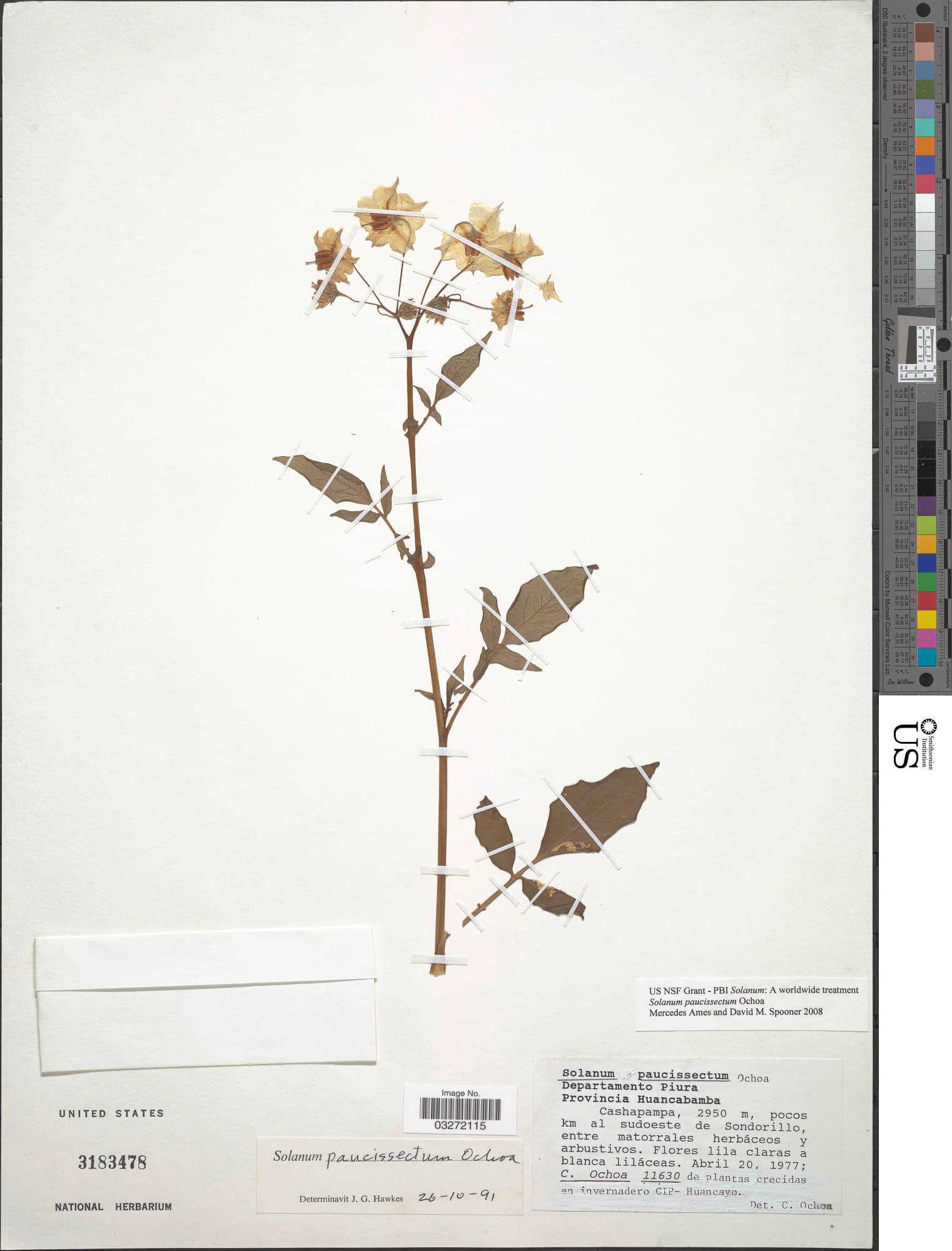
Solanum acroglossum is a wild potato species, typically a herbaceous plant, characterized by its distinctive flowers and the production of tubers. It is primarily recognized for its genetic value in potato breeding, particularly for disease resistance.