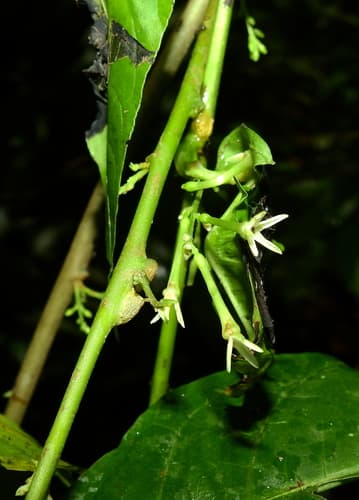
smallcalyx cestrum
Namesmallcalyx cestrum
Scientific NameCestrum microcalyx
Common NamesSmallcalyx Cestrum
Plant FamilySolanaceae
Natural HabitatNative to tropical and subtropical regions of Central and South America, this plant typically thrives in disturbed areas, forest edges, clearings, and secondary forests.
Parts Usedleaf
Medicinal Actionsantimicrobial, anti-inflammatory
Traditional UsesTraditional medicinal uses for Cestrum microcalyx are not widely documented or recognized due to the plant's significant toxicity. While some species within the Cestrum genus have been explored for potential antimicrobial or anti-inflammatory properties in research, and occasionally used externally in folk medicine for skin conditions or pain relief, internal use is generally avoided due to high toxicity. Any purported traditional use should be approached with extreme caution and under expert supervision.
Active Constituentssteroidal glycoalkaloids, saponins, flavonoids
Preparation Methodspoultice, salve
Contraindications & WarningsALL parts of Cestrum microcalyx are considered highly toxic, especially the berries. Ingestion can cause severe gastrointestinal distress (nausea, vomiting, diarrhea), neurological symptoms (drowsiness, tremors, convulsions), and can be fatal, particularly in children and animals. Contact with sap can cause skin irritation. It should not be ingested or used internally under any circumstances, and external use is also highly risky and generally not recommended.
Cultivation NotesCestrum microcalyx is a fast-growing, evergreen shrub or small tree that prefers full sun to partial shade and well-drained soil. It is relatively drought-tolerant once established and can be propagated by seeds or cuttings. In some regions, Cestrum species can become invasive.
Raritycommon
Description
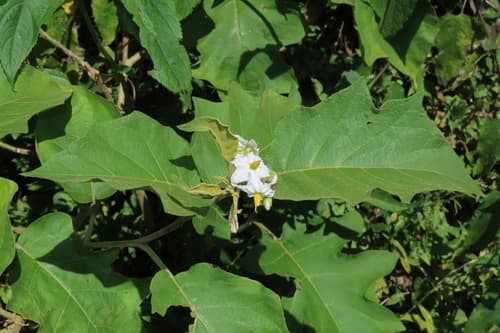
Cestrum microcalyx is a shrub or small tree characterized by slender, often arching branches and simple, alternate, ovate to lanceolate leaves. It produces clusters of small, tubular, greenish-white to white flowers, which are followed by small, often purple or black berries. The species name 'microcalyx' refers to its notably small calyx.