Slender Bindweed
NameSlender Bindweed
Scientific NameConvolvulus prostratus
Common NamesSlender Bindweed, Shankhpushpi, Prostrate Bindweed
Plant FamilyConvolvulaceae
Natural HabitatCommonly found in dry, open, often sandy or rocky areas, grasslands, and disturbed sites across tropical and subtropical regions, particularly prevalent in India.
Parts Usedwhole_plant,leaf,flower,root
Medicinal Actionsadaptogen, nervine, antioxidant, anti-inflammatory
Traditional UsesIn Ayurvedic medicine, Slender Bindweed is highly regarded as a potent brain tonic and nervine, traditionally used to enhance memory, improve cognitive function, and alleviate stress and anxiety. It is also employed to promote restful sleep, treat nervous debility, and for its general tonic and anti-inflammatory properties.
Active ConstituentsConvolvuline, scopoletin, flavonoids, alkaloids, coumarins, triterpenoids
Preparation Methodsinfusion, decoction, powder, tincture
Contraindications & WarningsGenerally considered safe, but pregnant and lactating individuals should consult a healthcare professional before use. Due to its nervine properties, it may potentiate the effects of sedative medications. High doses might lead to mild gastrointestinal discomfort.
Cultivation NotesThis plant thrives in full sun and well-drained soil, exhibiting good drought tolerance once established. It can be propagated from seeds or cuttings and is often considered a weed in agricultural settings due to its vigorous, spreading growth habit.
Raritycommon
Description
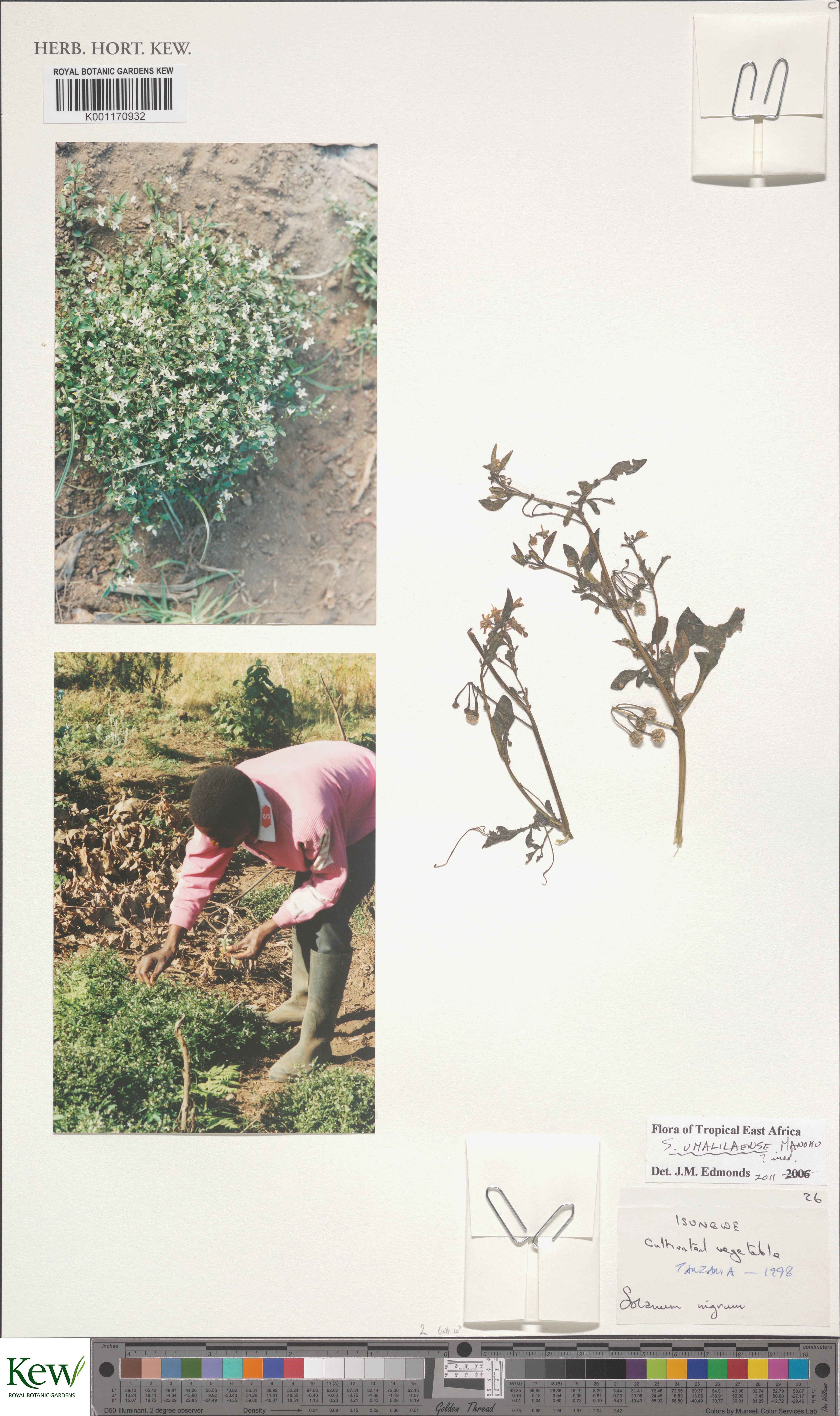
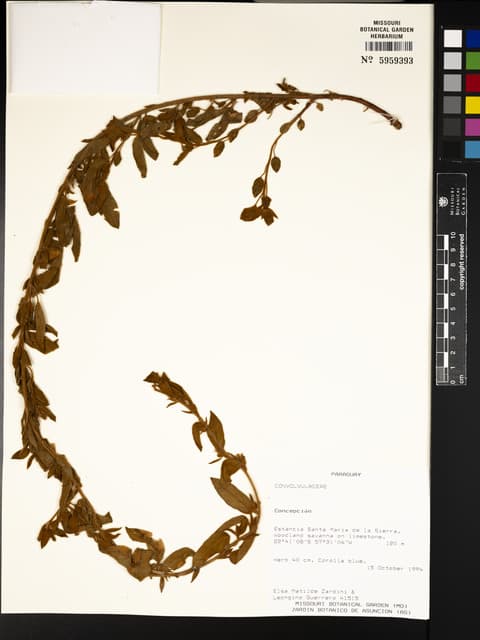
A prostrate or ascending perennial herb characterized by its slender, linear to linear-lanceolate leaves and solitary, funnel-shaped, pinkish-white flowers. It typically forms a spreading mat, often with a woody rootstock.