Shy Nightshade
NameShy Nightshade
Scientific NameSolanum elaeagnifolium
Common NamesShy Nightshade, Silverleaf Nightshade, White Horsenettle, Purple Nightshade
Plant FamilySolanaceae
Natural HabitatNative to the Americas, it thrives in disturbed areas, pastures, roadsides, and agricultural fields, preferring dry, sandy, or gravelly soils. It is considered a noxious weed in many regions.
Parts Usedfruit,whole_plant
Medicinal Actionsanalgesic, anti-inflammatory
Traditional UsesTraditionally, some indigenous groups have used the berries externally as a poultice for skin conditions like warts, ringworm, or snakebites. Internal use is extremely rare and dangerous due to the plant's high toxicity, though historical accounts mention highly diluted preparations for pain or fever.
Active ConstituentsSolasodine, Solasonine, Solamargine
Preparation Methodspoultice
Contraindications & WarningsEXTREMELY TOXIC. All parts of the plant, especially the berries, contain steroidal glycoalkaloids that are poisonous to humans and livestock. Ingestion can cause severe gastrointestinal distress, neurological symptoms, and can be fatal. Avoid internal use entirely. Pregnant or nursing women, children, and individuals with liver or kidney conditions should strictly avoid any contact.
Cultivation NotesThis plant is generally considered a noxious weed and is rarely cultivated intentionally. It is highly adaptable, drought-tolerant, and spreads aggressively via seeds and rhizomes, making it difficult to eradicate. It prefers full sun and well-drained soil.
Raritycommon
Description
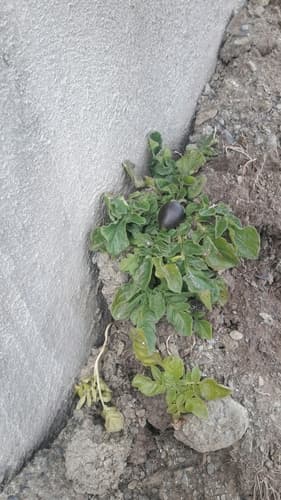
A perennial herbaceous plant characterized by its silvery, hairy leaves and stems, often armed with sharp spines. It produces distinctive star-shaped, purple to lavender flowers with prominent yellow anthers, followed by small, round berries.