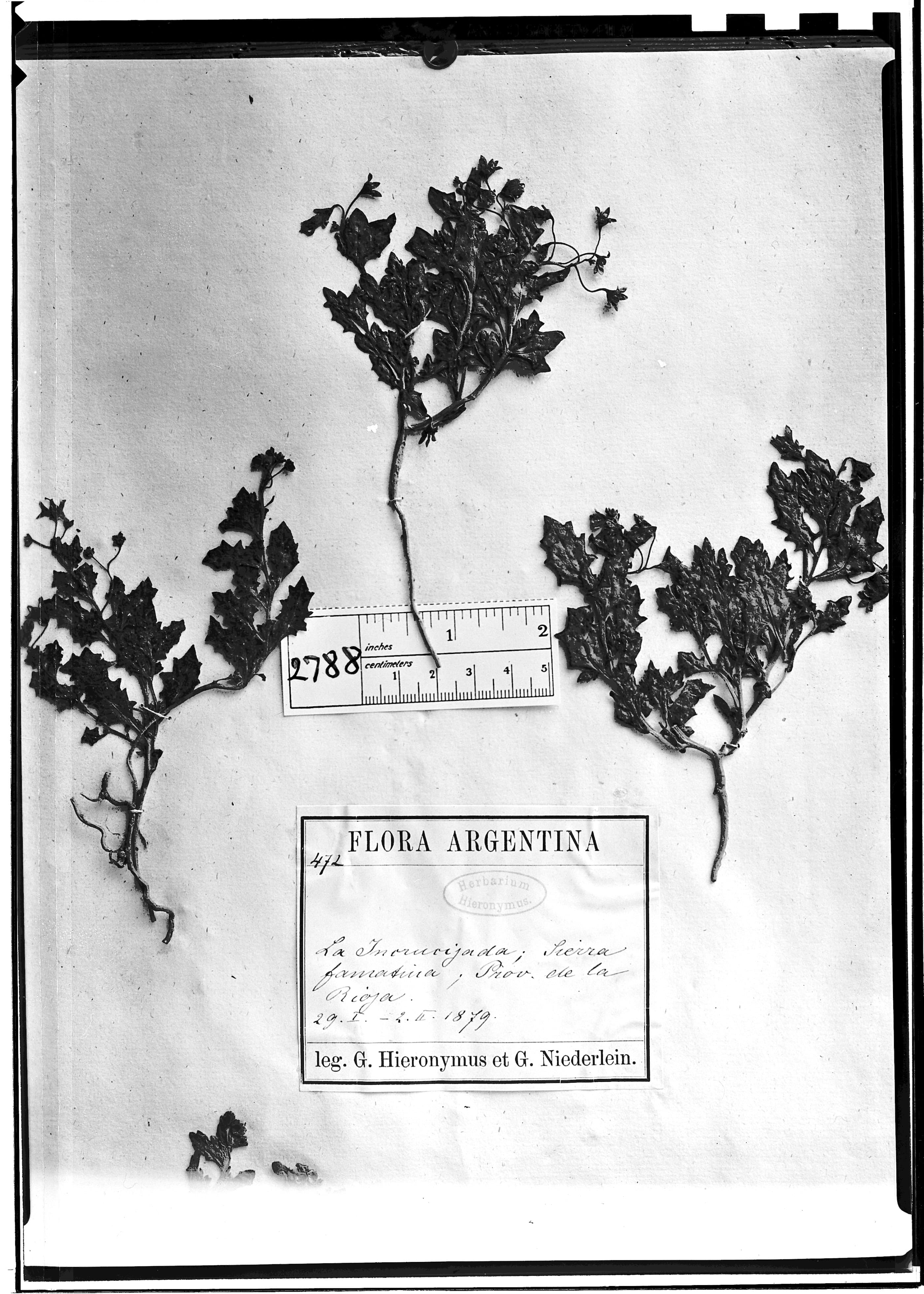
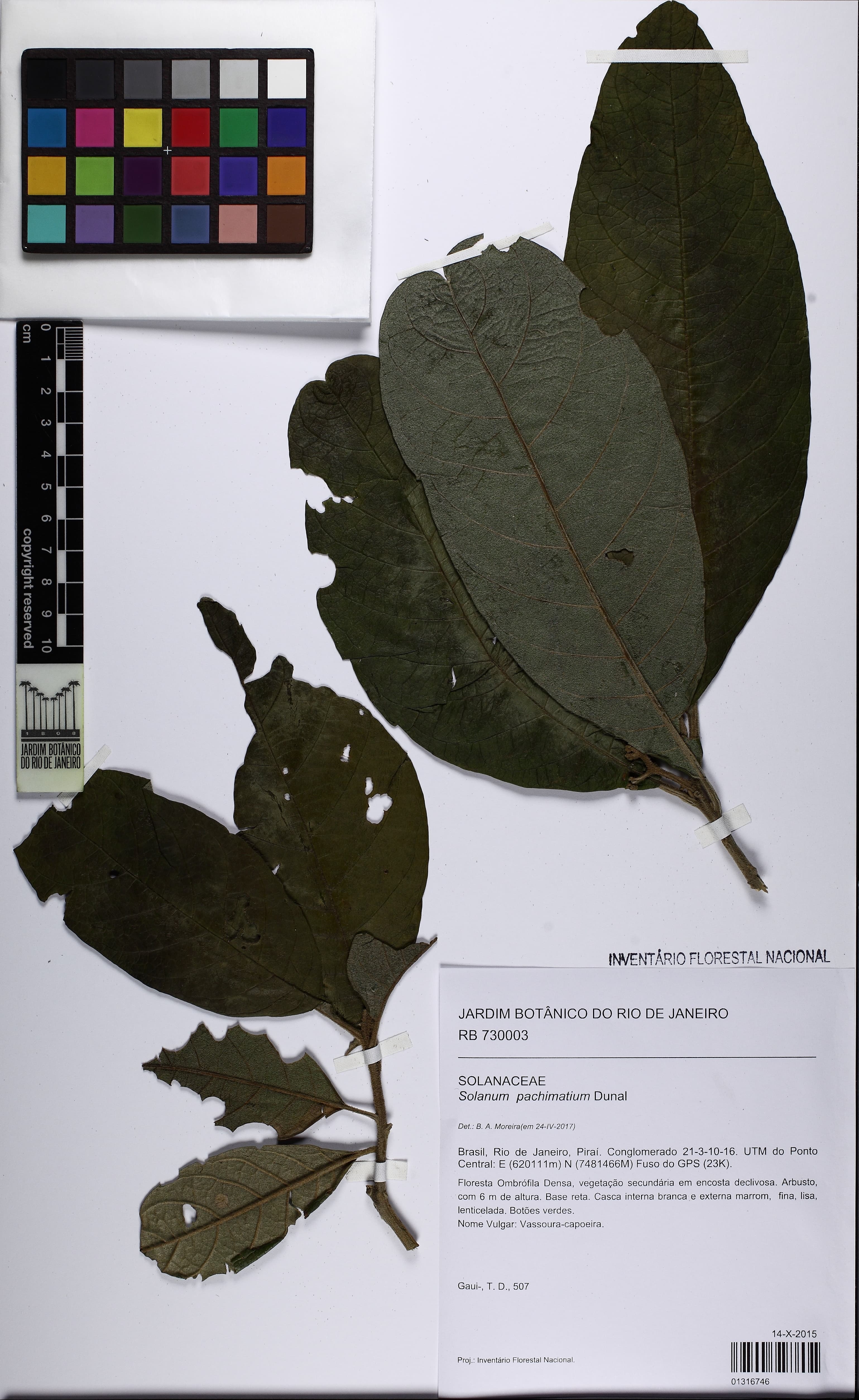
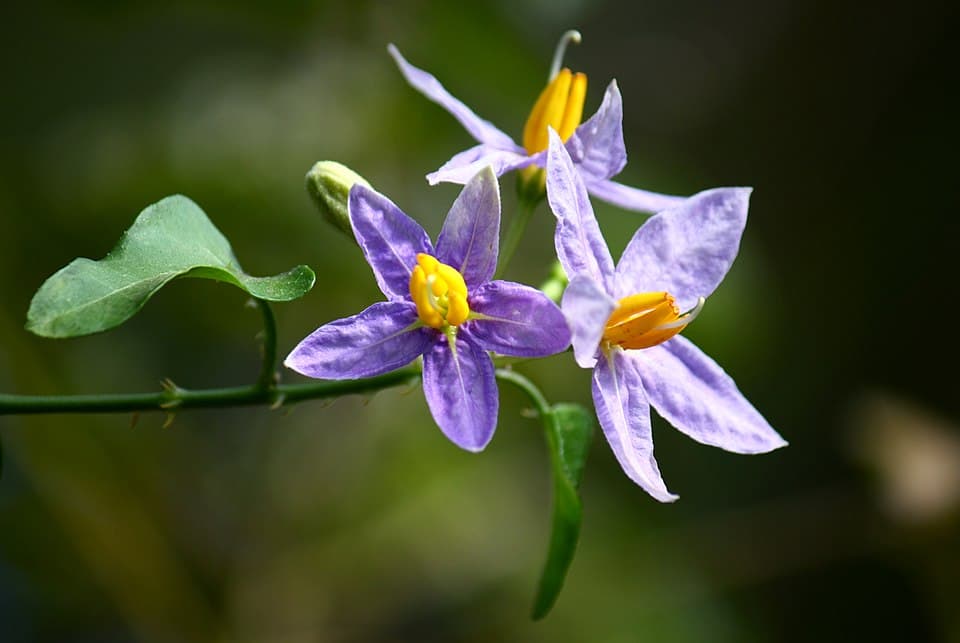
Serpentine Hill raintree
NameSerpentine Hill raintree
Scientific NameCascabela thevetia
Common NamesYellow Oleander, Lucky Nut Tree, Trumpet Flower, Be-still Tree, Serpentine Hill raintree
Plant FamilyApocynaceae
Natural HabitatNative to tropical America, often found in disturbed areas, roadsides, and cultivated as an ornamental in tropical and subtropical regions worldwide. It tolerates a range of soils but prefers well-drained conditions.
Parts Usedleaf,bark,seed,fruit
Medicinal Actionsanti-inflammatory, antimicrobial, antioxidant
Traditional UsesDespite its extreme toxicity, various parts of Cascabela thevetia have been used in traditional medicine, often externally or in highly diluted forms, for skin diseases, fevers, purgative effects, and as a cardiotonic. The seeds have also been used as an abortifacient and insecticide. Extreme caution is always advised due to high toxicity.
Active ConstituentsCardiac glycosides, thevetin A, thevetin B, peruvoside, neriifolin, thevetoxin, flavonoids, triterpenes
Preparation Methodsdecoction, powder, poultice
Contraindications & WarningsAll parts of the plant are highly poisonous, especially the seeds. Ingestion can cause severe cardiac arrhythmias, nausea, vomiting, diarrhea, and death. Contraindicated in pregnancy, lactation, children, and individuals with heart conditions, and interacts dangerously with other cardiac medications.
Cultivation NotesGrows well in full sun to partial shade, in well-drained soil. Drought-tolerant once established. Propagated by seeds or cuttings. Requires warm climates and is sensitive to frost.
Raritycommon
Description
A small evergreen tree or large shrub, typically growing 2-6 meters tall, with slender branches and linear to lanceolate, glossy green leaves. It produces showy, fragrant, yellow or sometimes cream-colored, trumpet-shaped flowers that hang in clusters.