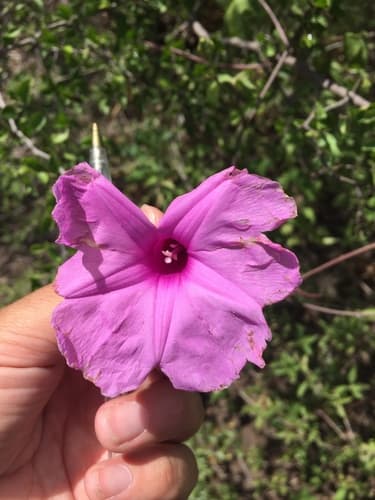
Scopolia caucasica
NameScopolia caucasica
Scientific NameScopolia caucasica
Common NamesCaucasian Scopolia, Scopolia
Plant FamilySolanaceae
Natural HabitatNative to the Caucasus region, it thrives in moist, shady deciduous forests, forest edges, and clearings, preferring rich, humus-laden soils.
Parts Usedroot,leaf
Medicinal Actionssedative, analgesic
Traditional UsesTraditionally, Scopolia caucasica was used with extreme caution as a powerful narcotic, sedative, and antispasmodic. It was historically employed for severe pain relief, to induce sleep, and to treat conditions involving smooth muscle spasms like asthma or gastrointestinal cramps, but its high toxicity made its use very dangerous.
Active Constituentsscopolamine, atropine, hyoscyamine
Preparation Methodstincture, powder
Contraindications & WarningsExtremely toxic and potentially lethal. Contraindicated in glaucoma, prostatic hypertrophy, heart conditions, pregnancy, breastfeeding, and in children. Can cause severe anticholinergic syndrome including dry mouth, blurred vision, urinary retention, tachycardia, hallucinations, delirium, coma, and death. Interacts dangerously with other anticholinergic drugs, sedatives, and alcohol.
Cultivation NotesPrefers moist, well-drained, humus-rich soil in partial to full shade, mimicking its natural woodland habitat. Propagated by seed or division of its rhizomes.
Rarityuncommon
Description
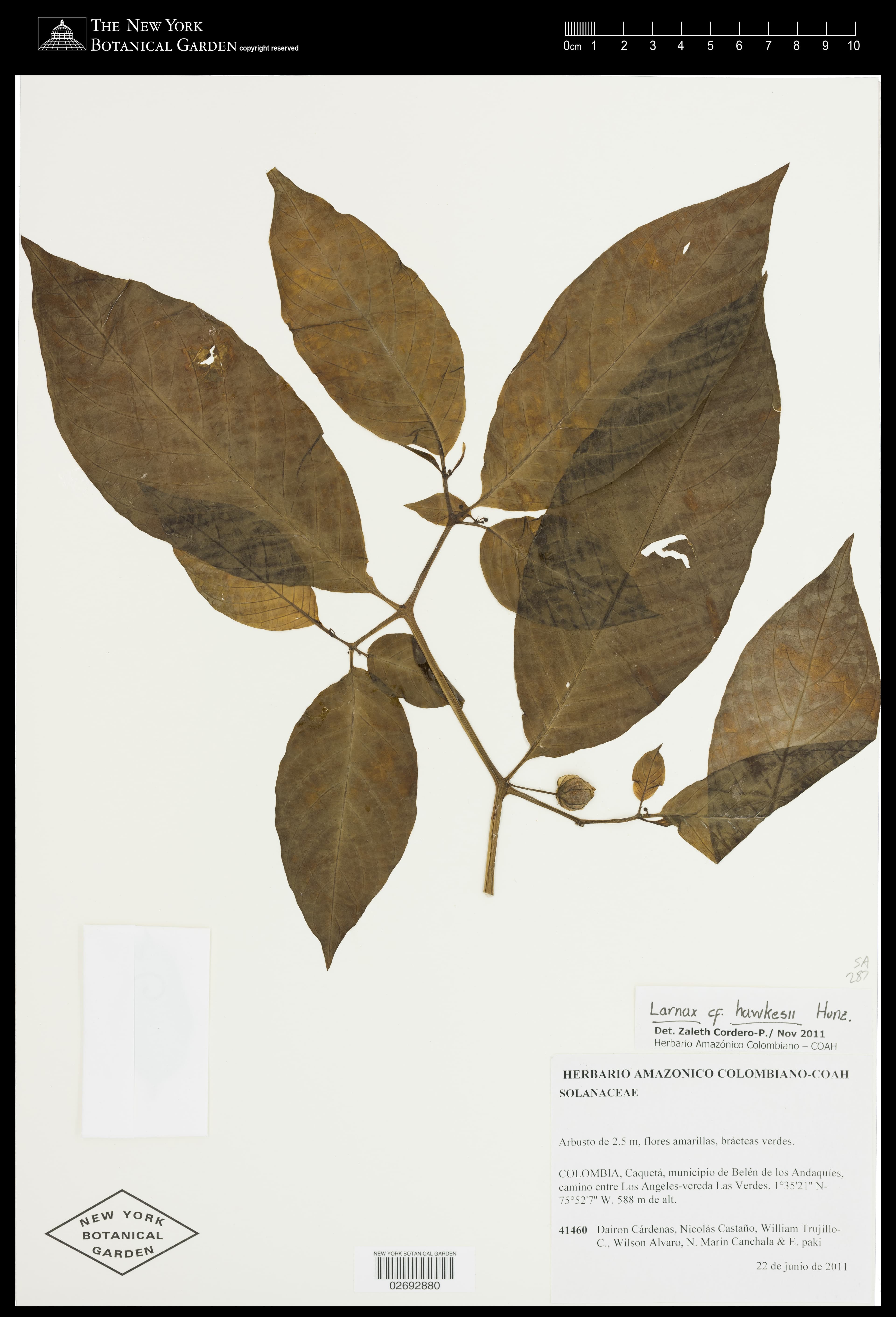
Scopolia caucasica is a perennial herb characterized by its thick rhizome, broad green leaves, and distinctive nodding, bell-shaped flowers that are typically dark purple or maroon. It is a highly toxic plant known for its potent tropane alkaloids.