Scindus Bindweed
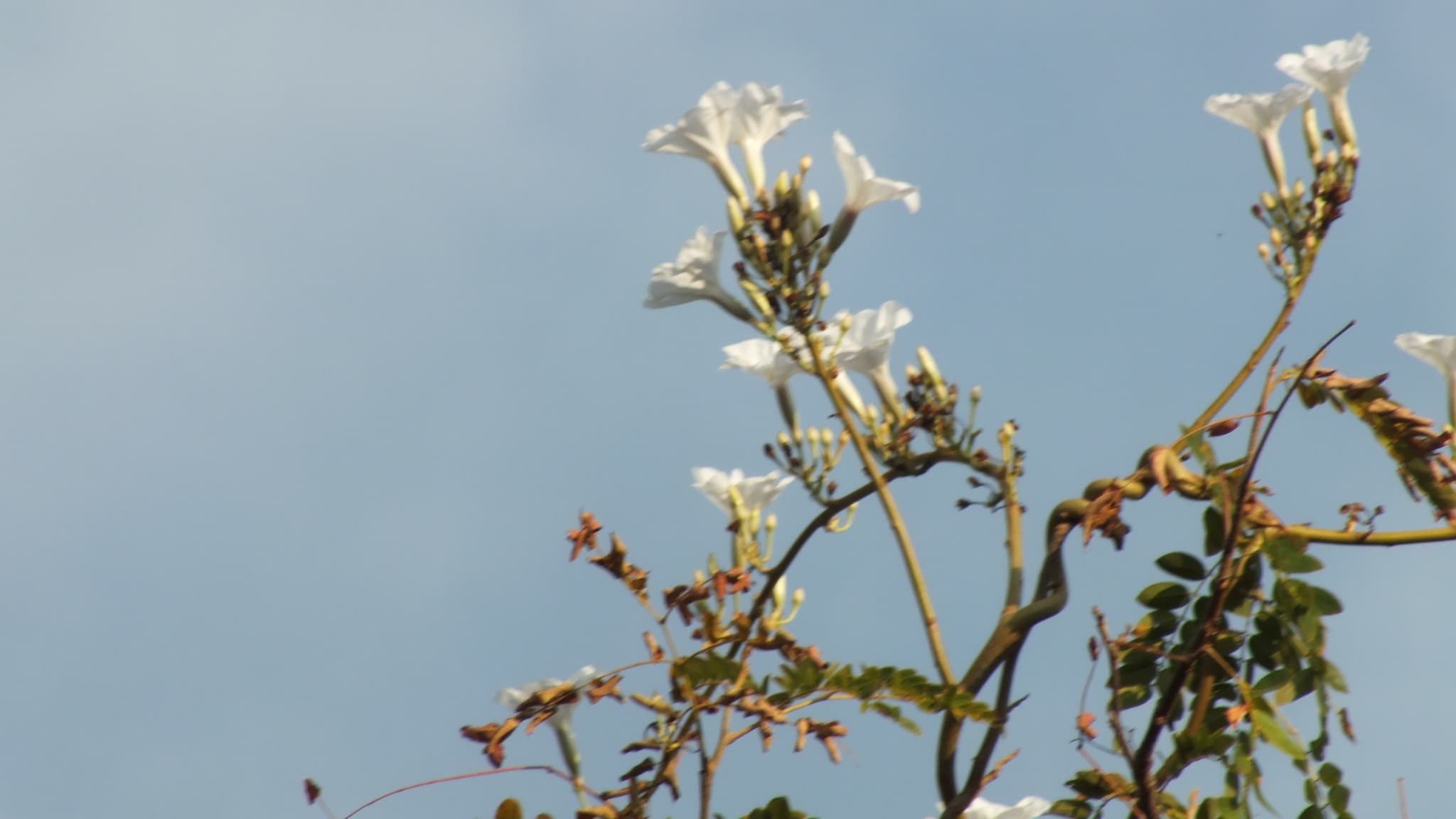
Image: La Rata Mutante (cc-by-nc)
NameScindus Bindweed
Scientific NameConvolvulus scindicus
Common NamesScindus Bindweed, Sindh Bindweed
Plant FamilyConvolvulaceae
Natural HabitatNative to arid and semi-arid regions of the Middle East and South Asia, thriving in sandy or rocky soils, deserts, and steppes.
Parts Usedwhole_plant,leaf,root
Medicinal Actionsantioxidant, antimicrobial, diuretic
Traditional UsesTraditionally, some *Convolvulus* species, including *C. scindicus* in folk medicine, have been used for their purgative properties to treat constipation and other digestive issues. It has also been applied topically for certain skin conditions.
Active Constituentsresin glycosides, flavonoids
Preparation Methodsinfusion, decoction, powder
Contraindications & WarningsDue to potential strong purgative effects, it should be avoided by pregnant or nursing women, children, and individuals with intestinal obstruction, inflammatory bowel disease, or severe abdominal pain. May cause electrolyte imbalance with prolonged use.
Cultivation NotesPrefers full sun and well-drained, sandy or rocky soils. It is drought-tolerant and can be grown from seed in warm climates.
Raritycommon
Description
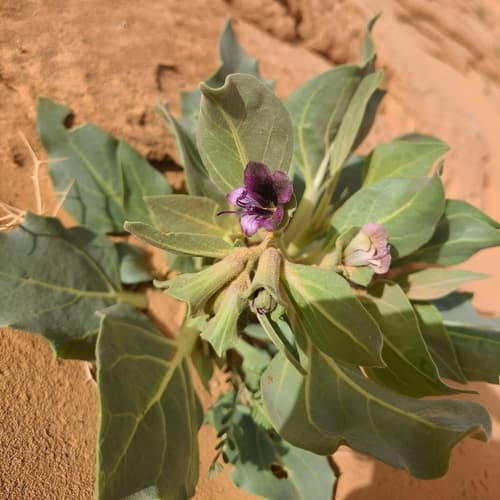
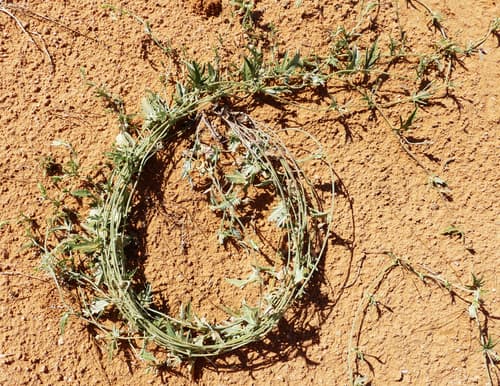
A perennial herbaceous plant, often prostrate or ascending, characterized by its linear to lanceolate leaves and clusters of white to pale pink, funnel-shaped flowers. It typically grows as a sprawling vine in arid environments.