glowing nightshade
Nameglowing nightshade
Scientific NameSolanum americanum
Common NamesAmerican Black Nightshade, Glossy Nightshade, Small-flowered Nightshade, Black Nightshade, Glowing Nightshade
Plant FamilySolanaceae
Natural HabitatDisturbed areas, fields, gardens, roadsides, and open woodlands in tropical to temperate regions worldwide.
Parts Usedleaf,whole_plant
Medicinal Actionsanti-inflammatory, antimicrobial, antioxidant, analgesic, demulcent
Traditional UsesTraditionally, the leaves and young shoots have been used externally as poultices for skin conditions, boils, and wounds due to their anti-inflammatory and antimicrobial properties. Internally, ripe berries are consumed in some cultures, but unripe berries and other parts are generally considered toxic. Some traditional uses mention it for fever and pain, but this is highly risky due to toxicity.
Active ConstituentsSolanine, Solamargine, Solasonine, Saponins, Flavonoids, Phenolic compounds
Preparation Methodspoultice, infusion, decoction
Contraindications & WarningsAll parts of the plant, especially unripe berries, are toxic if ingested in large quantities. Symptoms of poisoning include nausea, vomiting, diarrhea, abdominal pain, drowsiness, confusion, and paralysis. Contraindicated in pregnancy, breastfeeding, children, and individuals with liver or kidney conditions. Use with extreme caution and only under expert guidance for external applications; internal use is generally not recommended due to toxicity.
Cultivation NotesGrows easily from seed in disturbed soils. Prefers full sun to partial shade and moist, well-drained soil. Can become a widespread weed in many regions.
Raritycommon
Description
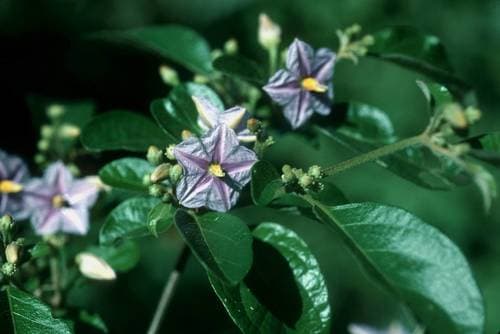
A herbaceous annual or short-lived perennial, typically growing up to 1 meter tall, with ovate to lanceolate leaves and small white, star-shaped flowers featuring prominent yellow anthers. It produces small, spherical, green berries that ripen to black.