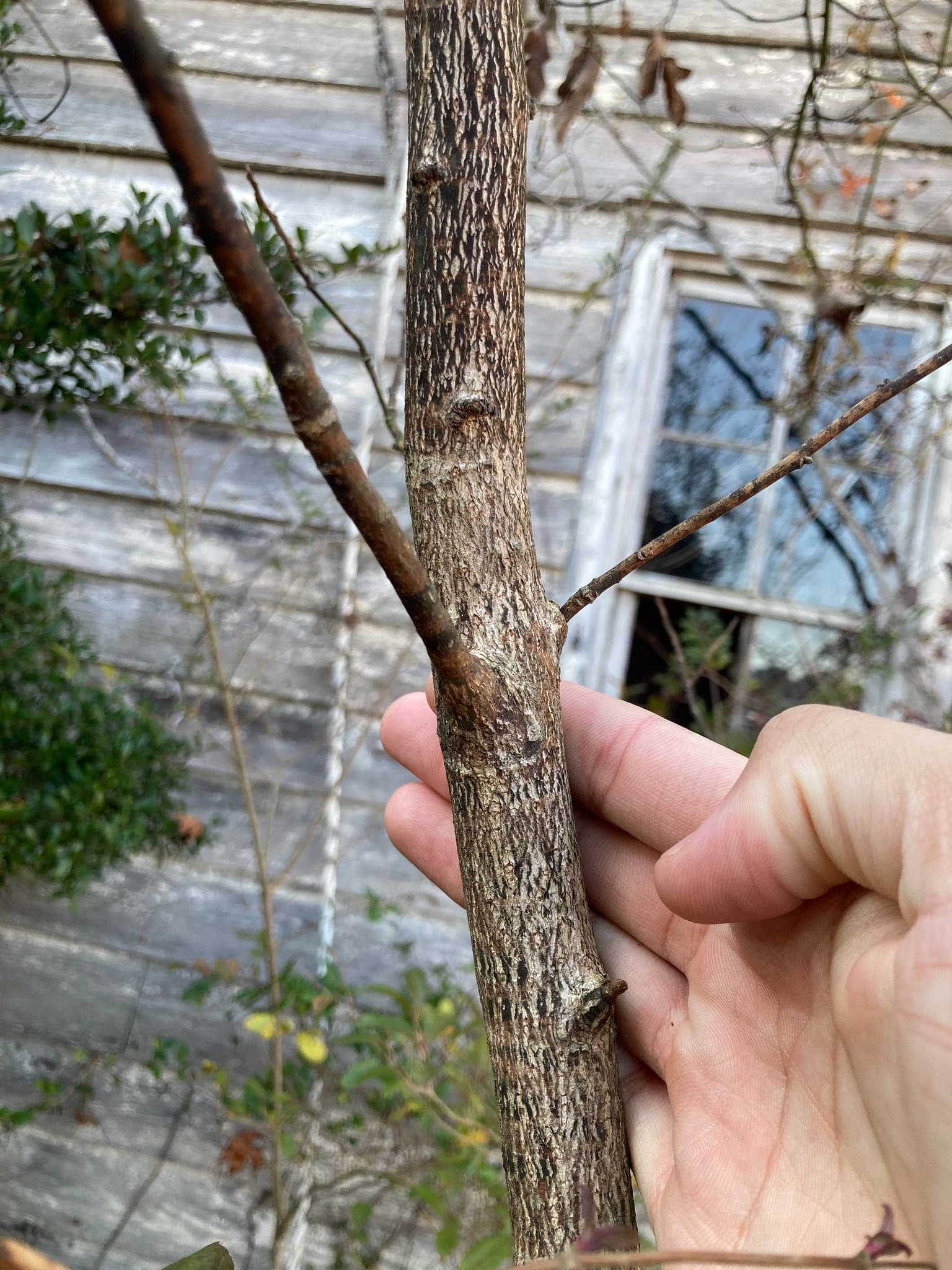
Sassafras
Image: elijahfreeman19 (cc-by-nc)
NameSassafras
Scientific NameSassafras albidum
Common NamesSassafras, White Sassafras, Red Sassafras, Common Sassafras
Plant FamilyLauraceae
Natural HabitatNative to eastern North America, Sassafras albidum thrives in woodlands, forest edges, old fields, and disturbed areas, preferring well-drained, acidic to neutral soils.
Parts Usedroot,bark,leaf
Medicinal Actionscarminative, diuretic, anti-inflammatory, antimicrobial
Traditional UsesTraditionally, sassafras root bark was used to make a tea for 'thinning the blood,' treating colds, fevers, rheumatism, and skin eruptions. It was also valued as a diaphoretic, diuretic, and carminative. The dried and powdered leaves (filé powder) are used as a thickening agent in Creole cuisine, particularly for gumbo.
Active ConstituentsSafrole, tannins, mucilage, volatile oils
Preparation Methodsinfusion, decoction, powder, essential oil
Contraindications & WarningsSafrole, a primary constituent of sassafras oil and present in the bark, is a known carcinogen and hepatotoxin, leading to restrictions on its use in food and medicine. Internal use, especially of the essential oil or concentrated extracts, is generally discouraged. It should not be used by pregnant or nursing women, or individuals with liver disease. Avoid prolonged or high-dose internal use.
Cultivation NotesSassafras grows best in full sun to partial shade in well-drained, acidic to neutral soils. It is relatively easy to grow from seed or root cuttings and can tolerate a range of conditions once established, often forming clonal thickets.
Raritycommon
Description
Sassafras albidum is a deciduous tree native to eastern North America, recognized by its distinctive aromatic bark, twigs, and leaves, which can be unlobed, two-lobed, or three-lobed on the same plant. It typically grows as a medium-sized tree, often forming thickets.