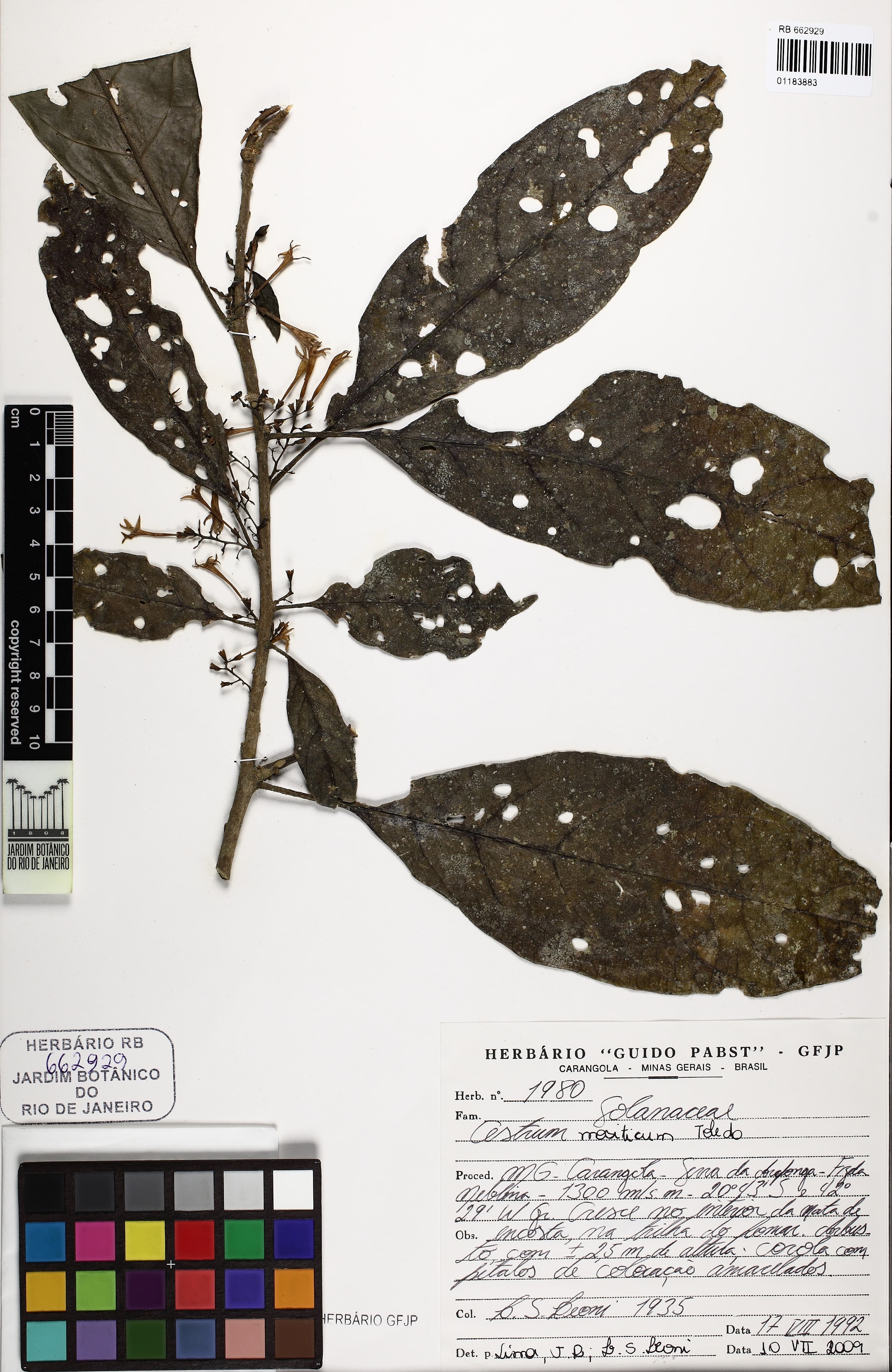
Cestrum capsulare
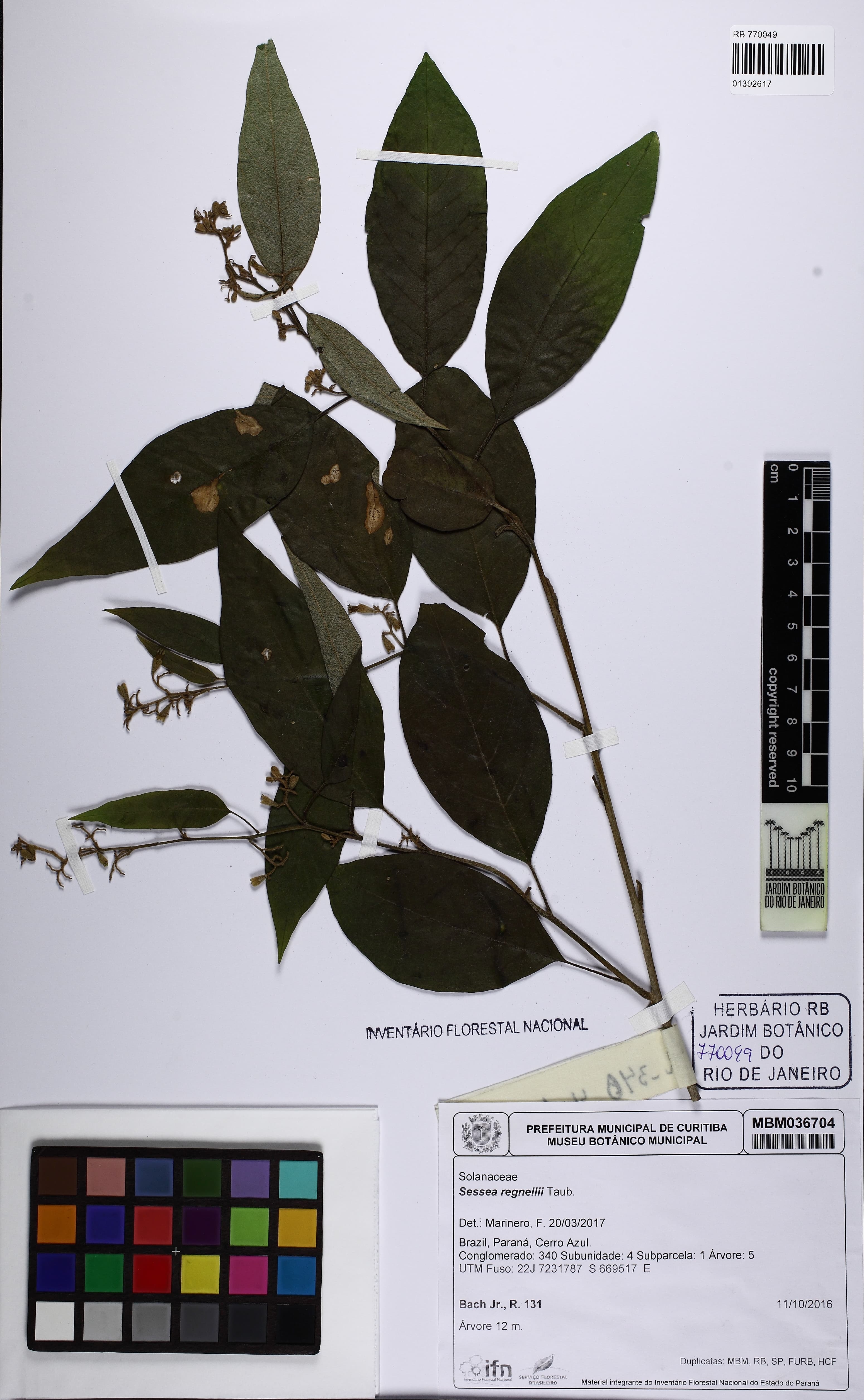
Image: R.Bach Jr. (cc-by)
NameCestrum capsulare
Scientific NameCestrum capsulare
Plant FamilySolanaceae
Natural HabitatNative to South America, particularly Brazil, Cestrum capsulare thrives in tropical and subtropical climates. It is commonly found in disturbed areas, forest margins, and open woodlands.
Parts Usedwhole_plant
Traditional UsesDue to the general toxicity of the Cestrum genus, Cestrum capsulare is not widely documented for safe traditional medicinal uses. While some Cestrum species have been explored for various properties, internal use of C. capsulare is highly discouraged due to the presence of toxic compounds.
Active Constituentssteroidal saponins, alkaloids, glycosides
Contraindications & WarningsAll parts of Cestrum capsulare are considered toxic, especially the fruits. Ingestion can lead to severe gastrointestinal upset, neurological symptoms, and potentially fatal outcomes. It is strictly contraindicated for internal consumption.
Cultivation NotesCestrum capsulare prefers well-drained soil and thrives in full sun to partial shade in warm, tropical to subtropical conditions. It can be propagated from seeds or stem cuttings.
Rarityuncommon
Description
Cestrum capsulare is a species of shrub or small tree belonging to the nightshade family. It typically features simple, alternate leaves and produces small, often inconspicuous flowers that develop into berry-like fruits.